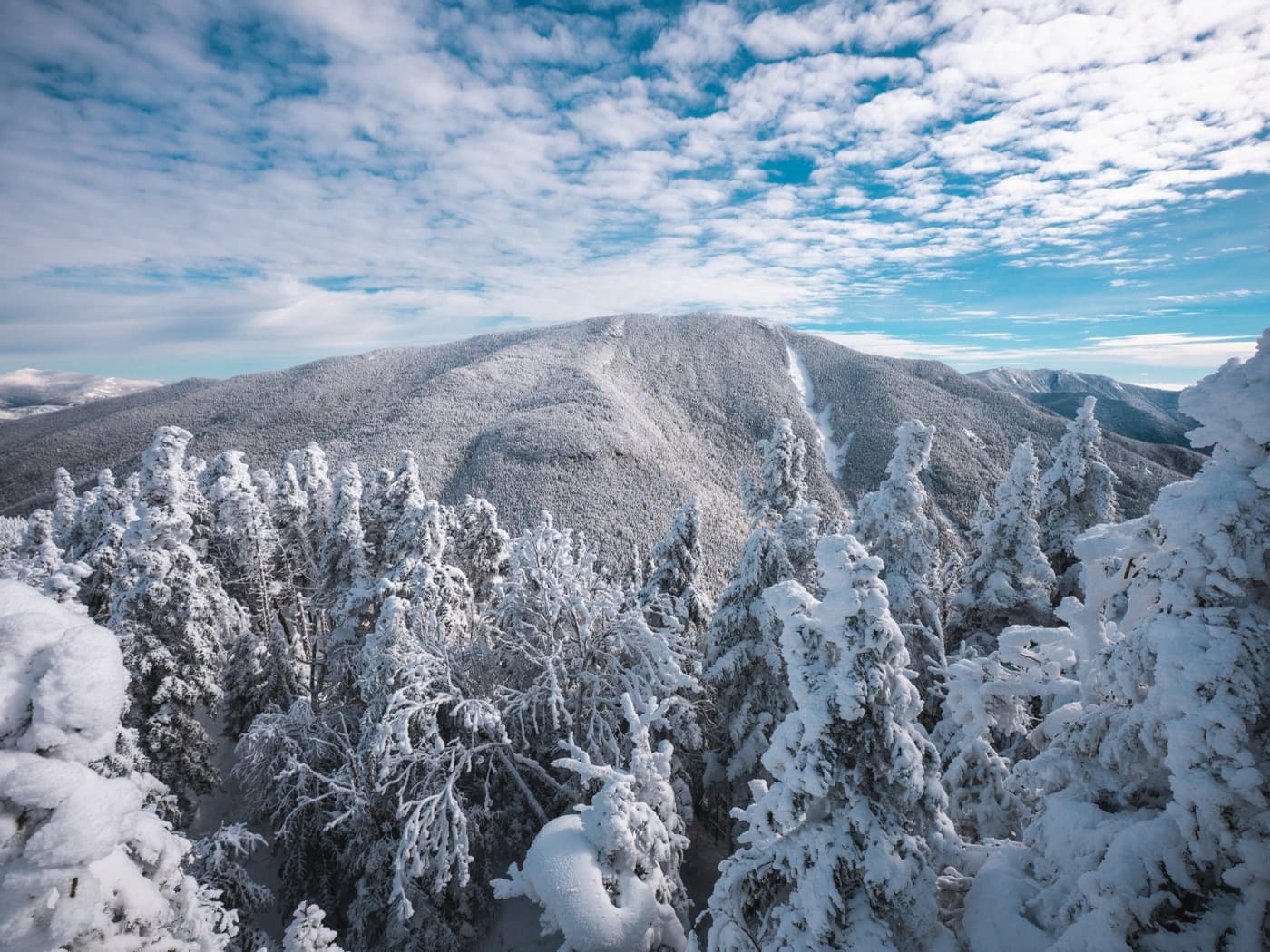
Adirondack forest and alpine ecology hero image

Field Guide

The Living Adirondacks

A hiker-focused natural history guide to Adirondack forests, birds, mammals, small life, and the fragile alpine plant communities that make the High Peaks feel unlike ordinary Northeast woods.

Living zones

A hike is a climb through habitats.

A compact habitat overview, from leaf litter and pond edges to dark spruce-fir forest and open alpine rock.

Northern hardwood forest image
1

Lower Forests

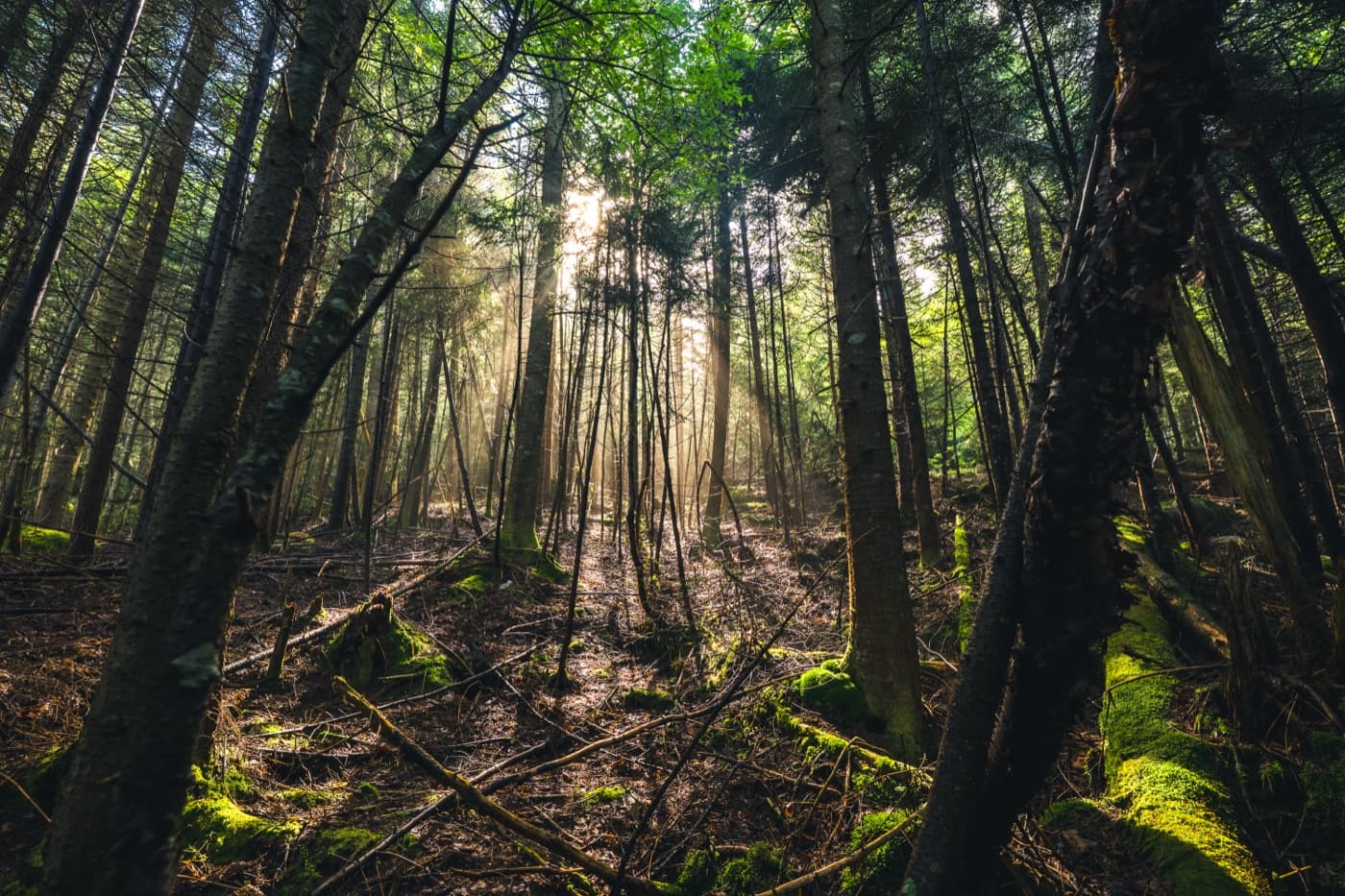
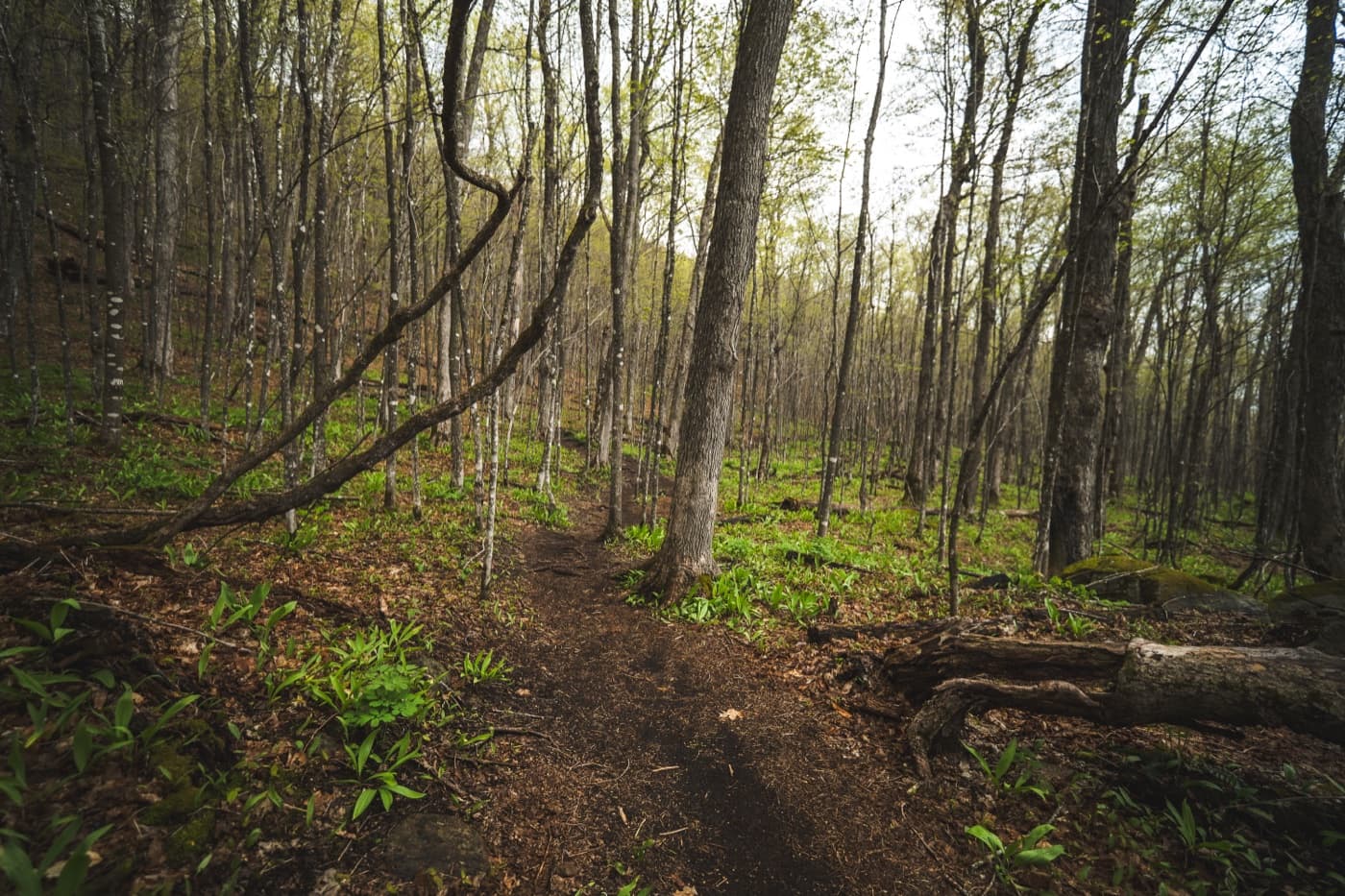
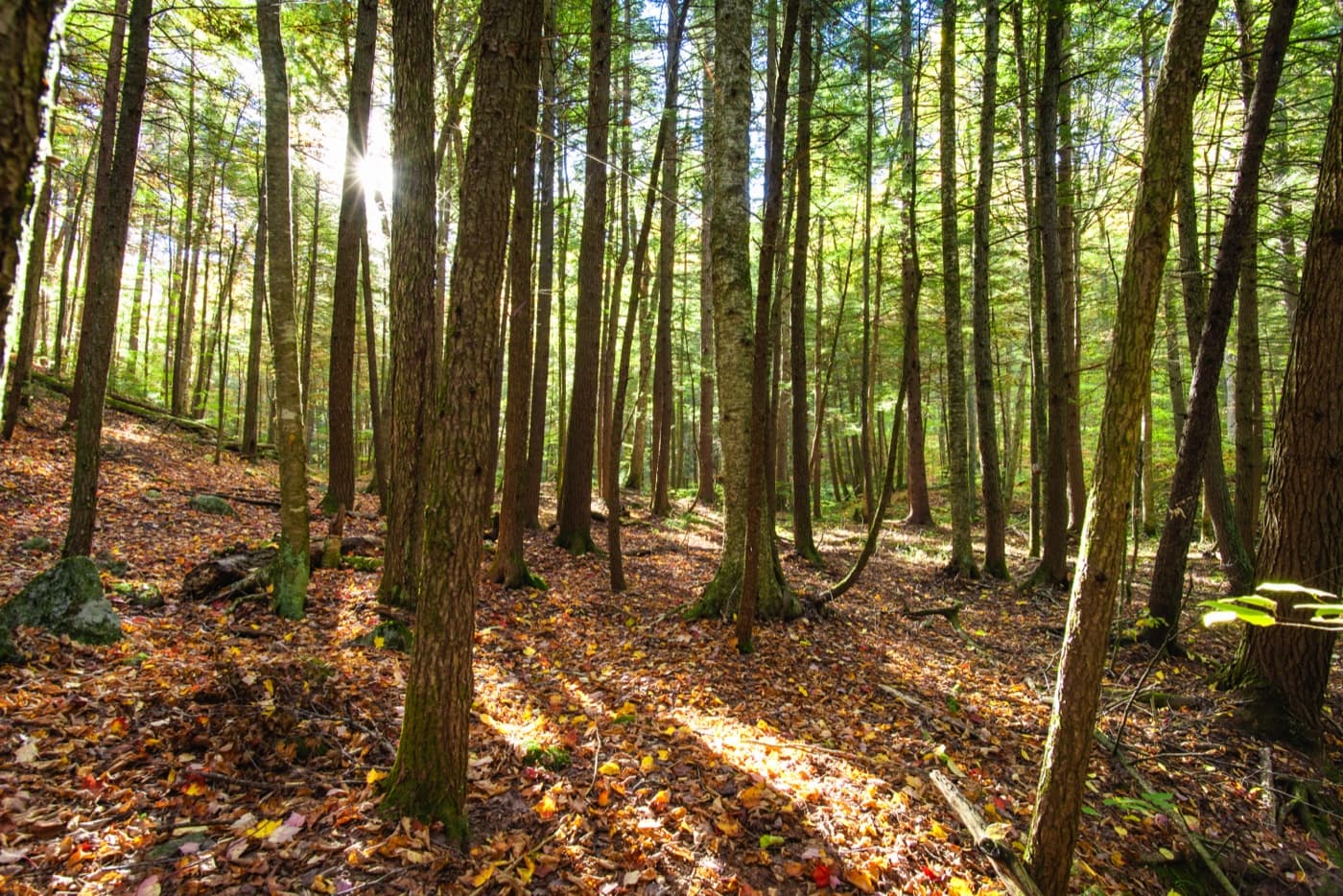
Northern hardwood forest

Most Adirondack hikes begin in a broad hardwood layer where sugar maple, yellow birch, American beech, fern beds, spring wildflowers, and rich leaf litter shape the first miles of trail.

Sugar mapleYellow birchAmerican beechTrilliumRed eft

This is the classic Adirondack forest most hikers recognize first.
Adirondack wetland and pond edge image
2

Water Edges

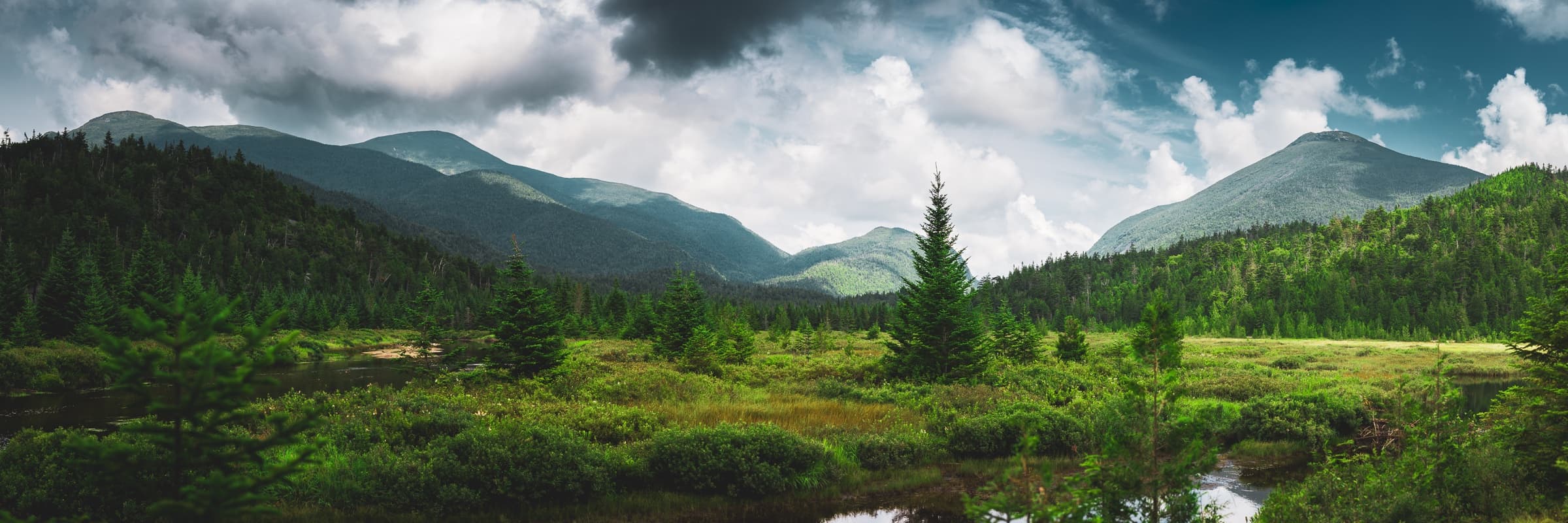
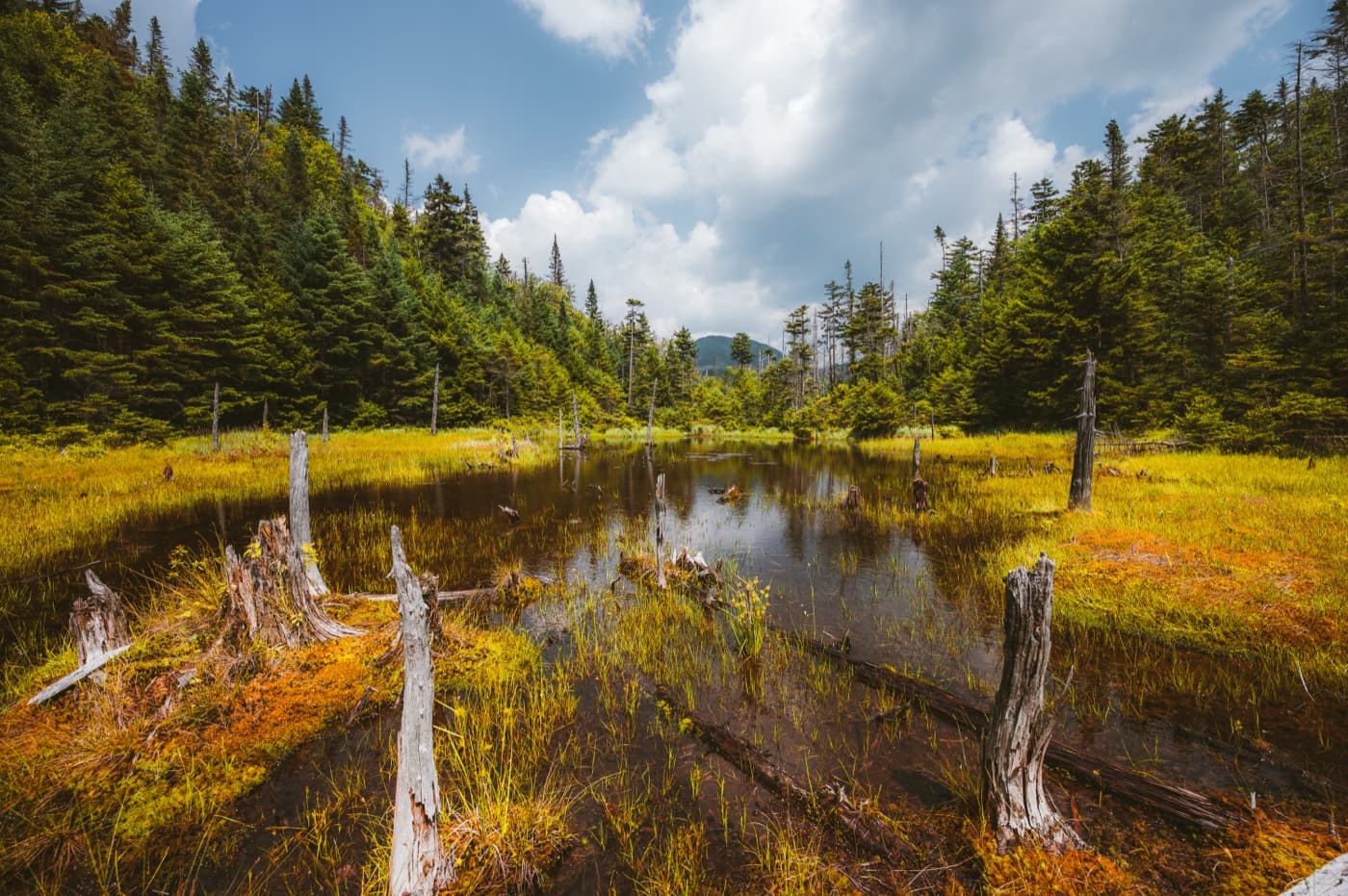
Wetlands, ponds, streams, and boggy margins

Pond edges, beaver flows, bog bridges, mossy drainages, and wet trail corridors create habitat for amphibians, insects, sedges, birds, and signs of larger mammals.

Beaver workDragonfliesSpring peepersSedgesMoose browse

A wet section of trail can be one of the most biologically active parts of the hike.

Dark Adirondack spruce fir forest image
3

Higher Forests

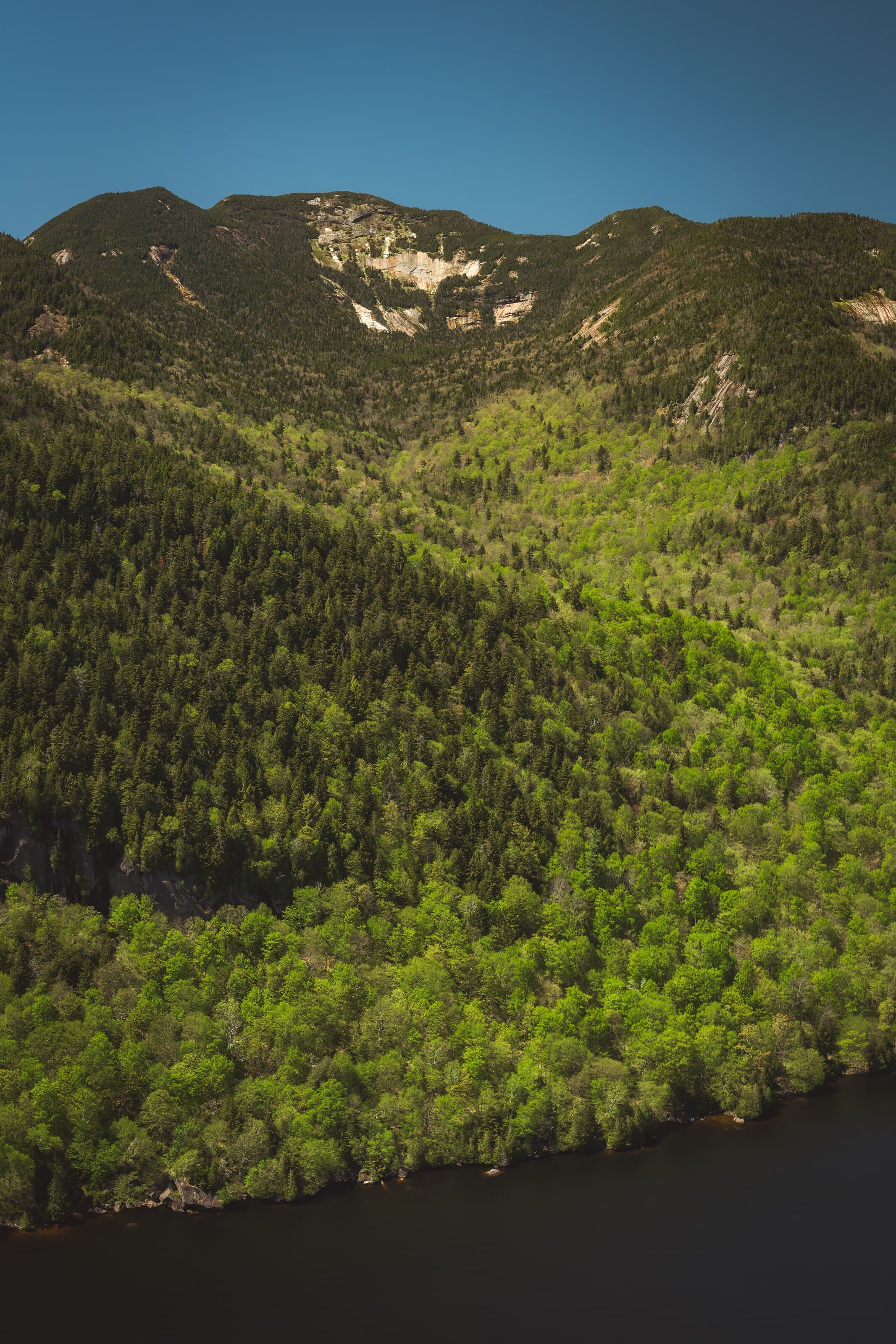
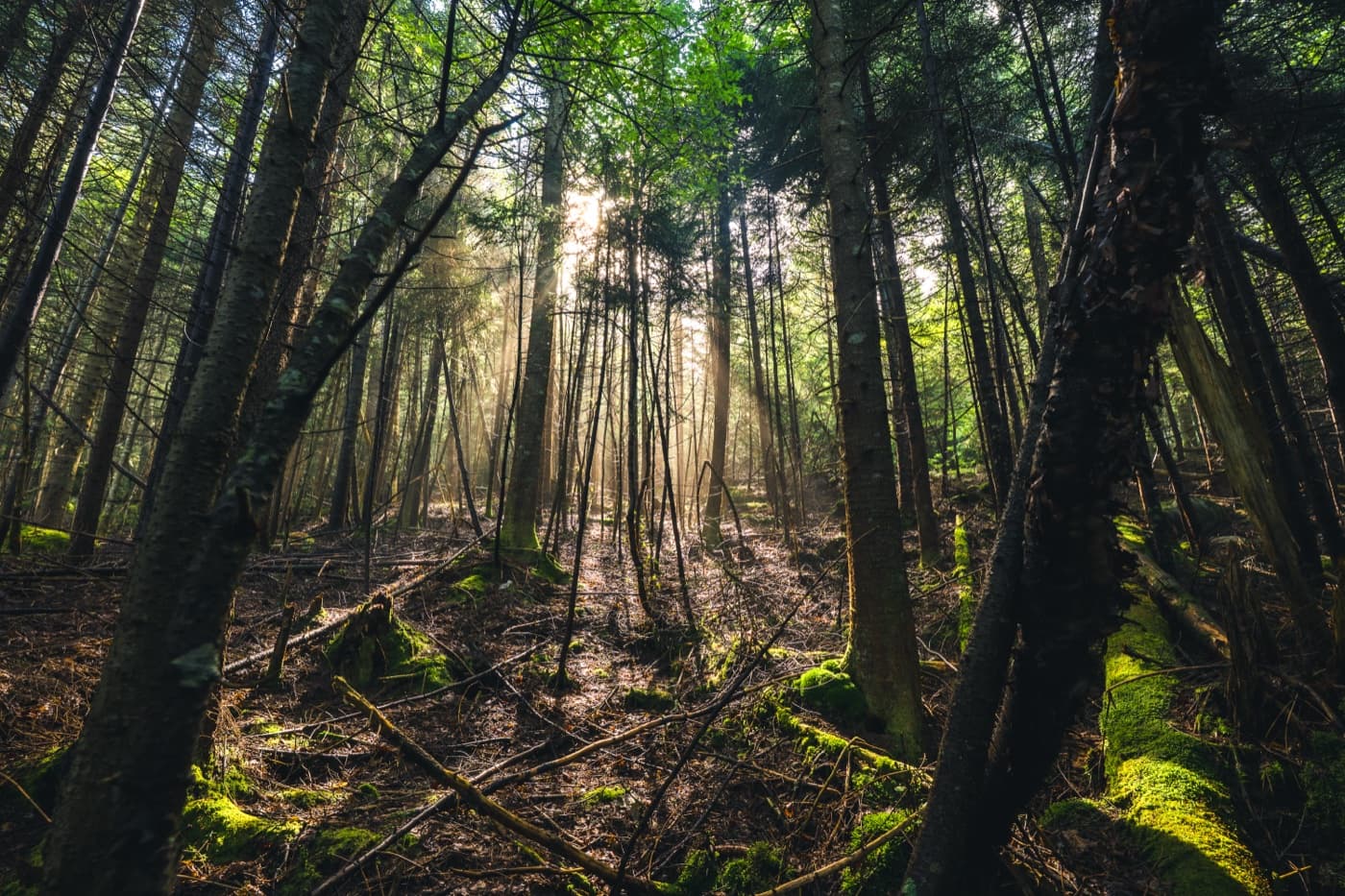
Spruce-fir boreal forest

As elevation rises, balsam fir and red spruce become more common, the air feels cooler, moss thickens, and northern species become part of the trail experience.

Balsam firRed spruceMoss carpetsBicknell's thrushAmerican marten

This is where the Adirondacks begin to feel distinctly northern.

Alpine vegetation image
4

Summits

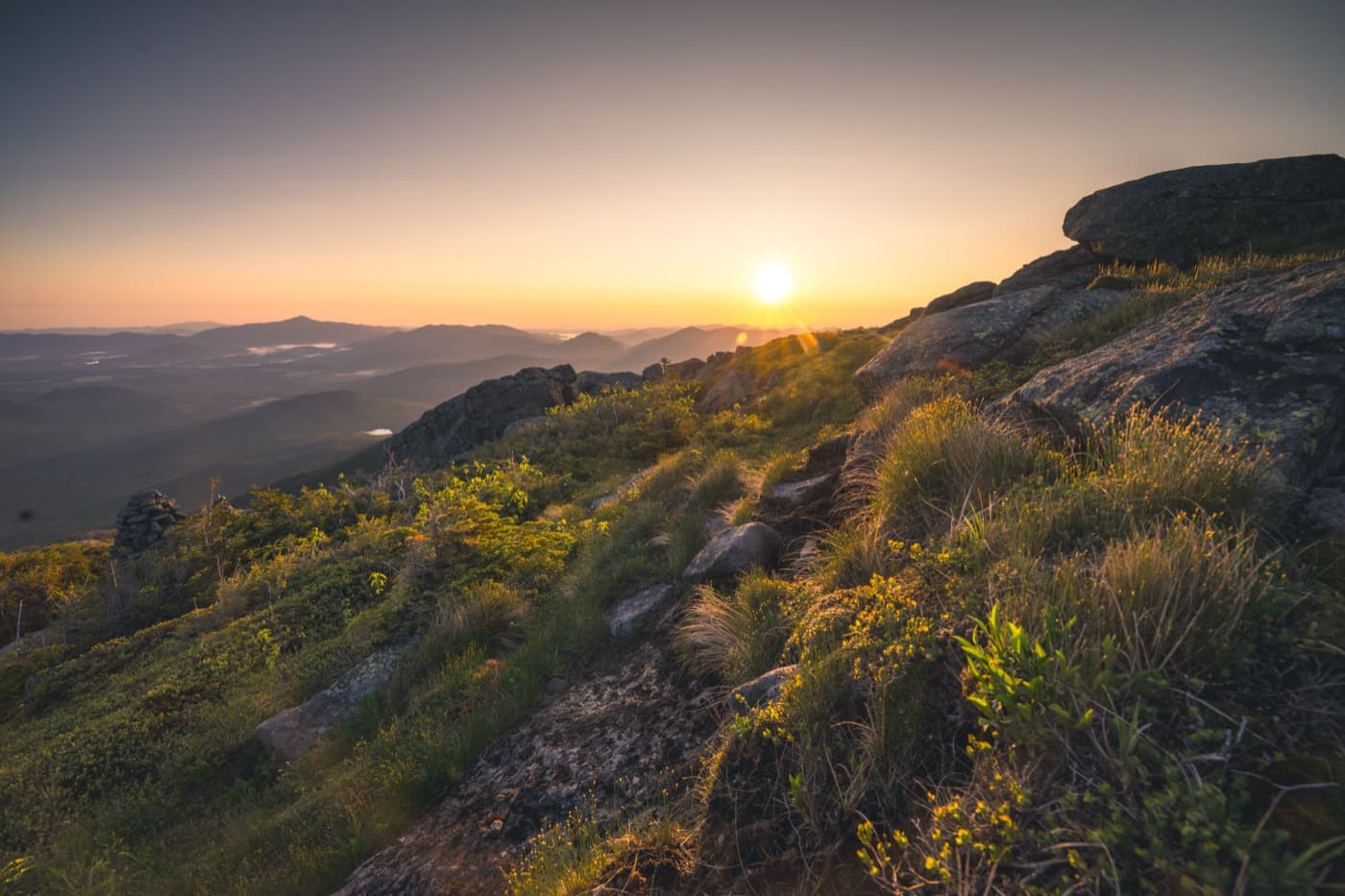
Alpine summit vegetation

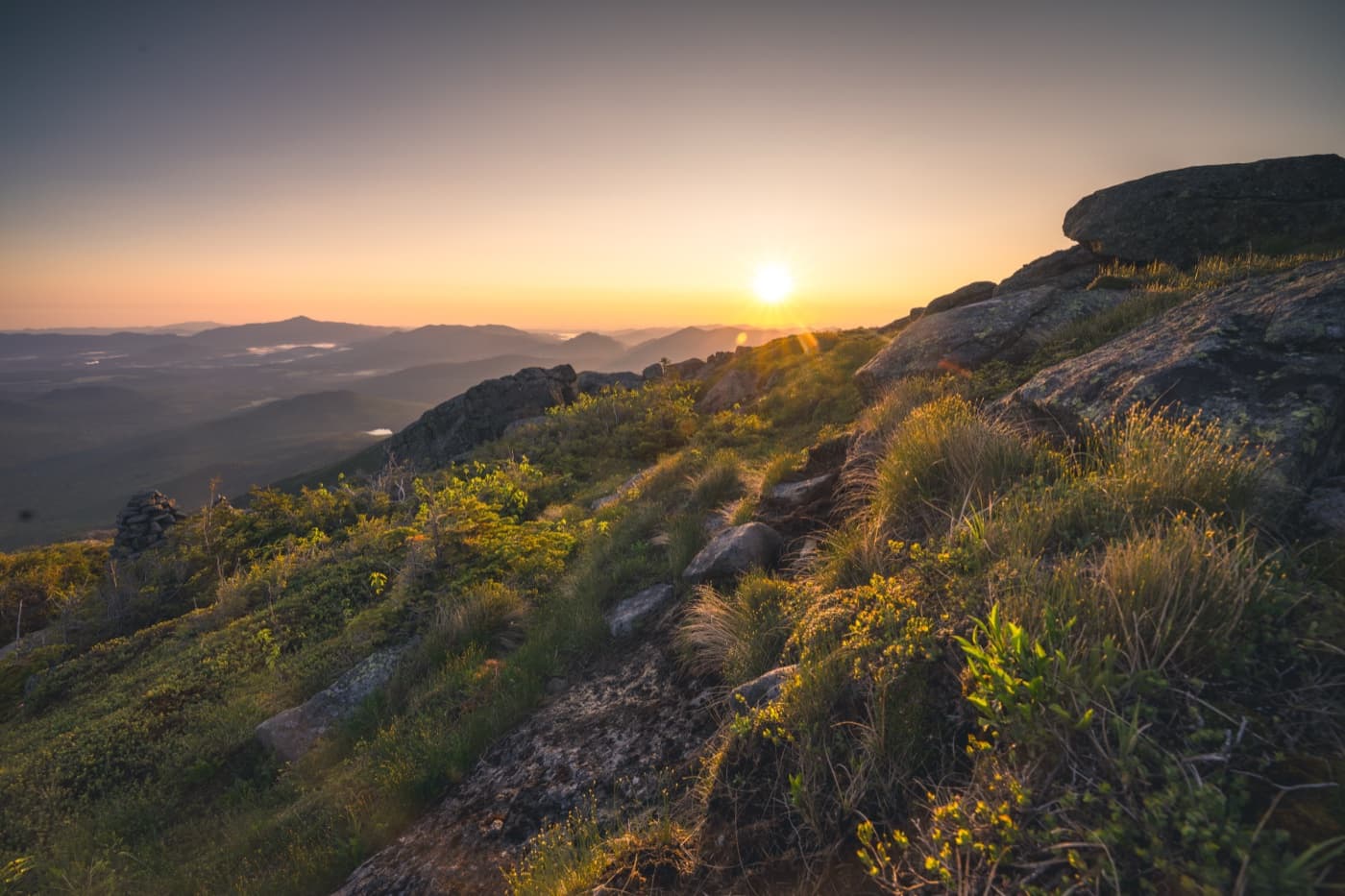
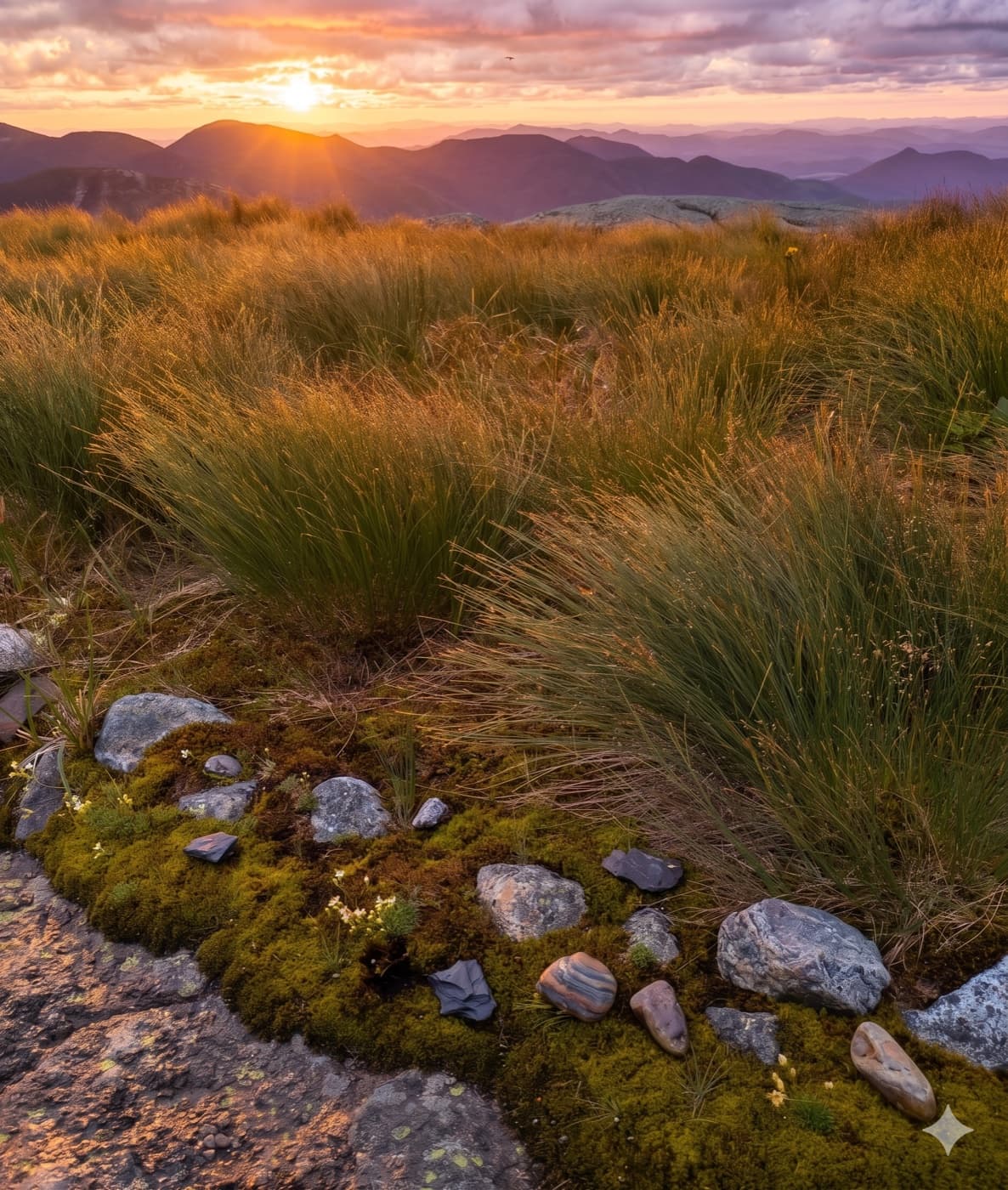
The highest Adirondack summits hold a rare alpine plant community adapted to wind, cold, thin soil, and a short growing season.

DiapensiaAlpine bilberryLapland rosebayBoott's rattlesnake-rootBigelow's sedge

This is one of the rarest and most fragile natural communities in the Park.

Vertical Adirondack habitat zones diagram image
Elevation

Highest
summits

(above 4,000 ft)

Alpine vegetation

4,000 ft

Krummholz / alpine
transition

3,000 ft

Spruce-fir / boreal
forest

2,000 ft

Northern hardwood
forest

Alpine vegetation deserves its own spotlight.

Above treeline, plants survive in thin soil, high wind, deep cold, and a short growing season. This section explains why the alpine zone needs careful travel and why staying on rock matters.

Alpine plant gallery

Swipe through some of the major alpine plants

A two-row moving gallery of representative High Peaks alpine plants. It pauses as soon as you drag, swipe, scroll, or tap the browse control.

Diapensia plant image

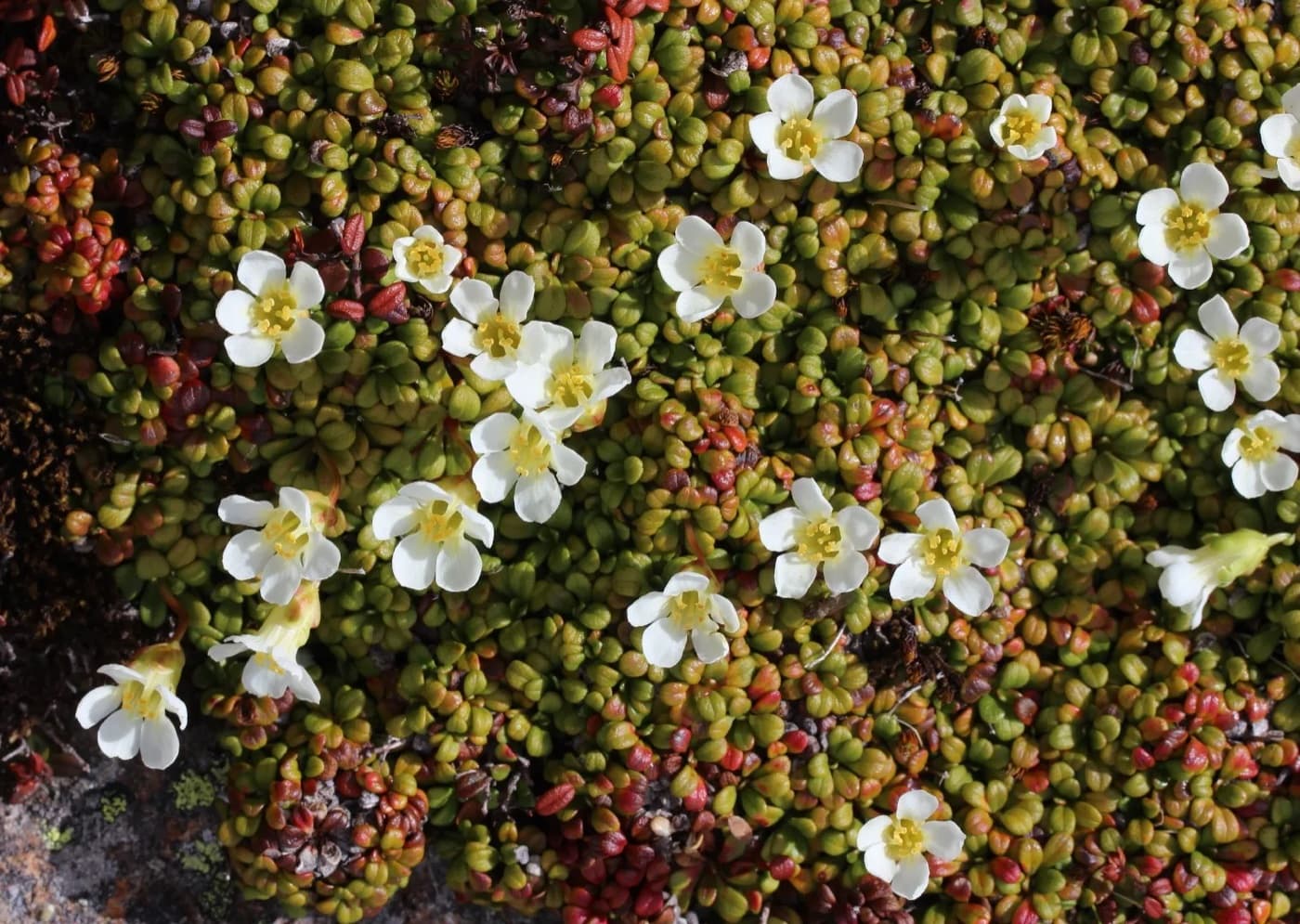
Diapensia

Diapensia lapponica

A signature Adirondack alpine plant that forms tight cushion-like mats on exposed summit rock and gravel.

Alpine bilberry plant image

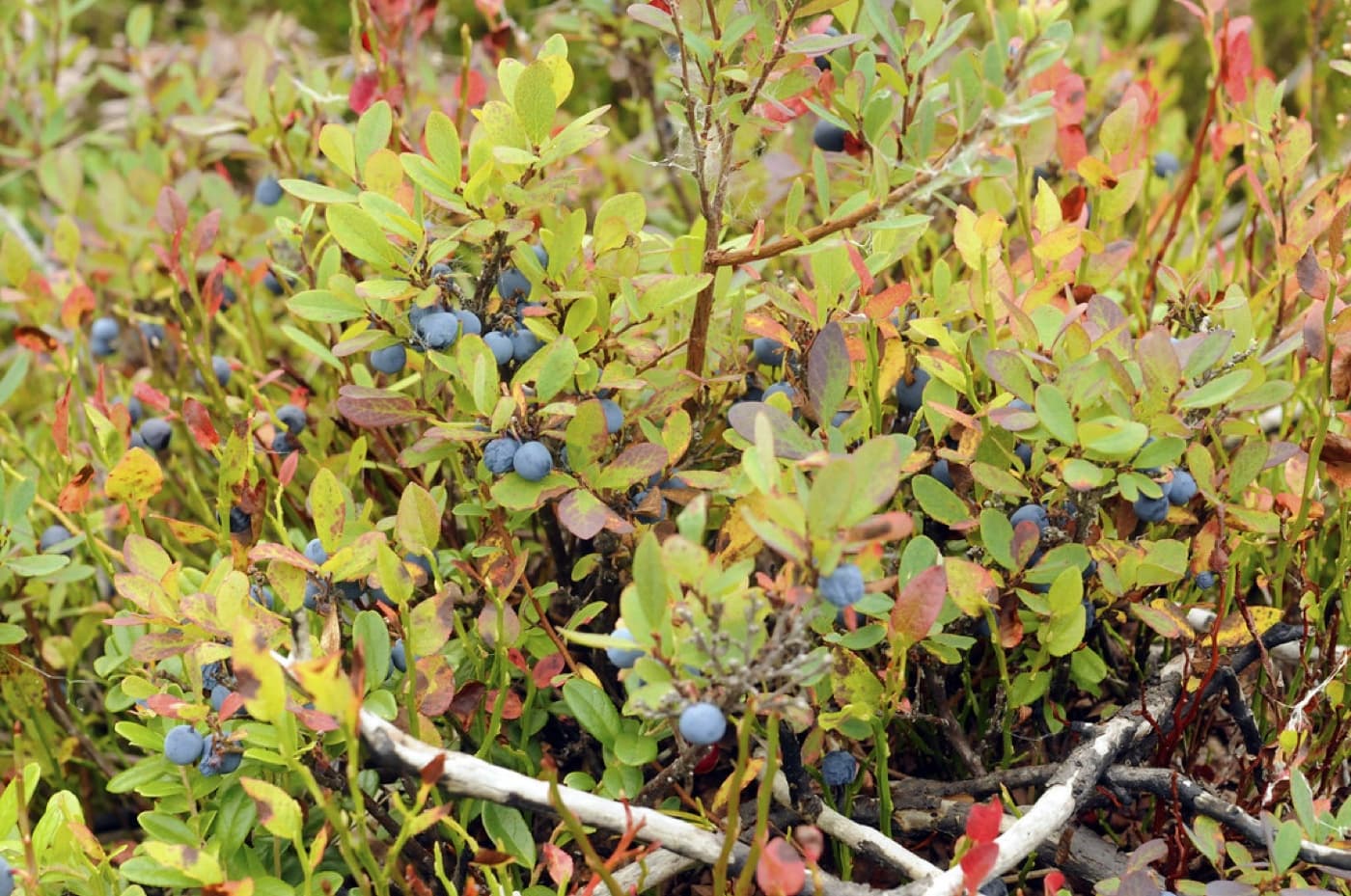
Alpine bilberry

Vaccinium uliginosum

A low shrub of alpine and subalpine communities, helping define the High Peaks summit vegetation.

Boott rattlesnake-root plant image

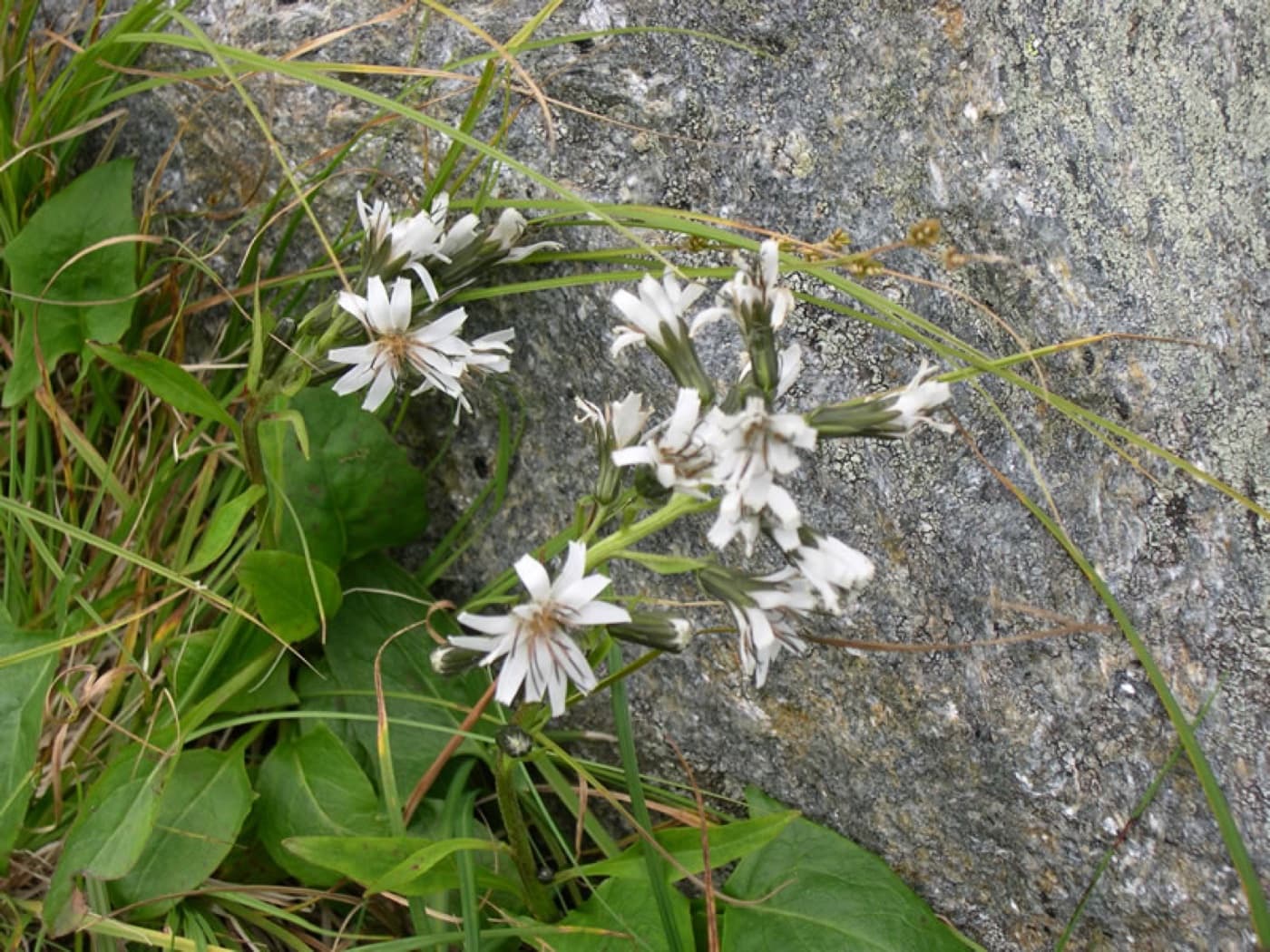
Boott's rattlesnake-root

Prenanthes boottii

A globally rare alpine wildflower found only in fragile high-elevation habitat in the Northeast.
Deers-hair club-sedge plant image

Deer's-hair club-sedge

Trichophorum cespitosum

A tough, tufted alpine sedge well adapted to thin soils, harsh wind, and cold open conditions.

Lapland rosebay plant image

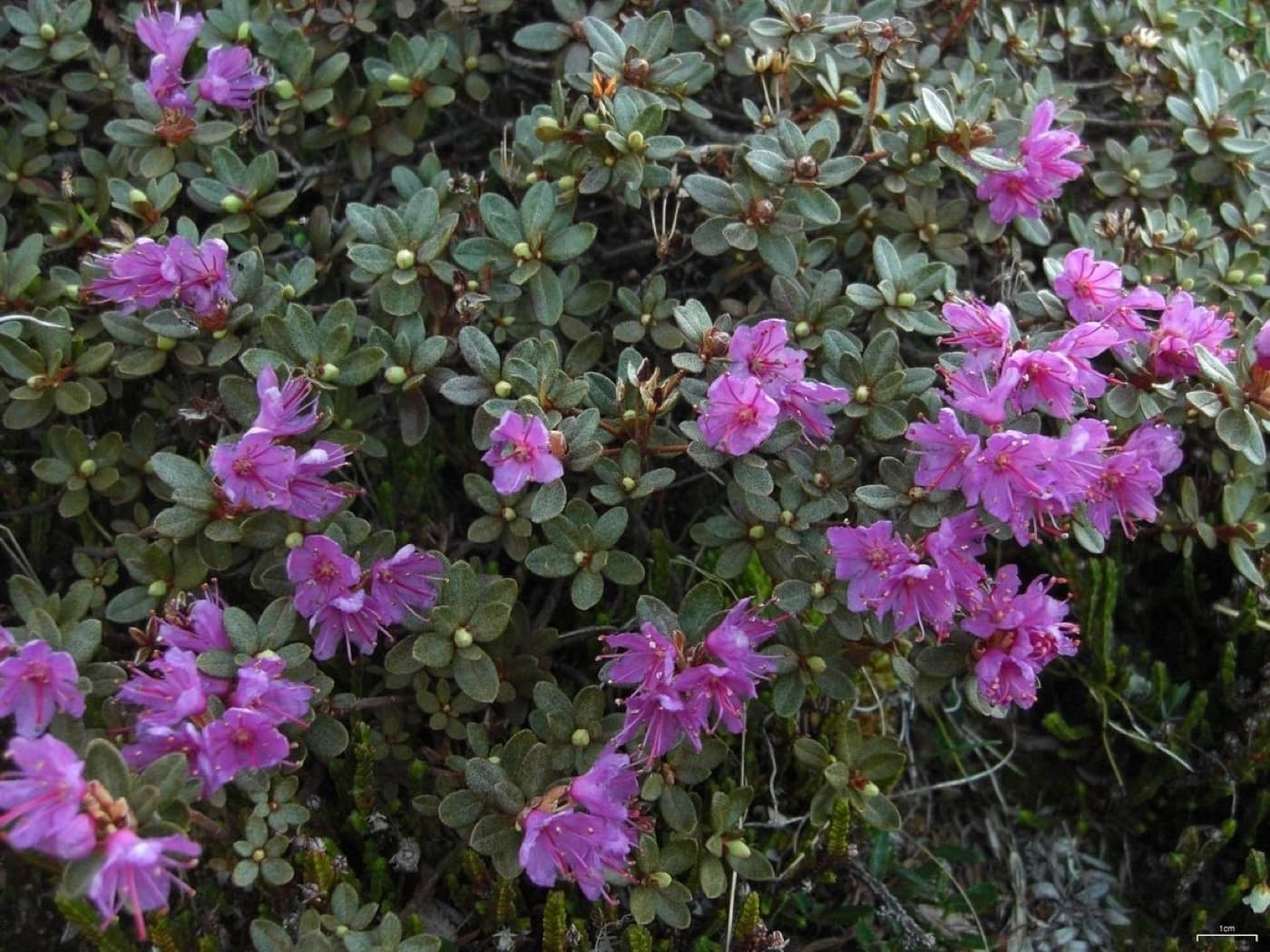
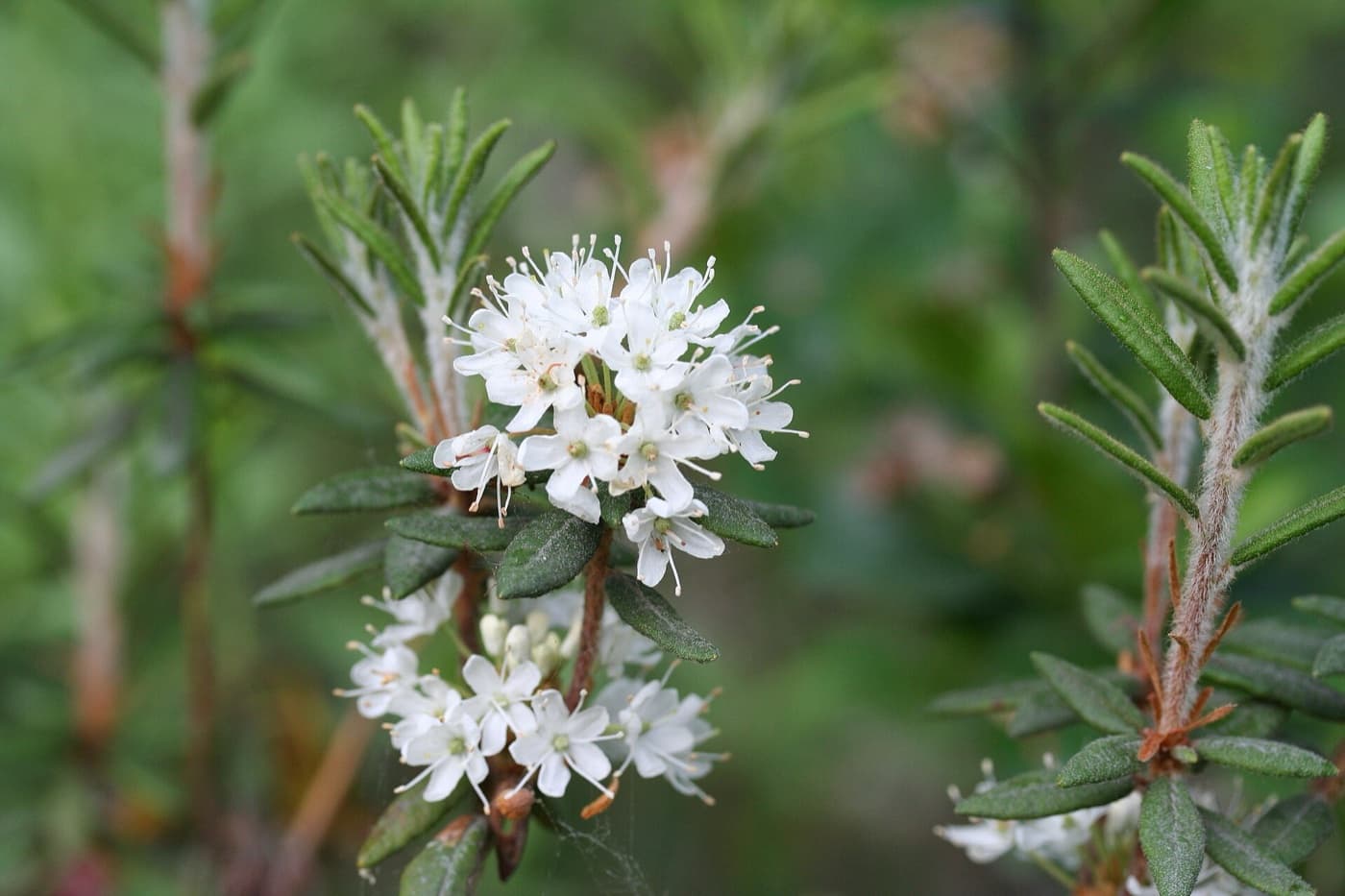
Lapland rosebay

Rhododendron lapponicum

A small alpine rhododendron and one of the most striking flowering plants of the High Peaks alpine zone.

Alpine azalea plant image

Alpine azalea

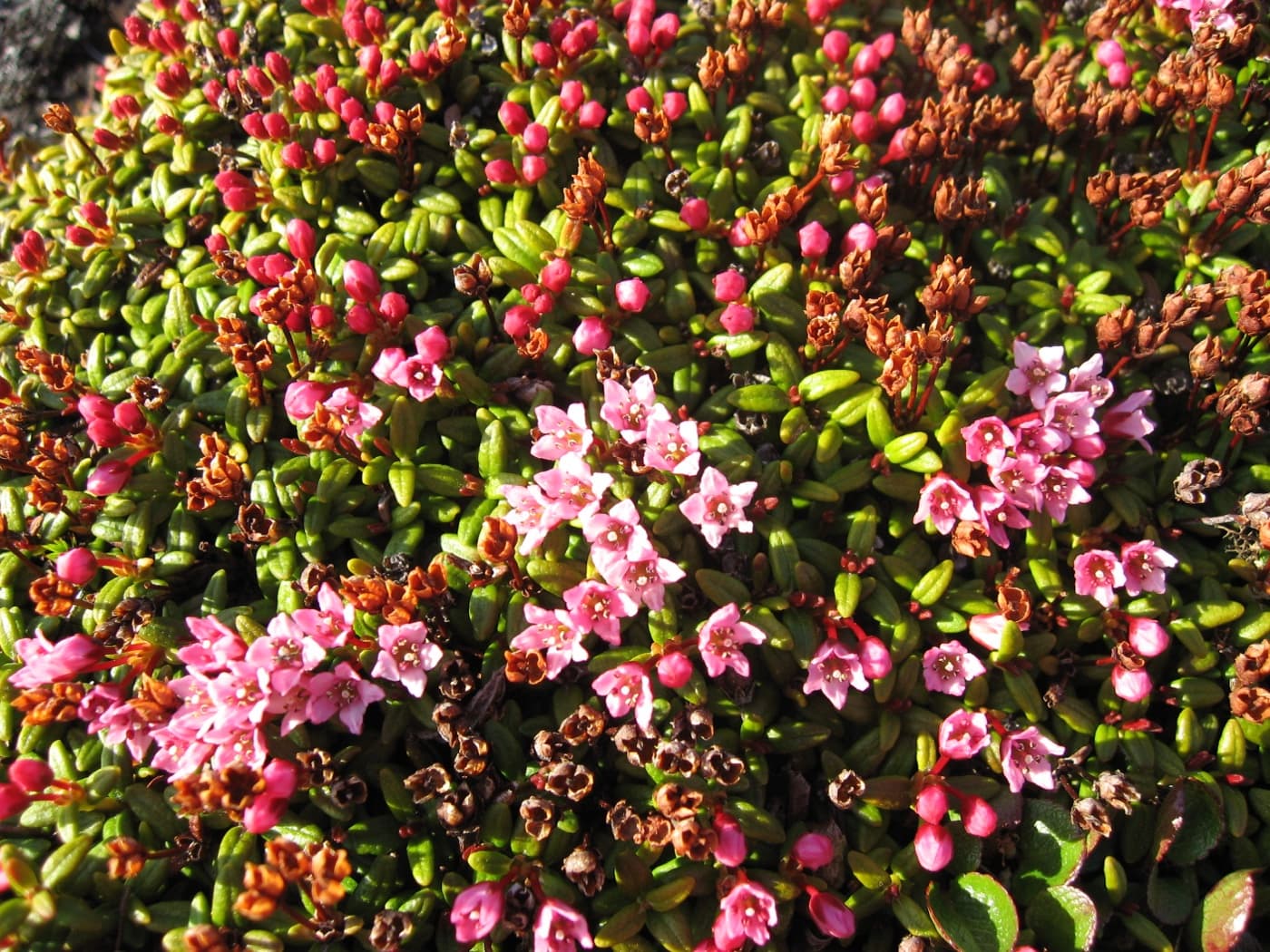
Kalmia procumbens

A tiny trailing shrub that stays close to the ground on exposed ridges and rare summit habitat.
Bigelows sedge plant image

Bigelow's sedge

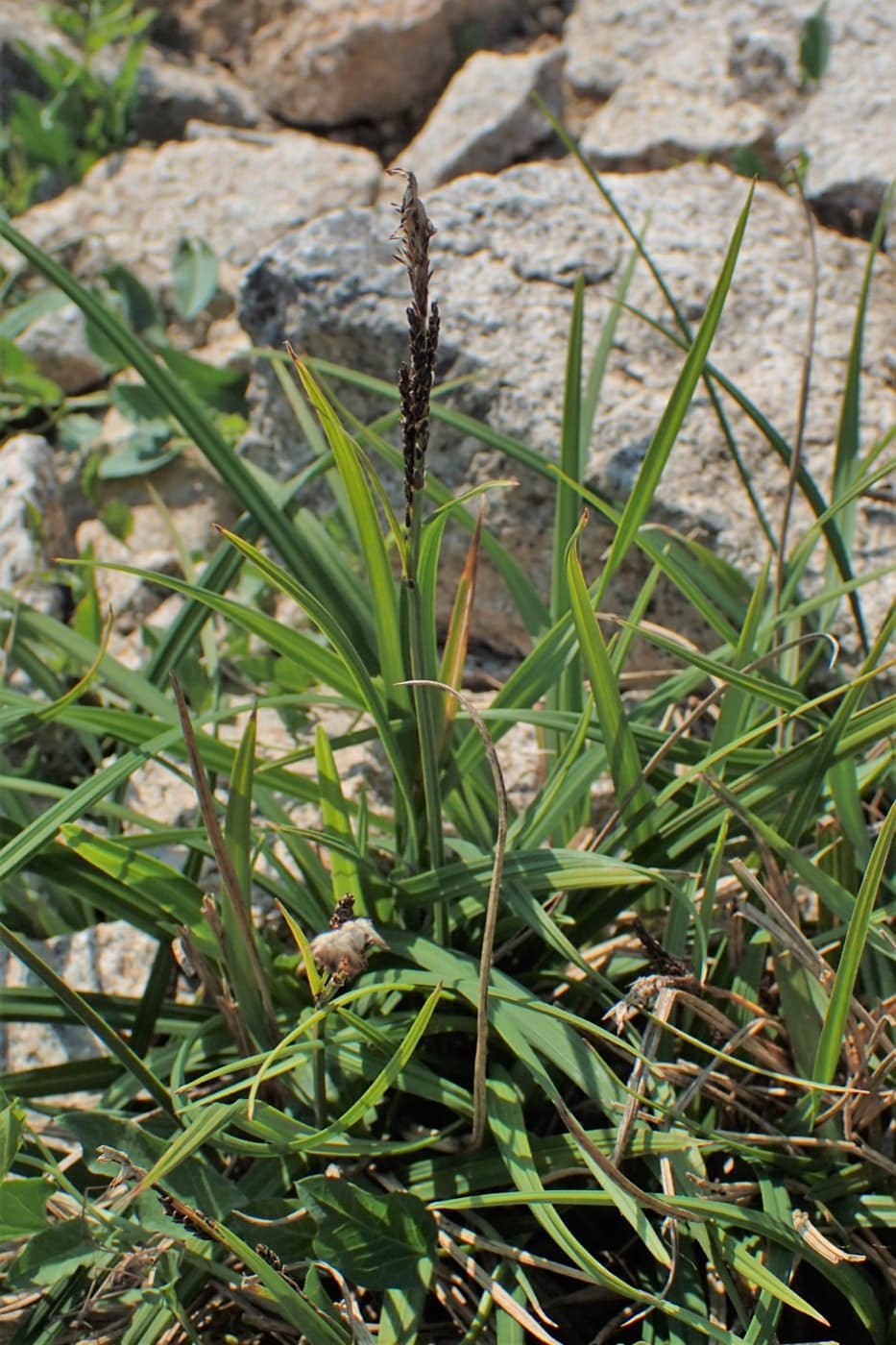
Carex bigelowii

A grass-like sedge tied to arctic and alpine habitat where wind and cold shape low, resilient growth.
Mountain cranberry plant image

Mountain cranberry

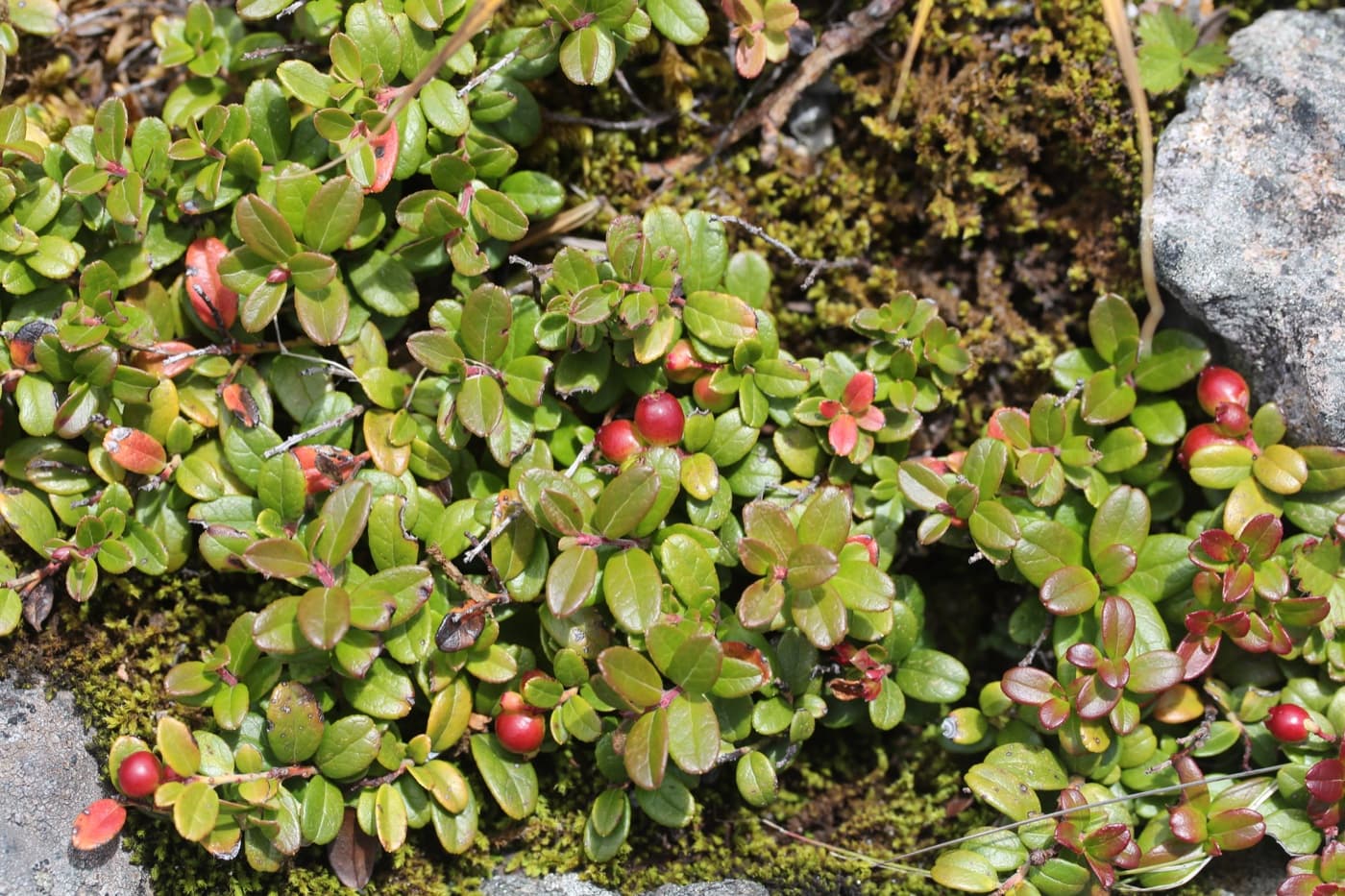
Vaccinium vitis-idaea

A low evergreen shrub that fits the mat-like character of exposed alpine vegetation.

Mountain sandwort plant image

Mountain sandwort

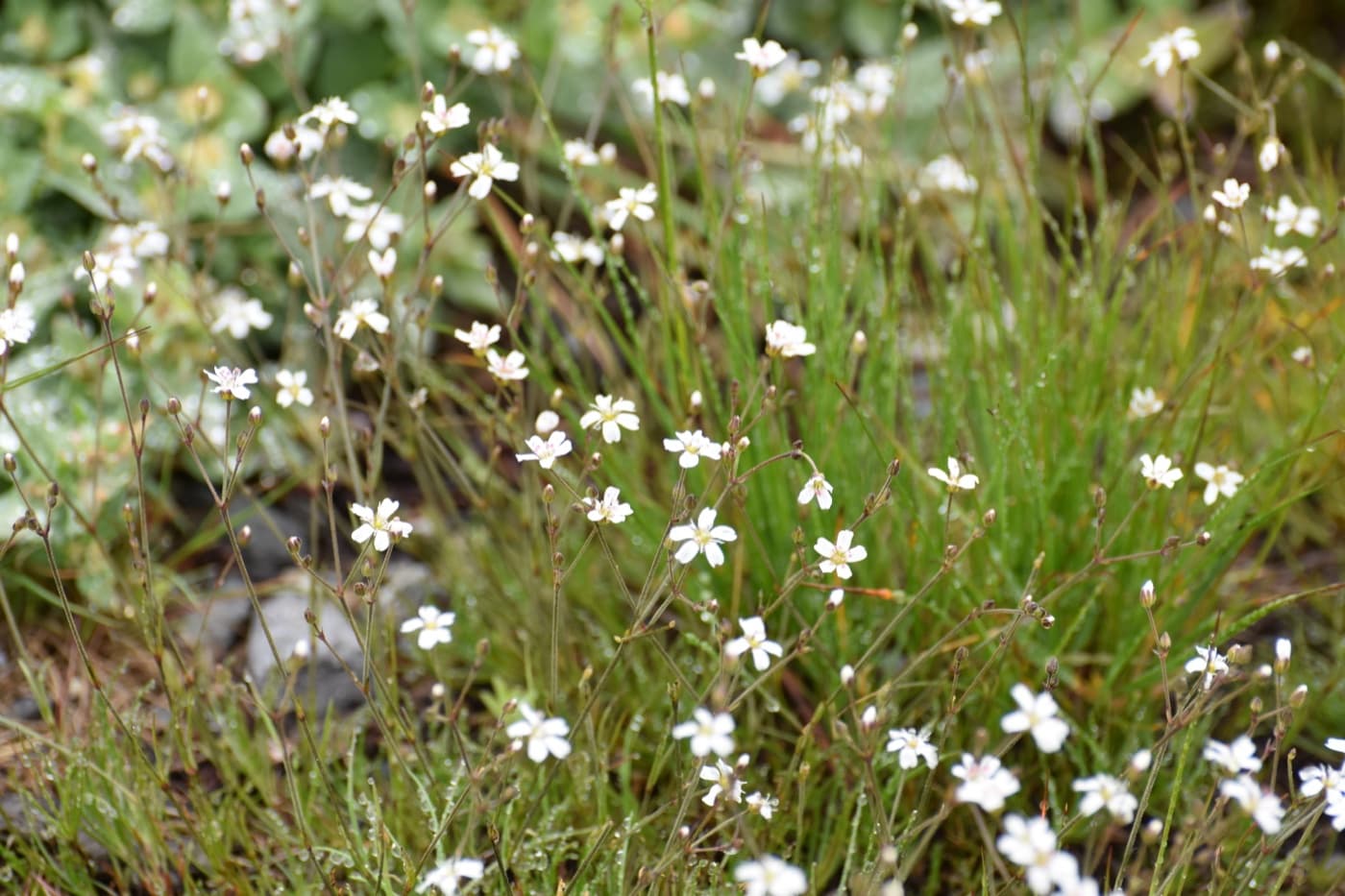
Minuartia groenlandica

A small flowering alpine plant that occupies rocky openings where only thin soil can collect.

Three-toothed cinquefoil plant image

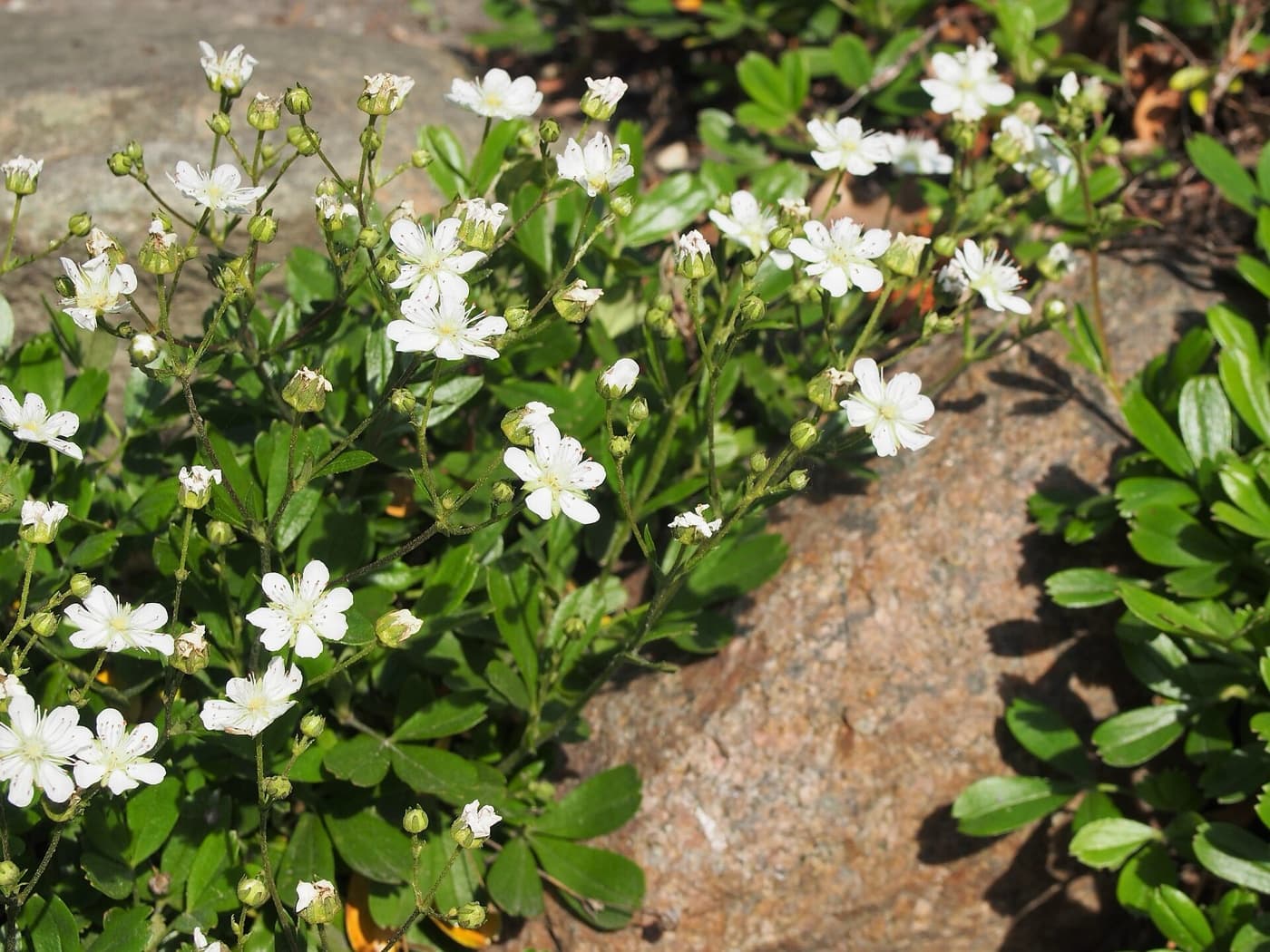
Three-toothed cinquefoil

Sibbaldiopsis tridentata

A hardy summit plant whose low growth and small flowers suit exposed ledges and open alpine terrain.

Labrador tea plant image

Labrador tea

Rhododendron groenlandicum

A northern shrub that adds to the cool, boreal-alpine character of high and open Adirondack habitat.

Alpine goldenrod plant image

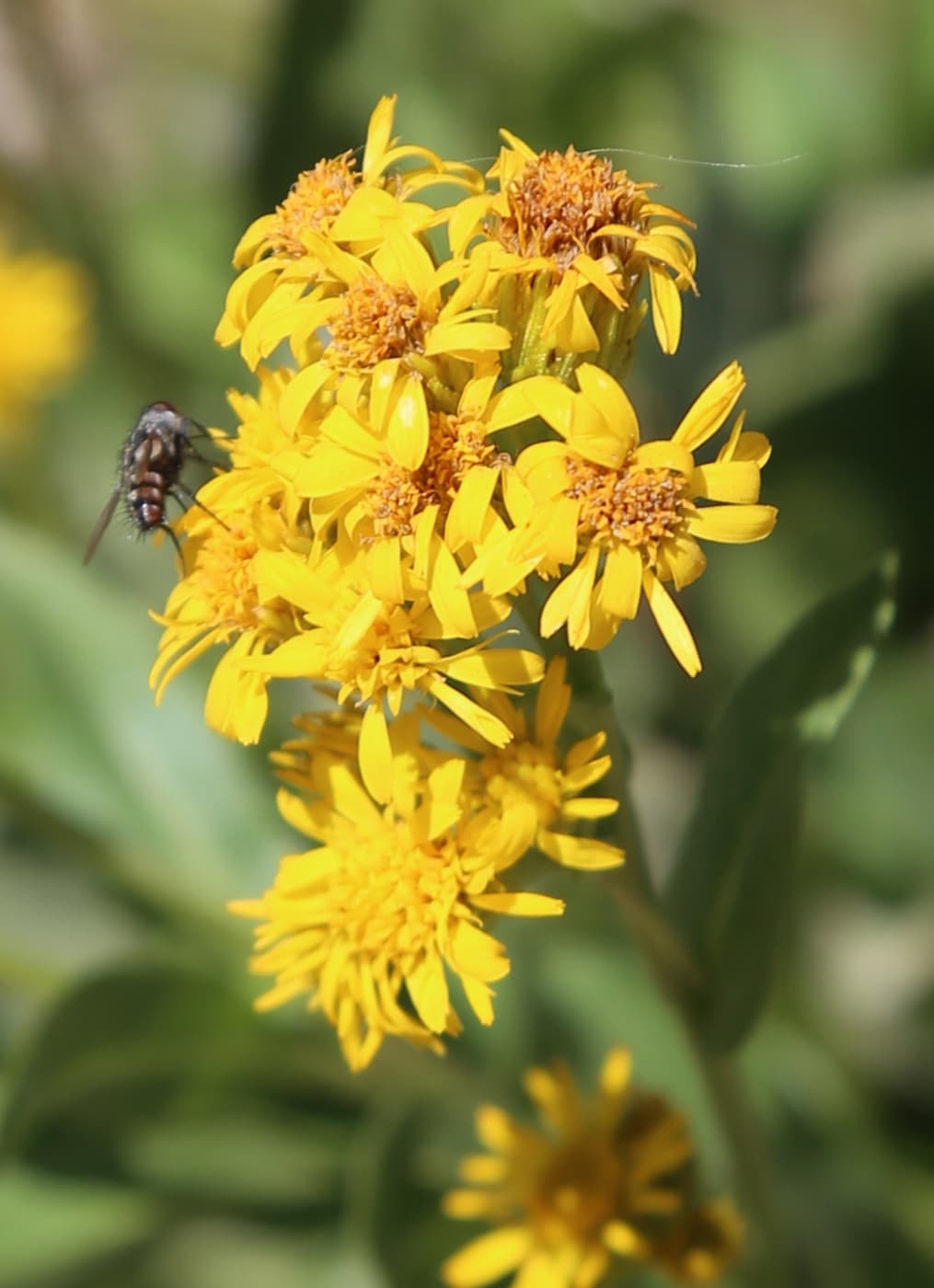
Alpine goldenrod

Solidago leiocarpa

A small goldenrod adapted to harsh summit conditions, helping round out the alpine flower community.

Why it matters

A tiny summit world

The Adirondack High Peaks preserve one of the rarest alpine landscapes in the country. Only about 85 acres remain across the highest peaks, supporting 27 alpine plant species.

Why it is fragile

Slow growth, quick damage

These plants grow in harsh exposure and recover slowly after trampling. A single careless step can damage years of growth in thin summit soils.

How hikers protect it

Stay on rock and marked routes

The alpine rule is simple: walk on durable rock, boards, and clearly marked paths. Open summit rock may look tough, but the living pockets between rocks are not.

Birds of the High Peaks

The forest is often heard before it is seen.

High Peaks bird life shifts with elevation, forest type, and season. Listen for familiar forest songs in the hardwoods, boreal specialists in spruce-fir habitat, and iconic Adirondack voices from nearby lakes and ponds.

White-throated sparrow image

Spotlight bird

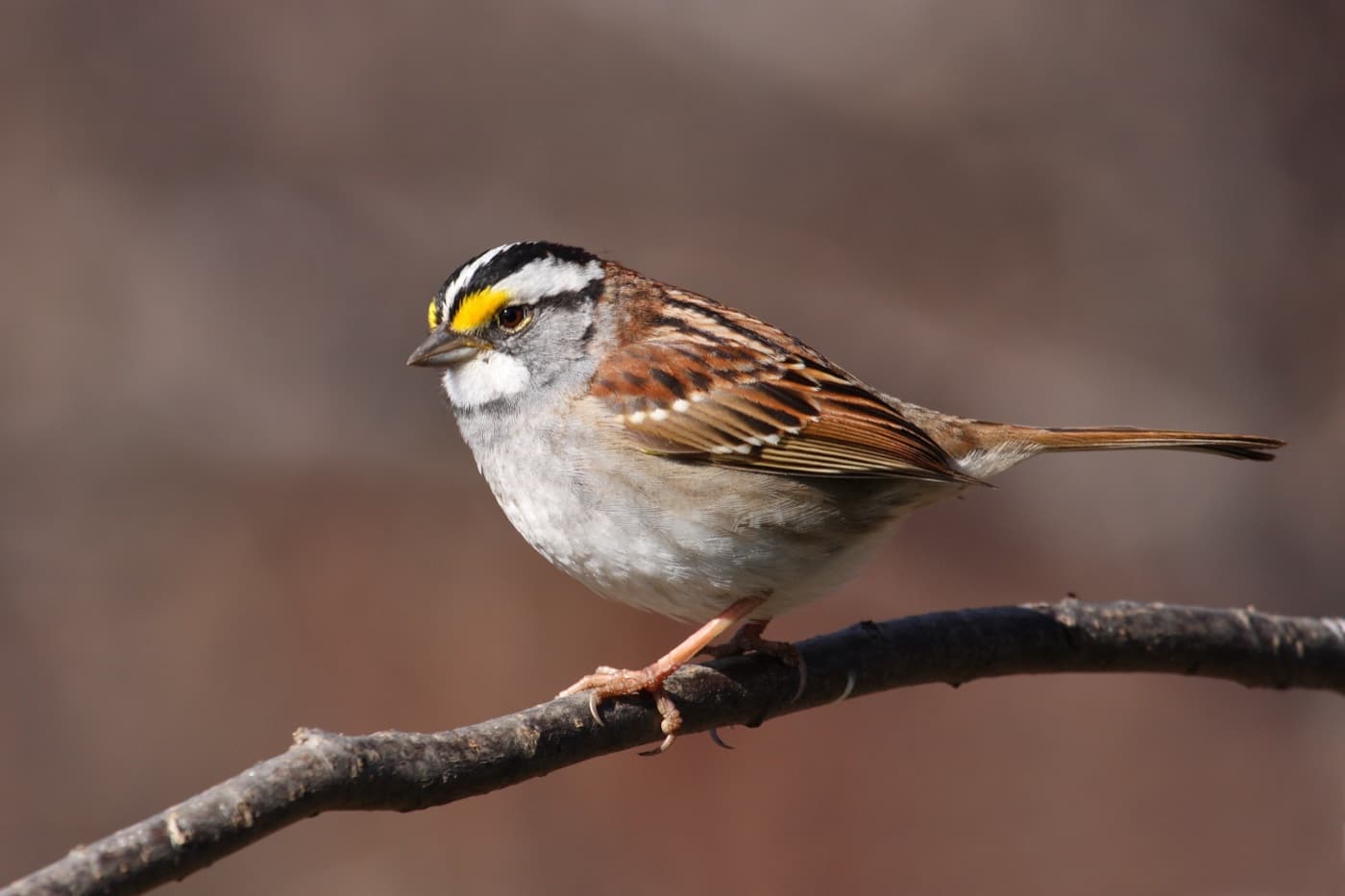
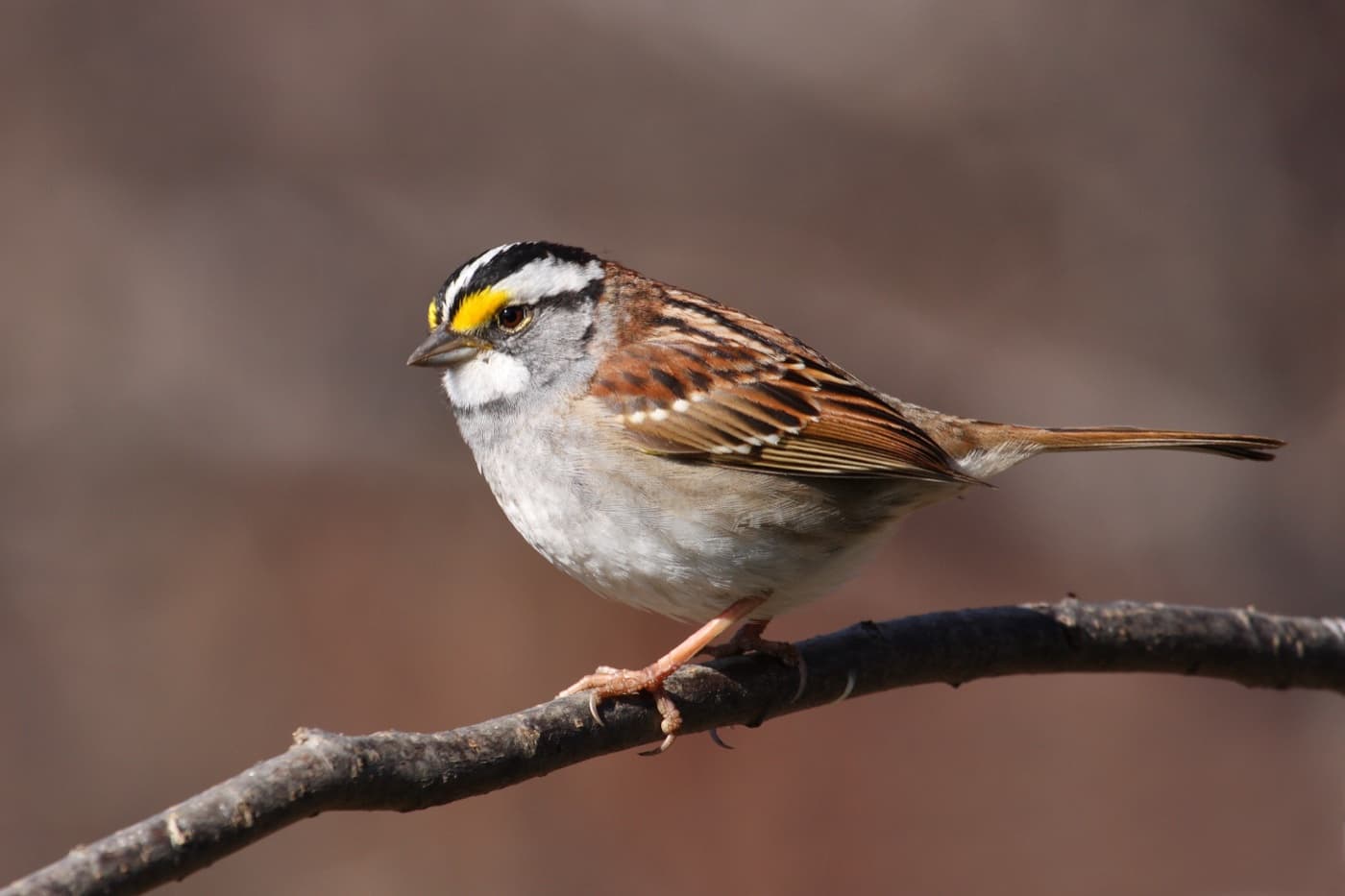
White-throated sparrow

Zonotrichia albicollis

One of the defining sounds of Adirondack woods, with a clear whistled song that instantly gives the forest a northern feel.

Bicknells thrush image
High elevation

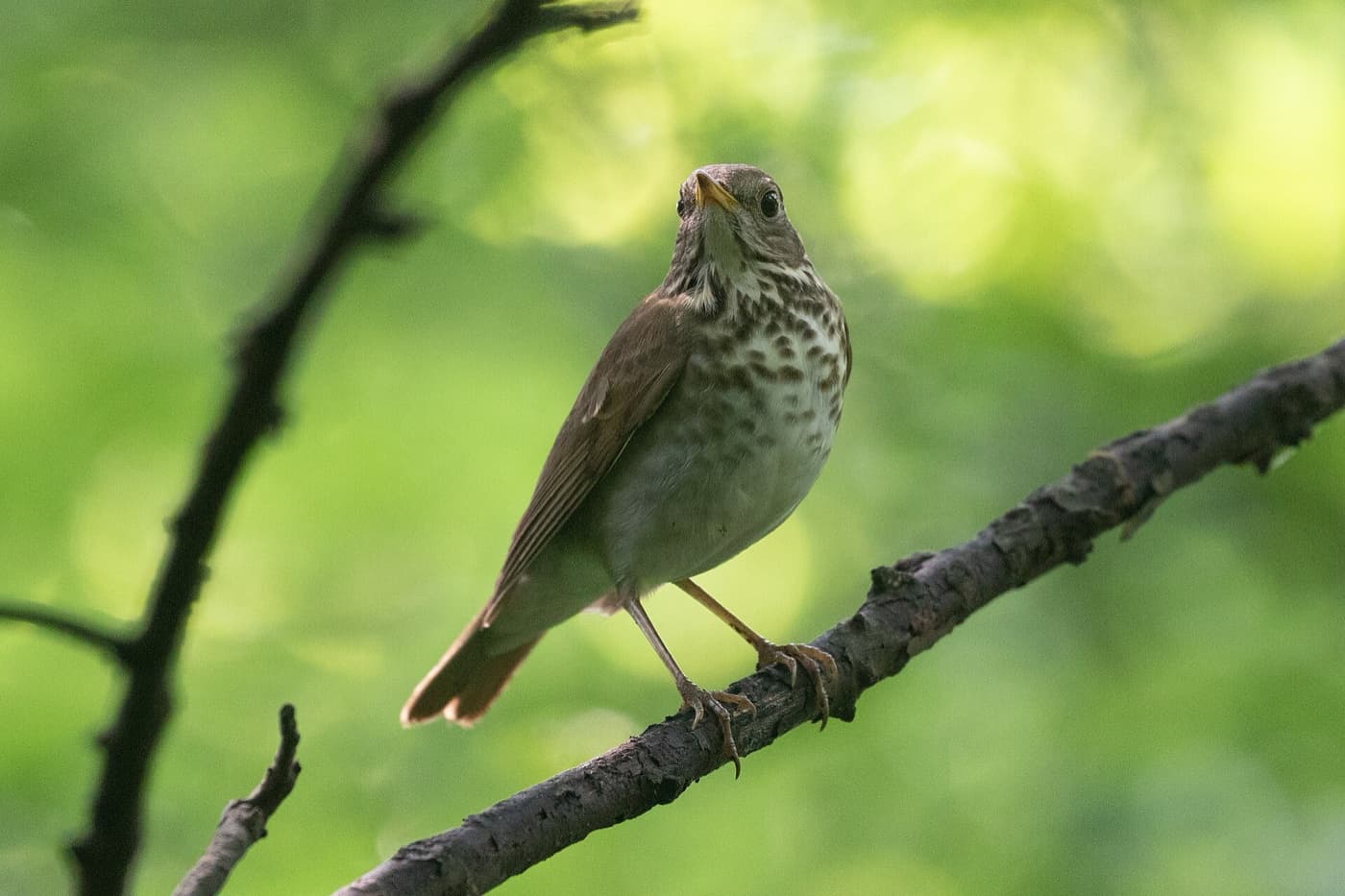
Bicknell's thrush

Catharus bicknelli

A rare mountain songbird most closely associated with dense spruce-fir habitat near the highest Adirondack elevations.

Boreal chickadee image
Spruce-fir forest

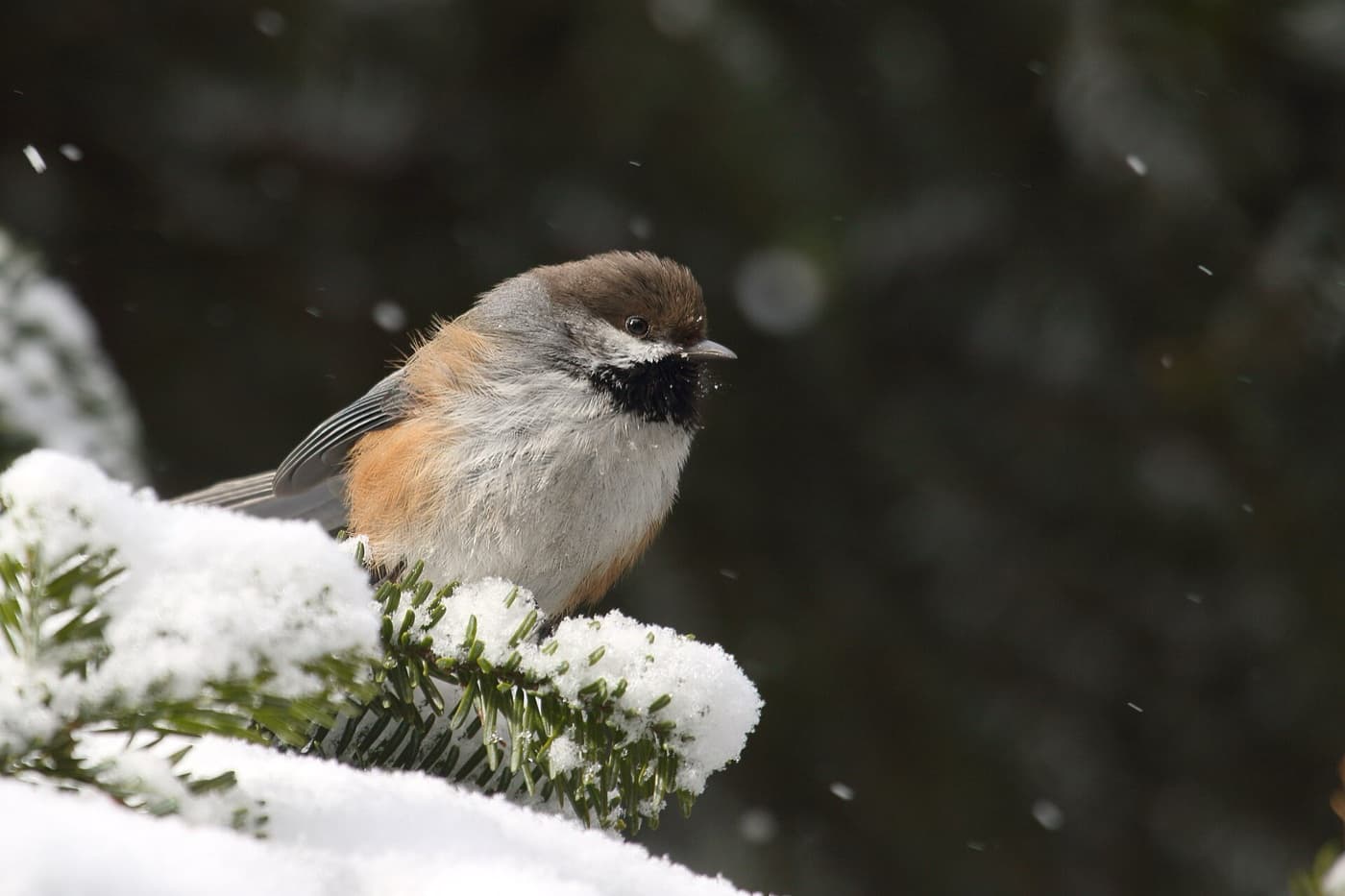
Boreal chickadee

Poecile hudsonicus

A classic boreal bird of higher conifer woods, helping make the Adirondacks feel far more northern than their latitude suggests.

Yellow-bellied flycatcher image
Wet conifer habitat

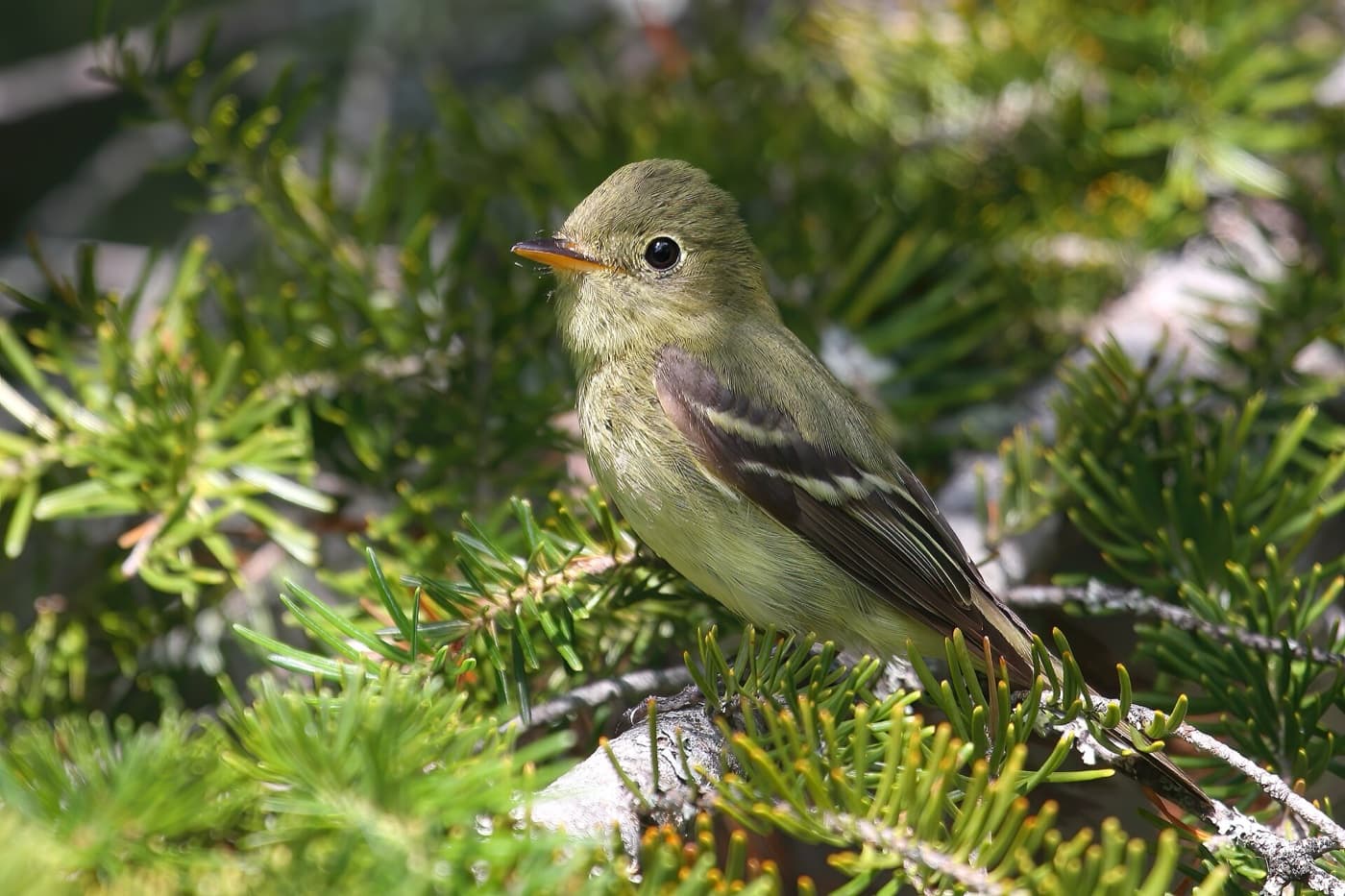
Yellow-bellied flycatcher

Empidonax flaviventris

A small flycatcher of cool conifer habitat, often associated with higher-elevation and wetter spruce-fir settings.

Winter wren image
Shadowed understory

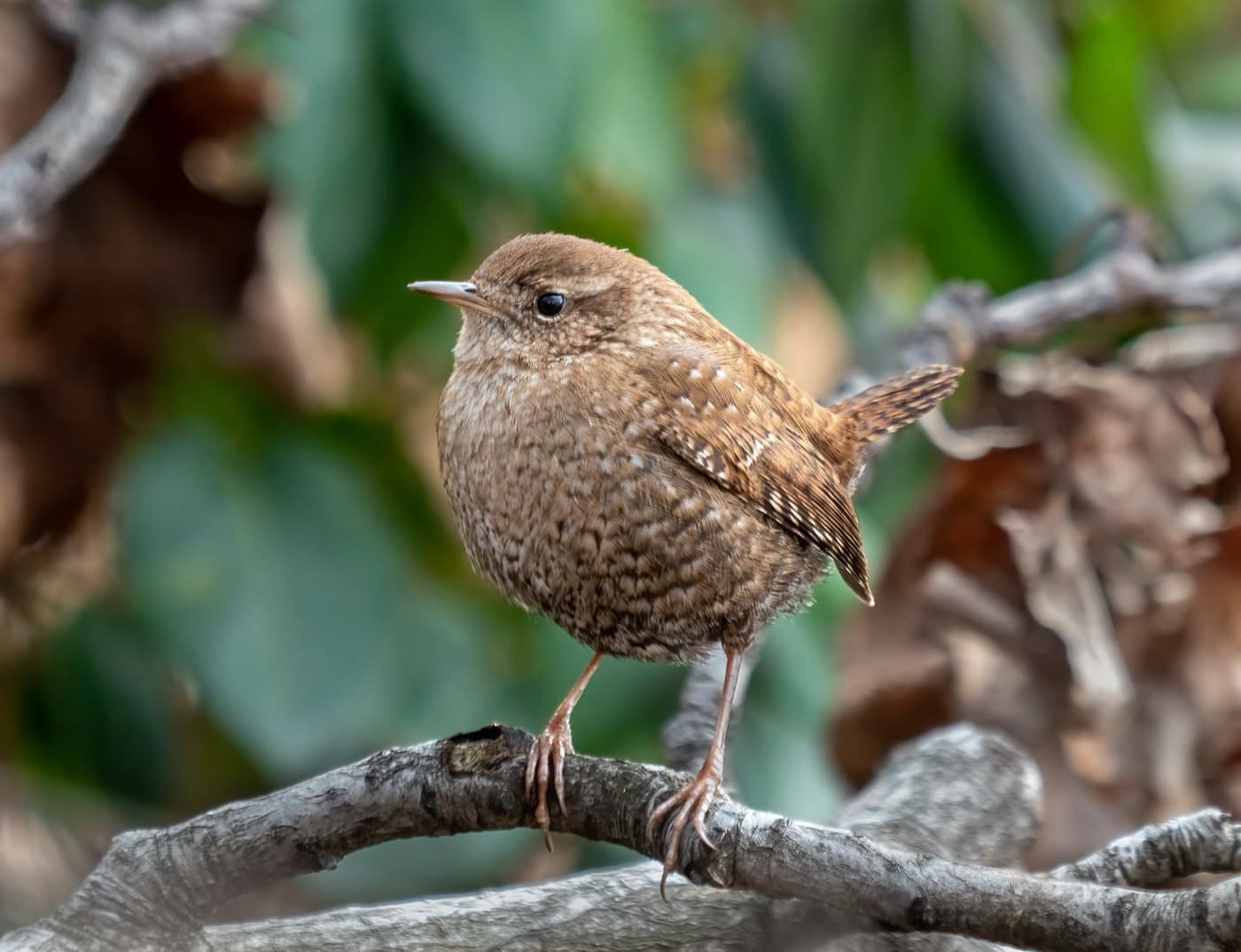
Winter wren

Troglodytes hiemalis

A tiny but loud bird of mossy woods, blowdown, and cool conifer forests, where its song carries farther than its size suggests.

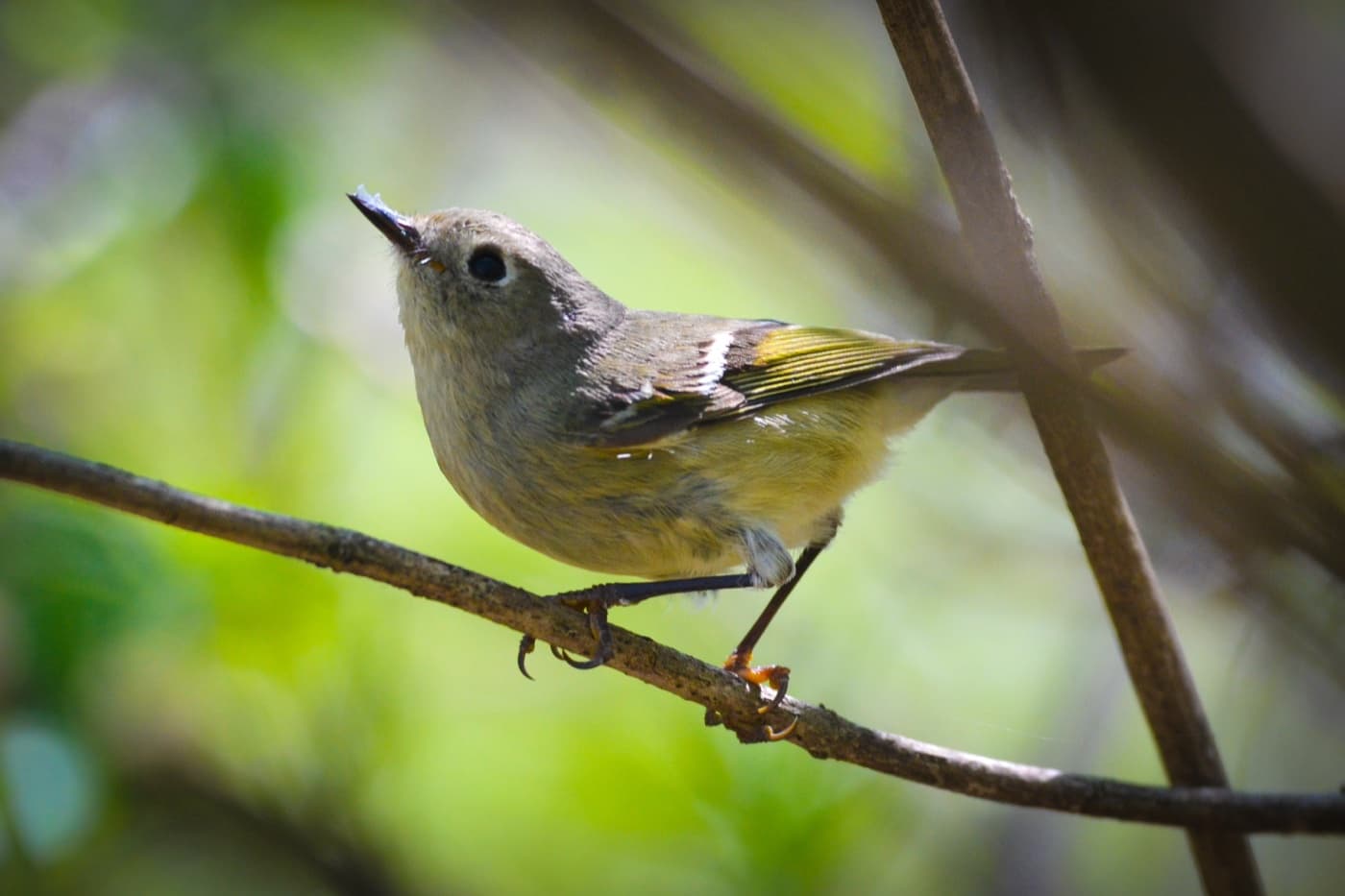
Ruby-crowned kinglet image
Tiny canopy singer

Ruby-crowned kinglet

Regulus calendula

A small, restless forest bird with a surprisingly strong song, often noticed in cool conifer and mixed woods during migration or breeding season.

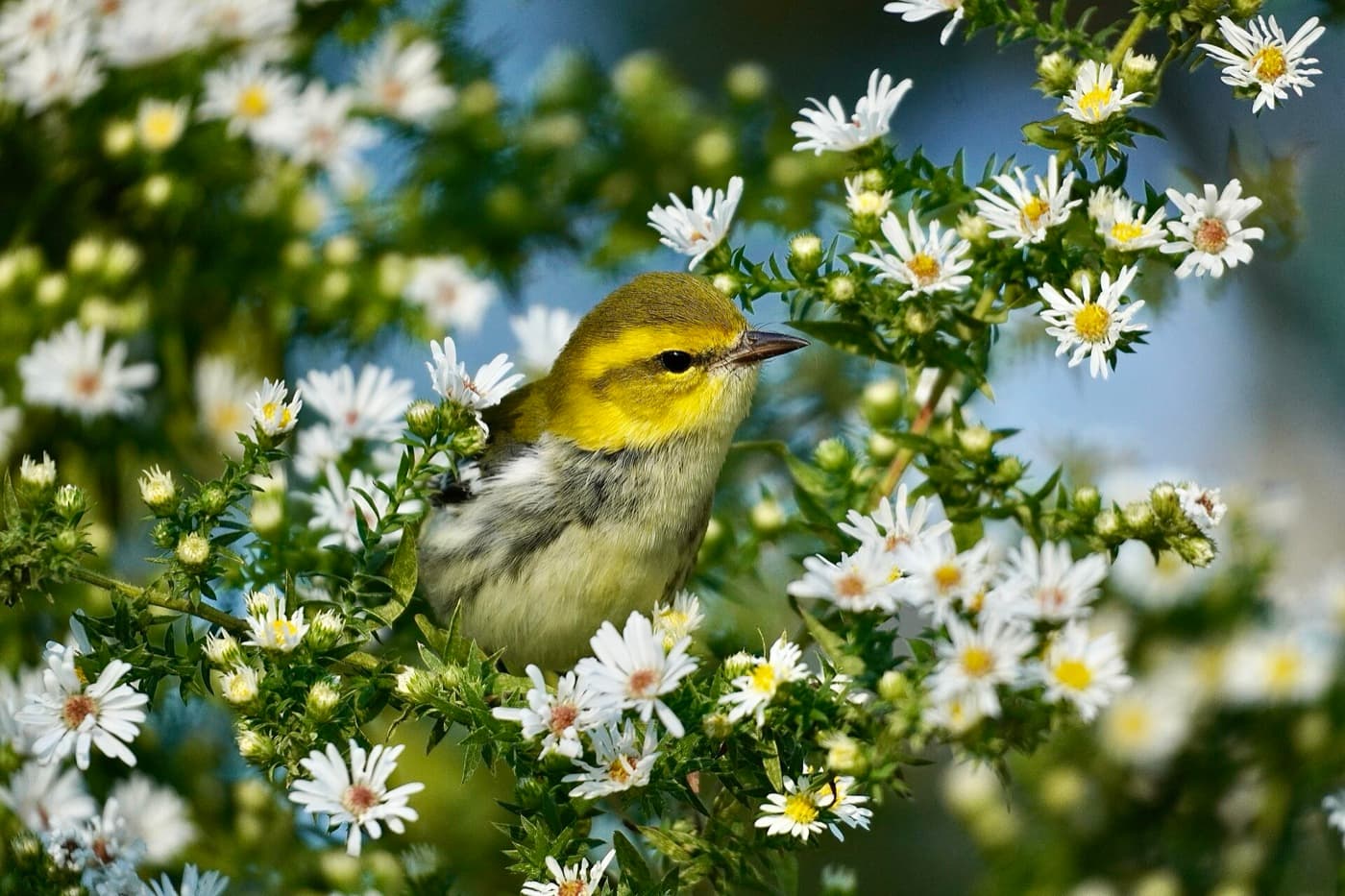
Black-throated green warbler image
Evergreen songbird

Black-throated green warbler

Setophaga virens

A bright, recognizable warbler of hemlock, spruce, and mixed forest, adding one of the classic songs of Adirondack summer woods.

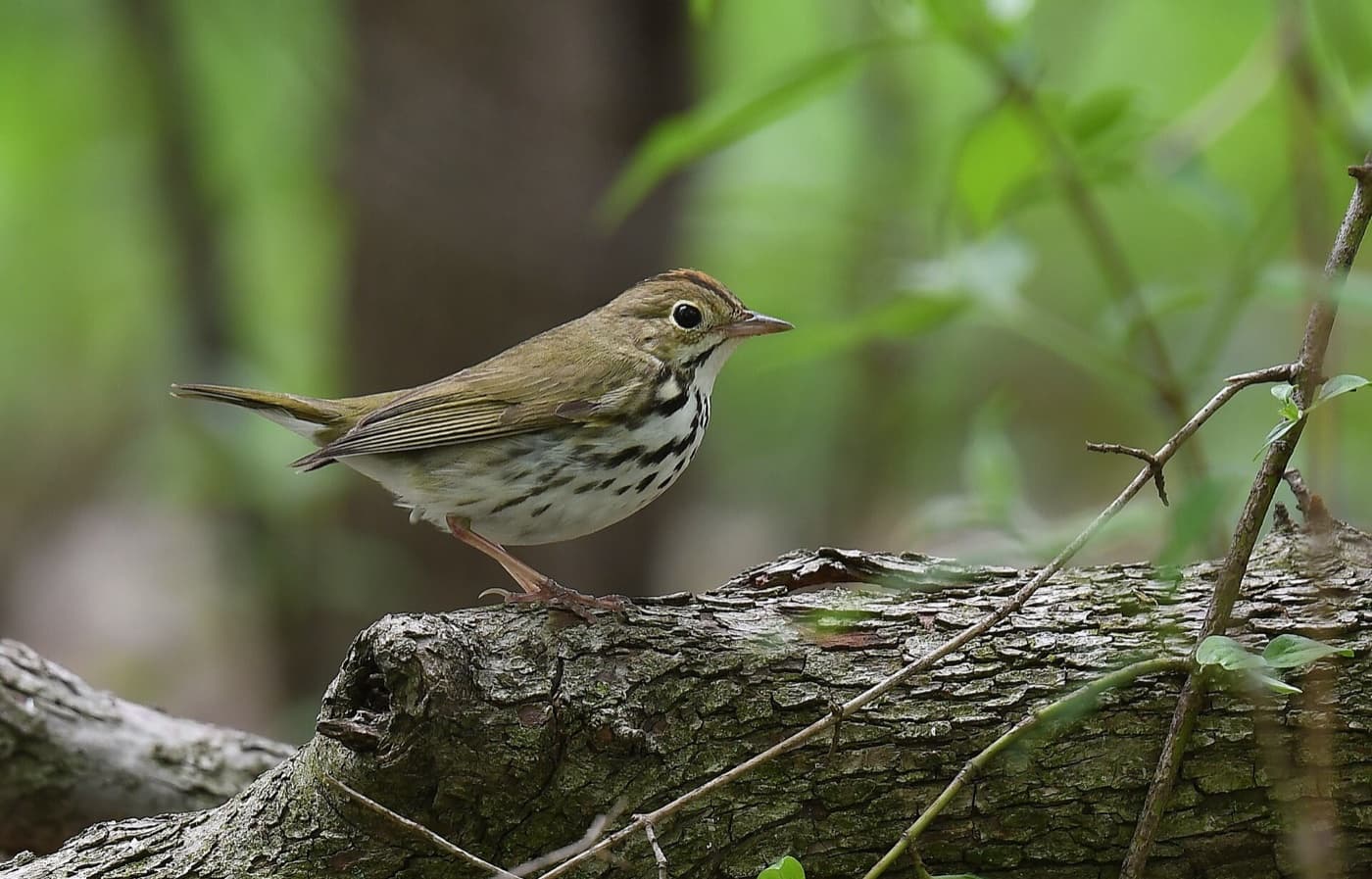
Ovenbird image
Forest floor

Ovenbird

Seiurus aurocapilla

A ground-nesting warbler of mature forest, often heard before it is seen as its ringing song cuts through the hardwoods.

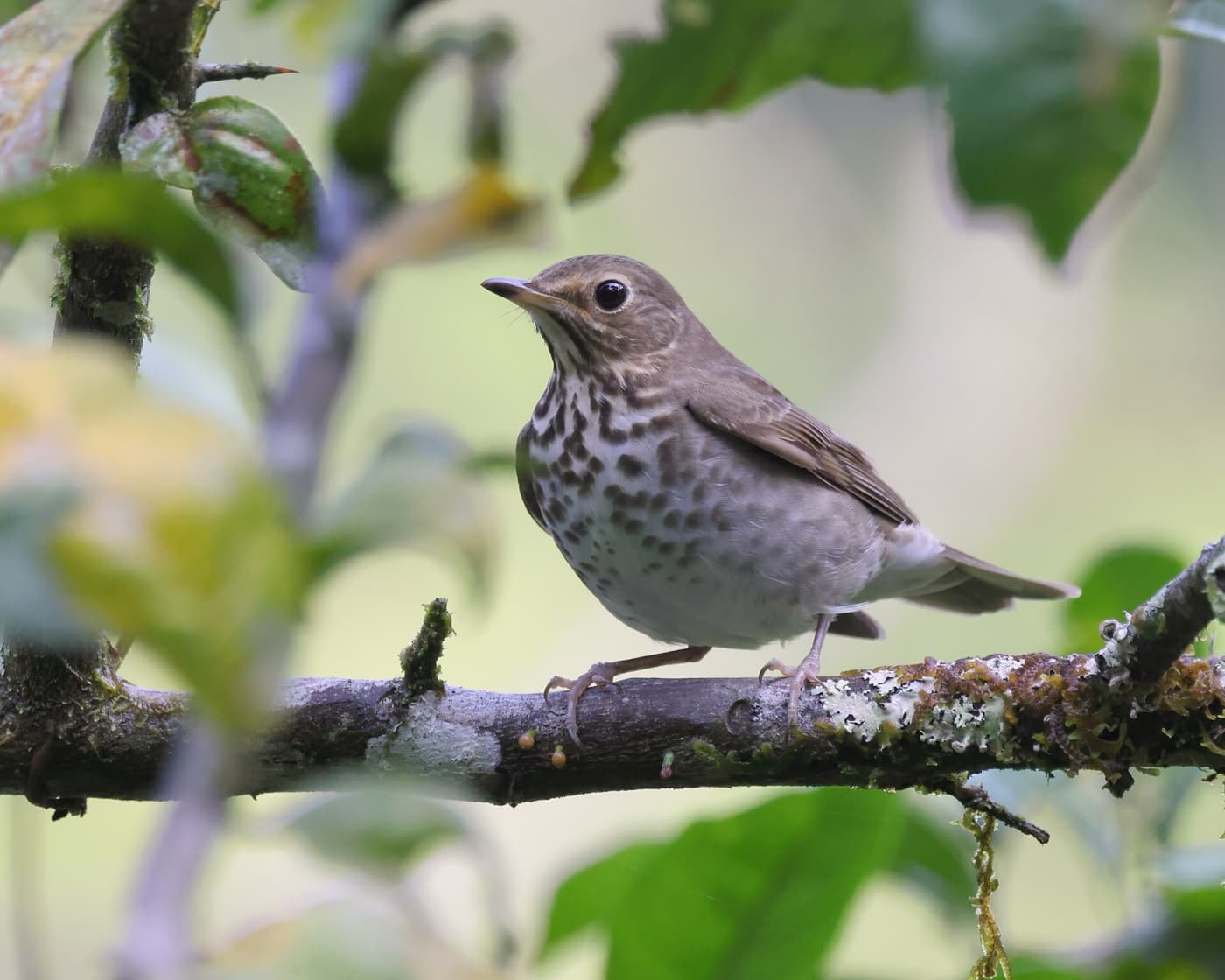
Swainsons thrush image
Northern forest song

Swainson's thrush

Catharus ustulatus

A soft-voiced northern thrush whose rising song can make higher, cooler woods feel deeper and more remote.

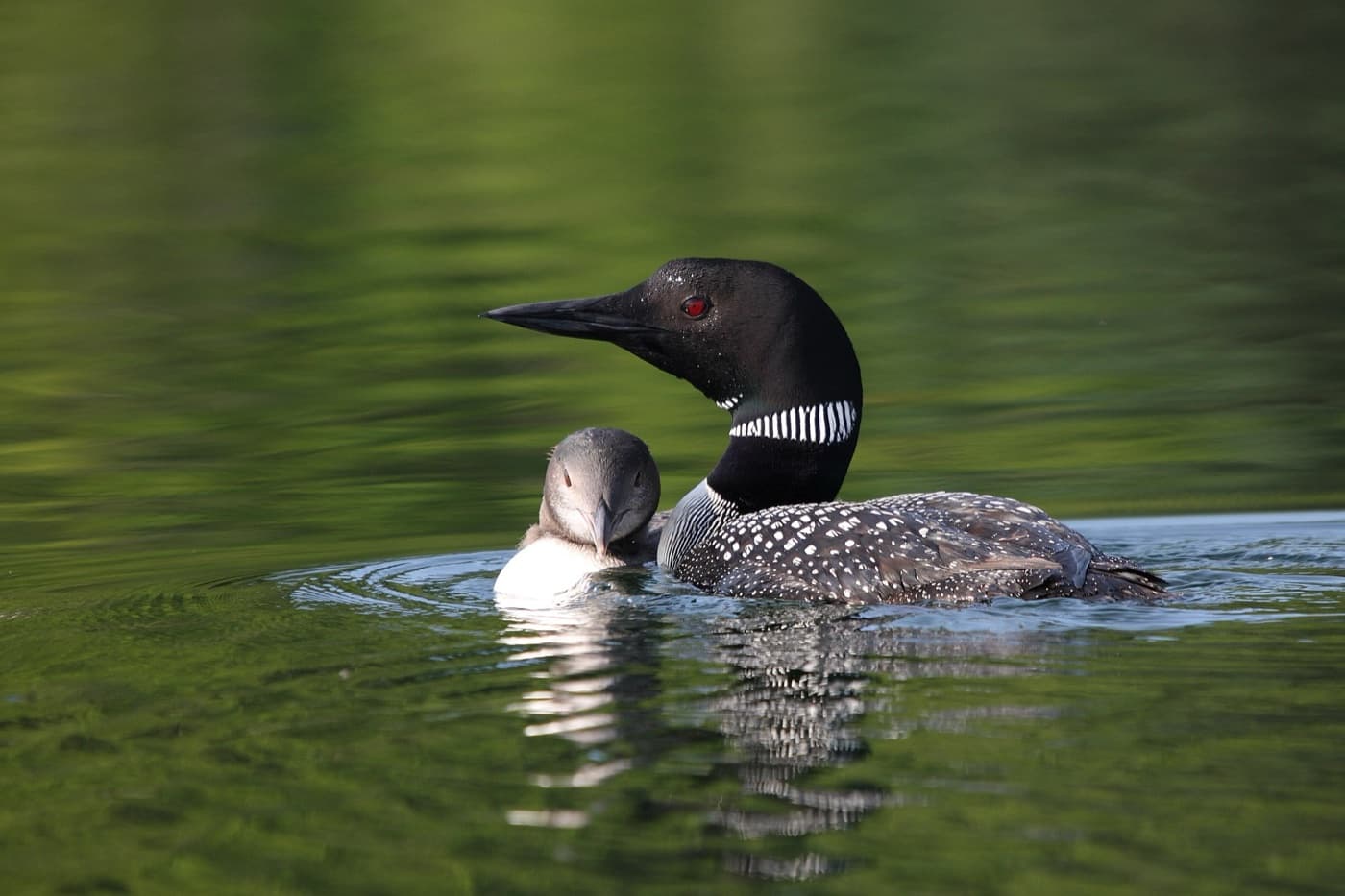
Common loon image
Lakes and ponds

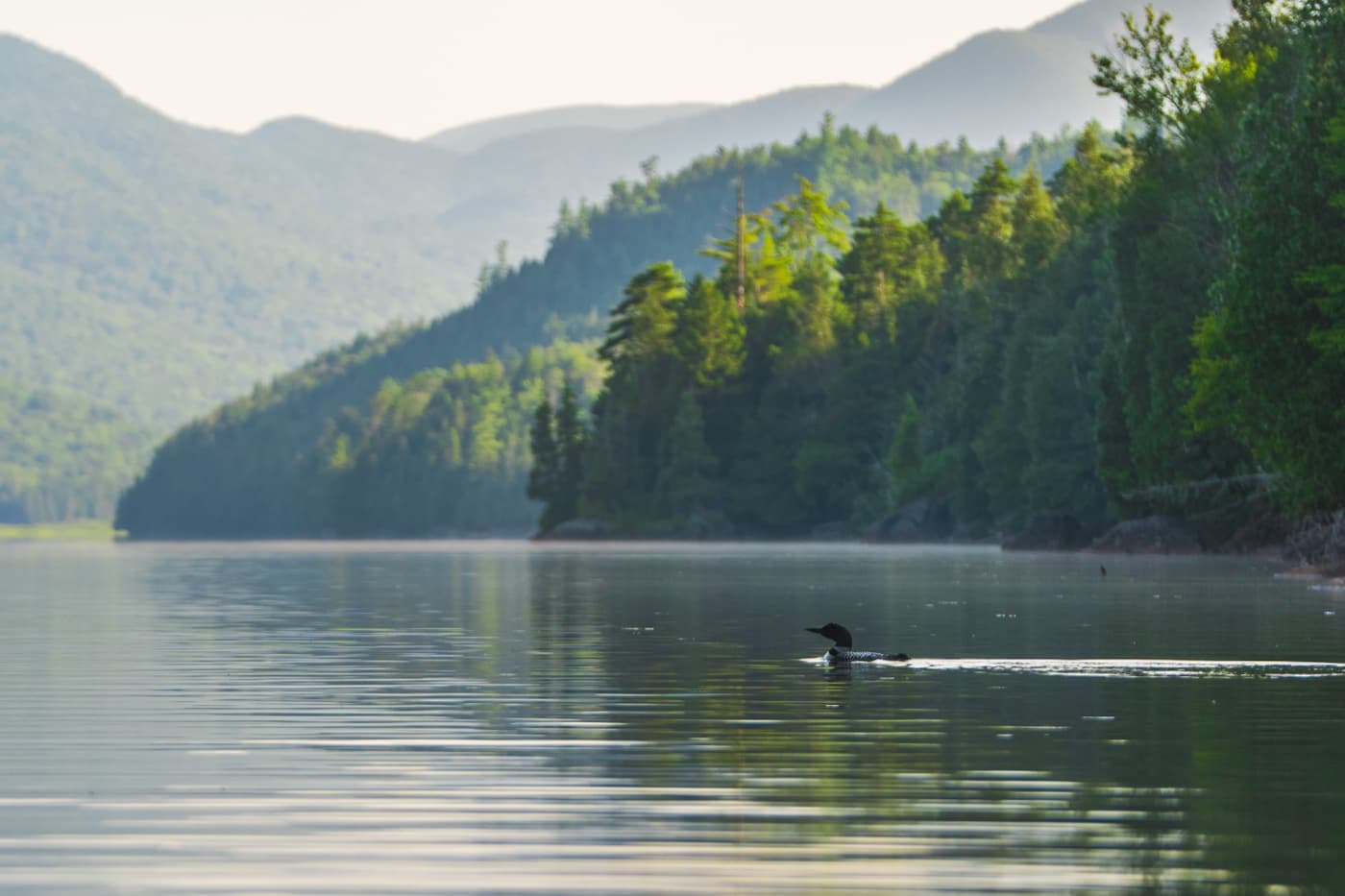
Common loon

Gavia immer

A defining sound of Adirondack water, most associated with lakes and quiet ponds rather than summit forest.

Mammals and signs

Most wildlife encounters begin as evidence.

Tracks, browse, lodges, scat, claw marks, gnaw marks, and sudden movement often teach hikers more than direct sightings. This section helps hikers notice wildlife without turning the page into a safety warning.

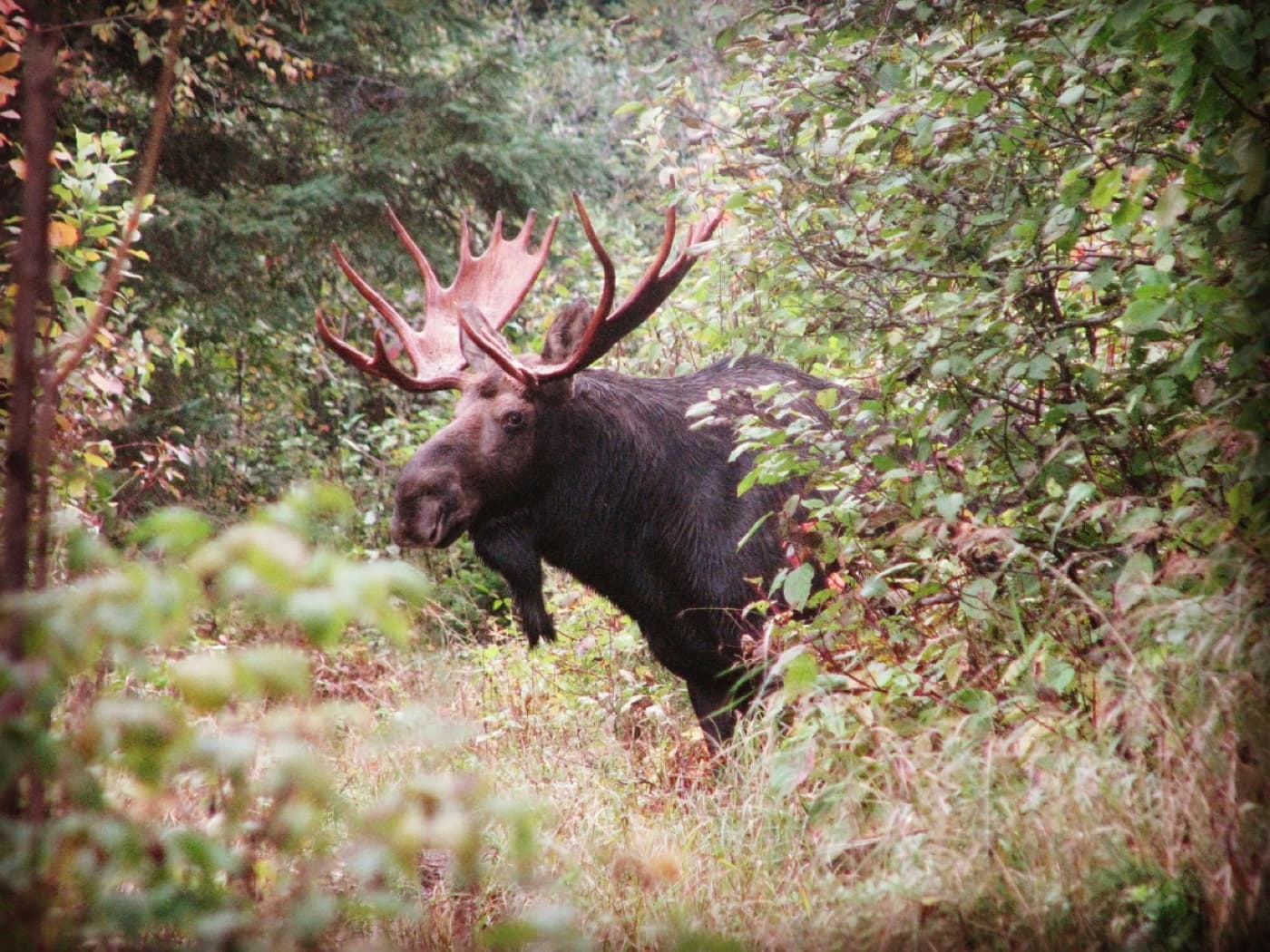
Moose spotlight image

Mammal spotlight

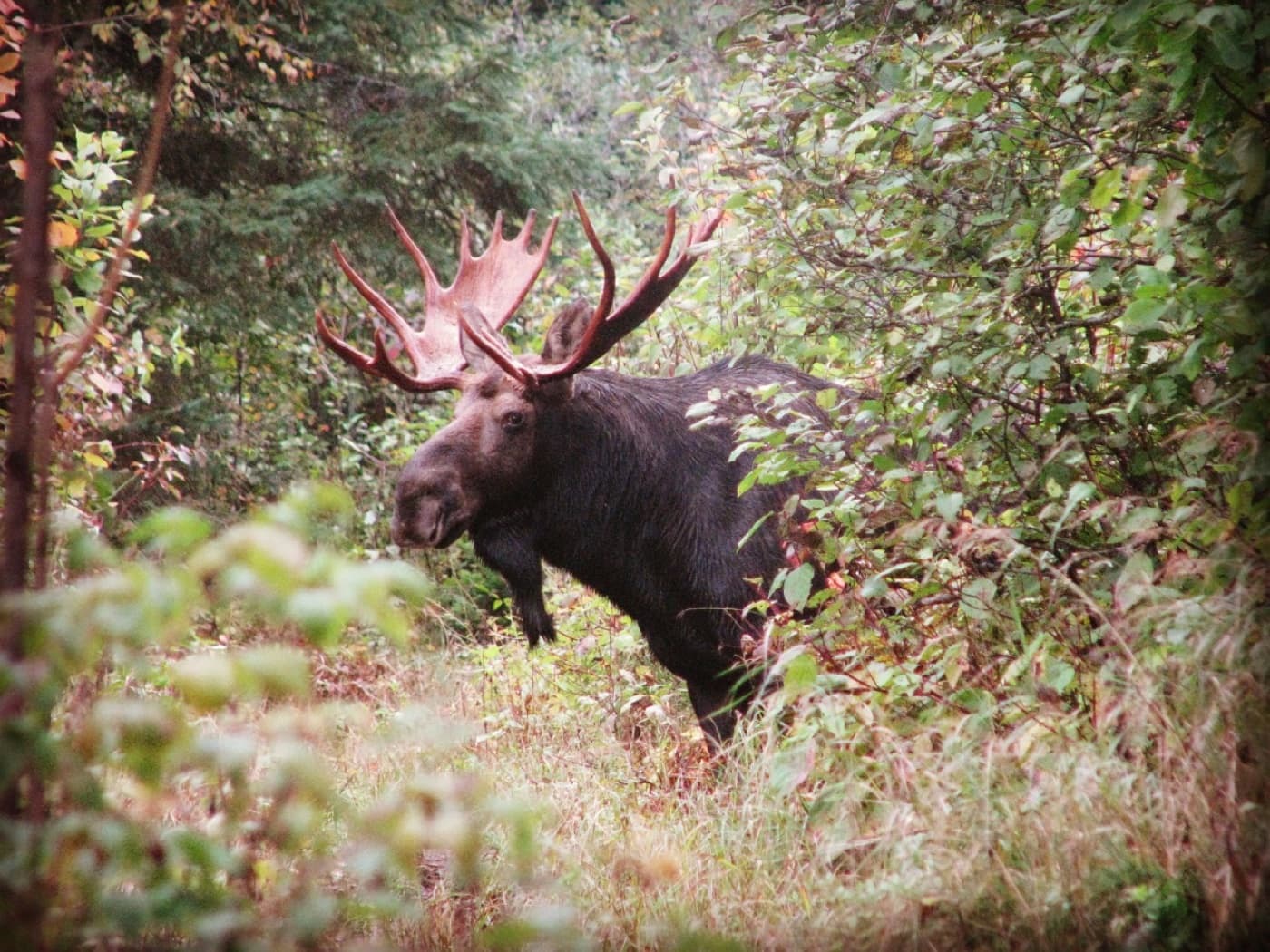
The elusive moose

Moose give Adirondack wetlands, young growth, and boreal edges a different sense of scale. DEC estimates place the Adirondack population at roughly 600 to 700 moose. They are rarely seen, but browse, tracks, and habitat clues remind hikers that they remain part of the Park’s wild character.

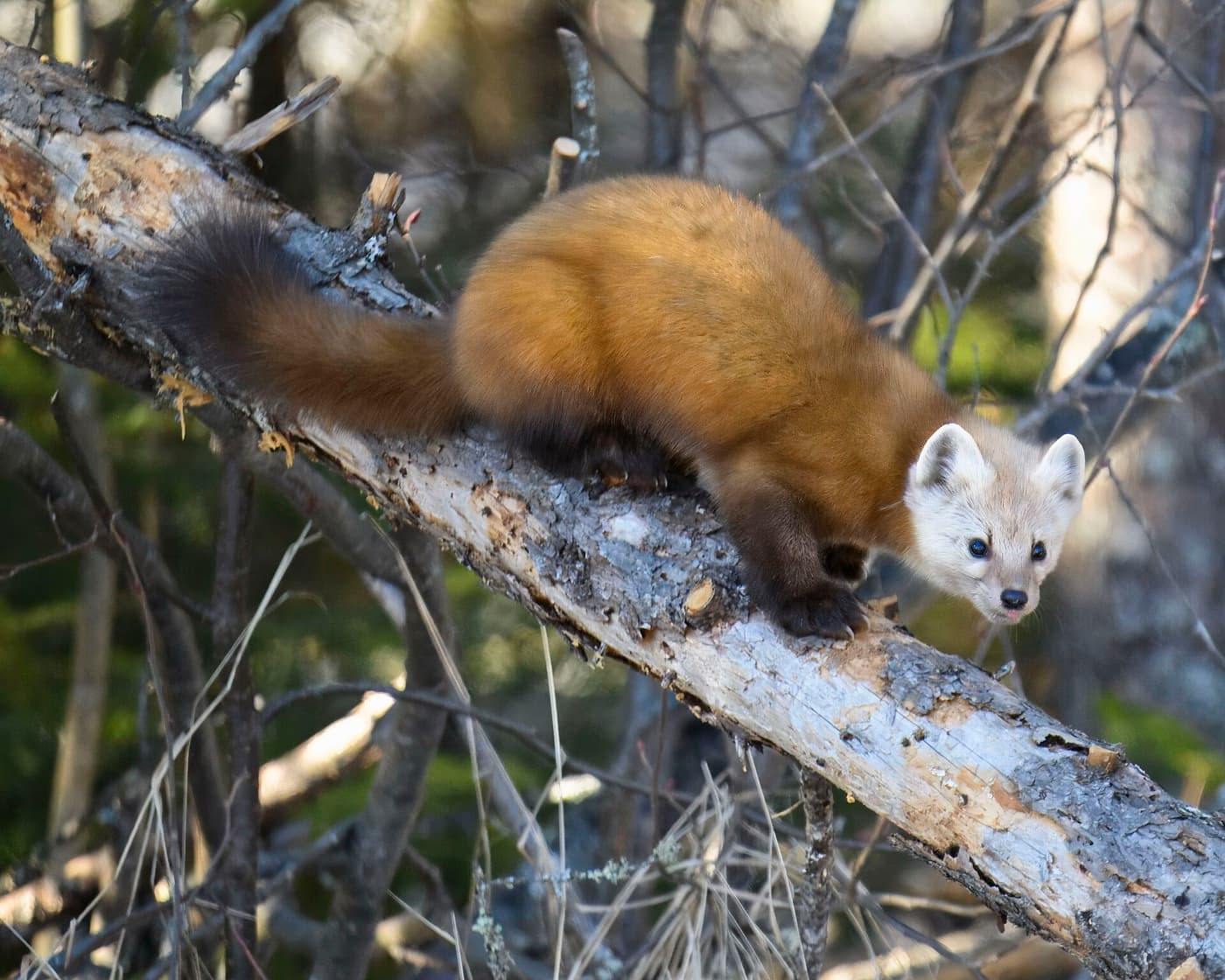
American marten image
Boreal mammal

American marten

Martes americana

A quick, elusive forest predator associated with mature woods, snow, blowdown, and the colder northern character of the Adirondacks.

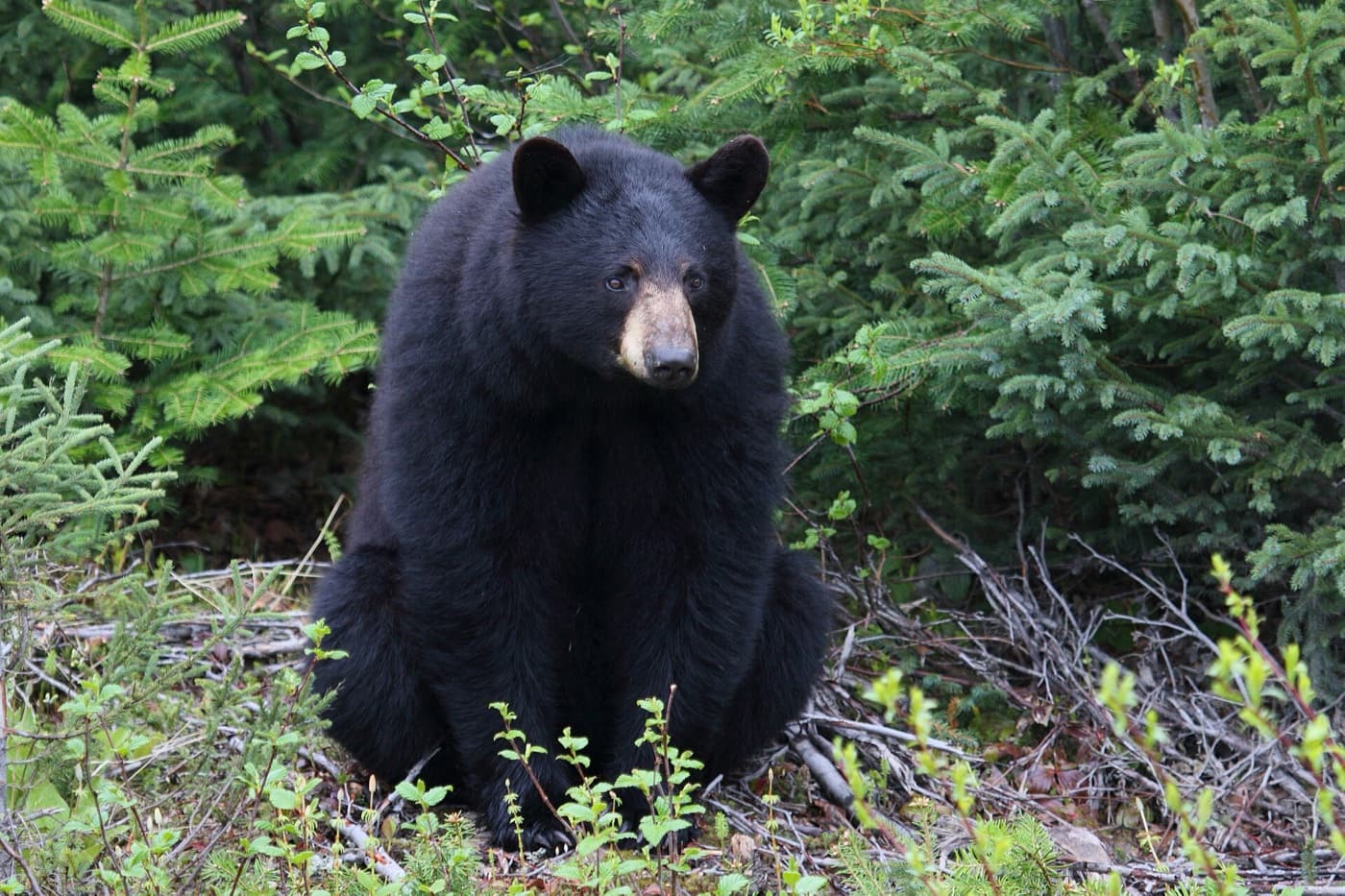
Black bear image
Large mammal

Black bear

Ursus americanus

The major bear species of the Adirondacks, more often noticed through tracks, scat, and food-storage rules than direct sightings.

White-tailed deer image
Forest edge

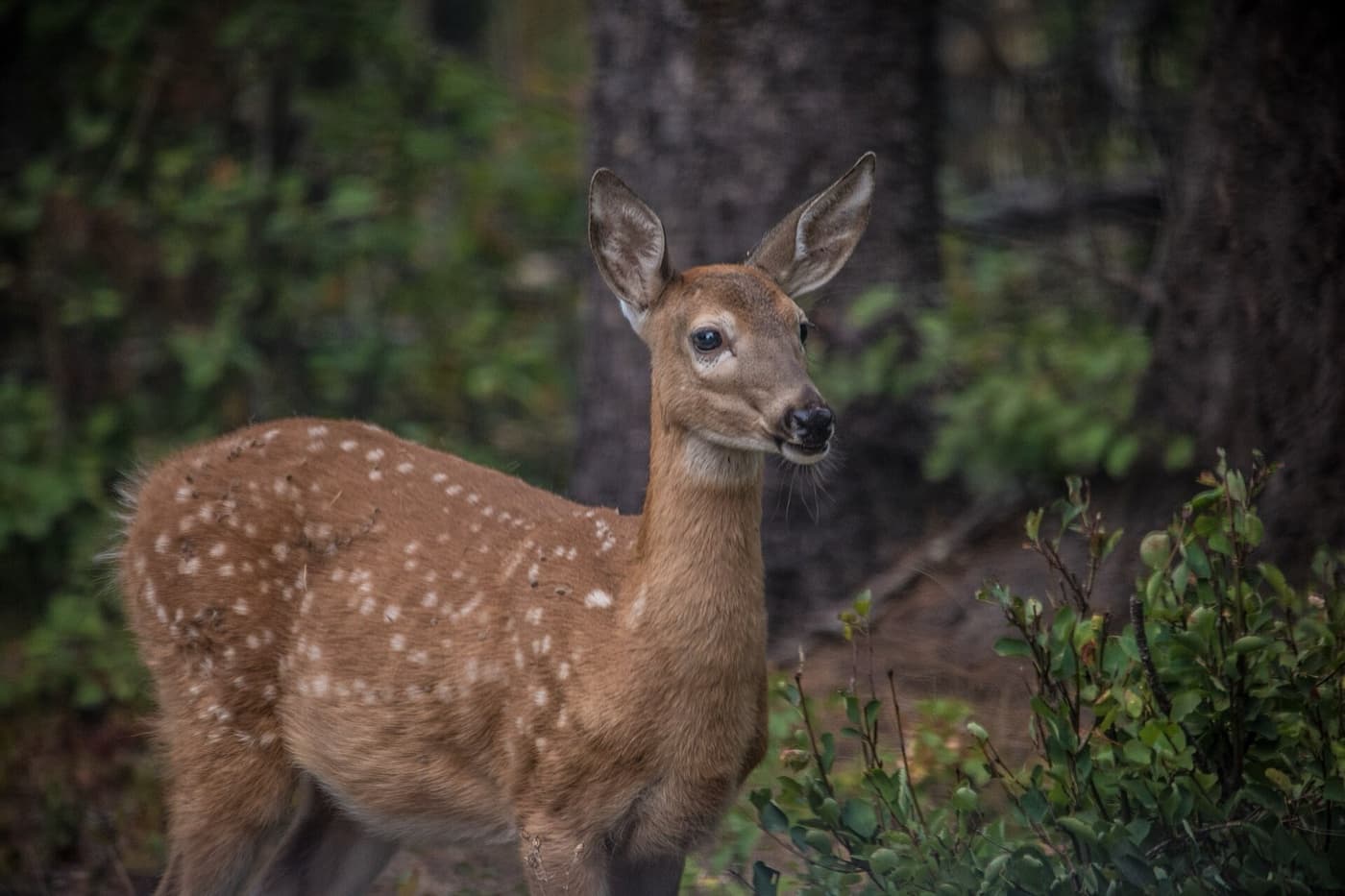
White-tailed deer

Odocoileus virginianus

Common around lower forests, edges, roadsides, and openings, especially outside the harsher summit environments.

Snowshoe hare image
Winter coat

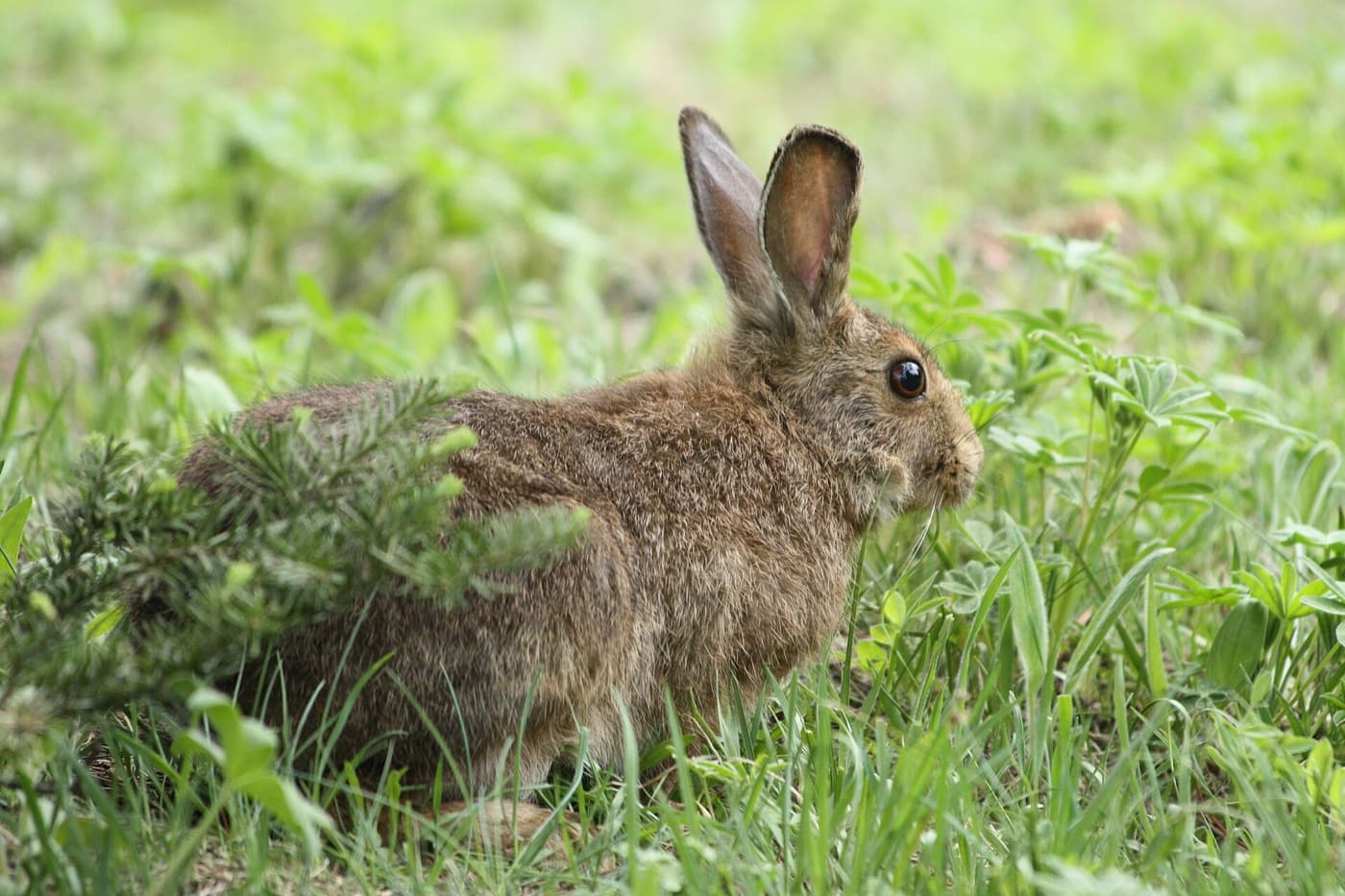
Snowshoe hare

Lepus americanus

A boreal forest species whose seasonal coat change and oversized hind feet are built for snow, cover, and quick escapes.

North American porcupine image
Quiet woods

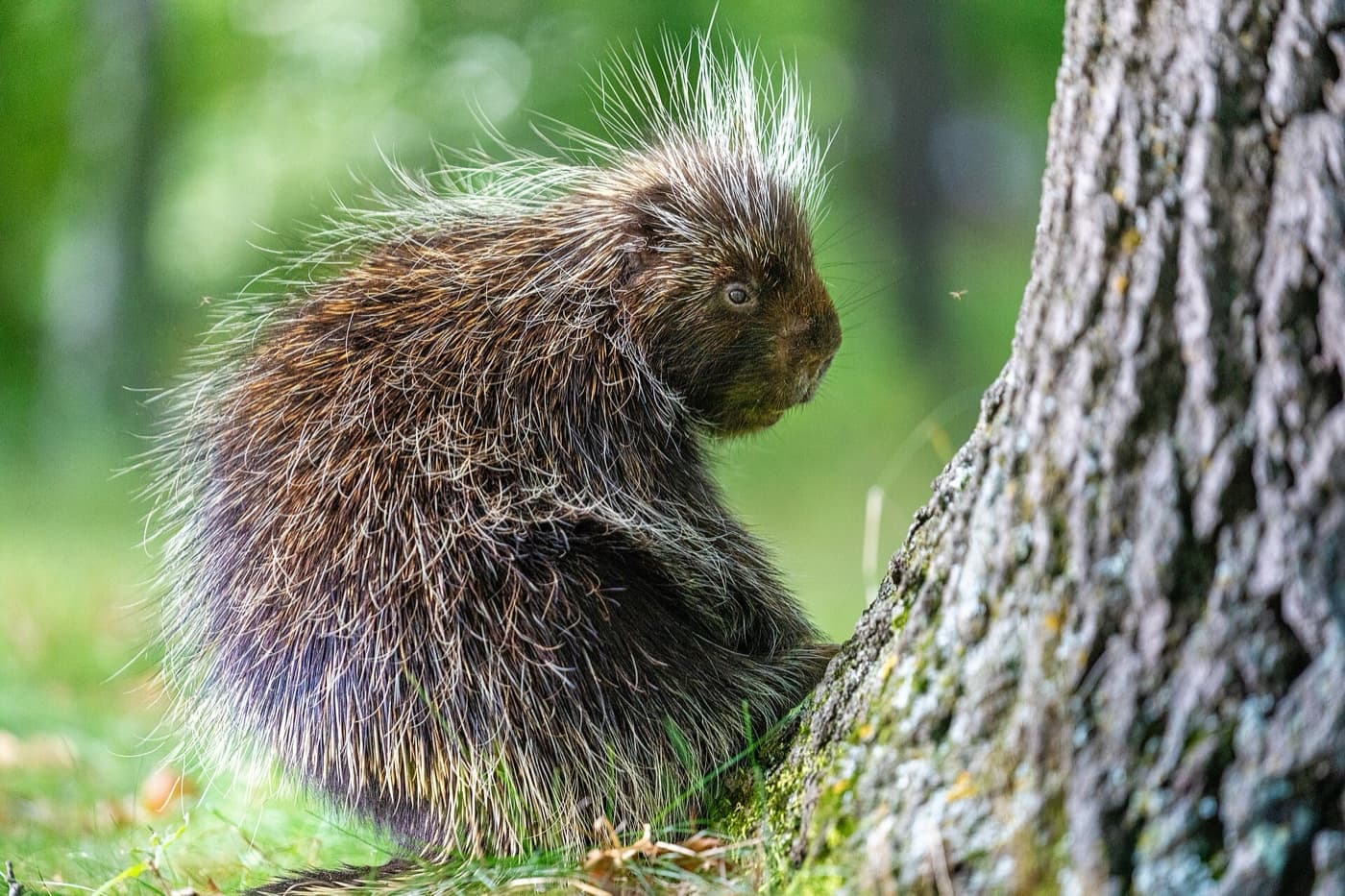
North American porcupine

Erethizon dorsatum

A slow-moving forest animal often detected by chewed bark, tracks, and the occasional encounter in rocky or wooded terrain.

Ruffed grouse image
Forest flush

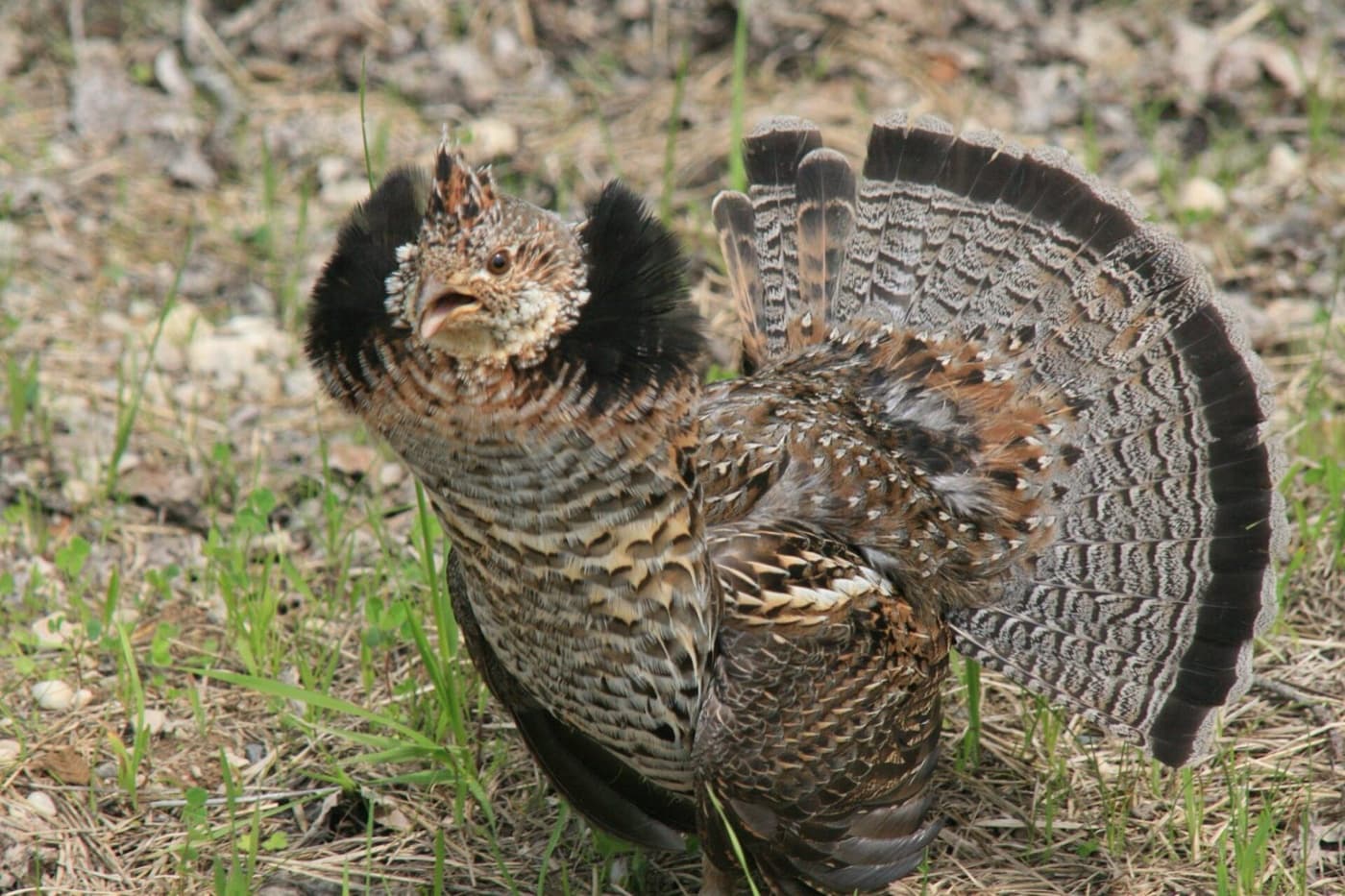
Ruffed grouse

Bonasa umbellus

A woodland bird that often explodes from cover at close range, making it one of the most startling wildlife encounters on trail.

North American river otter image
Water corridors

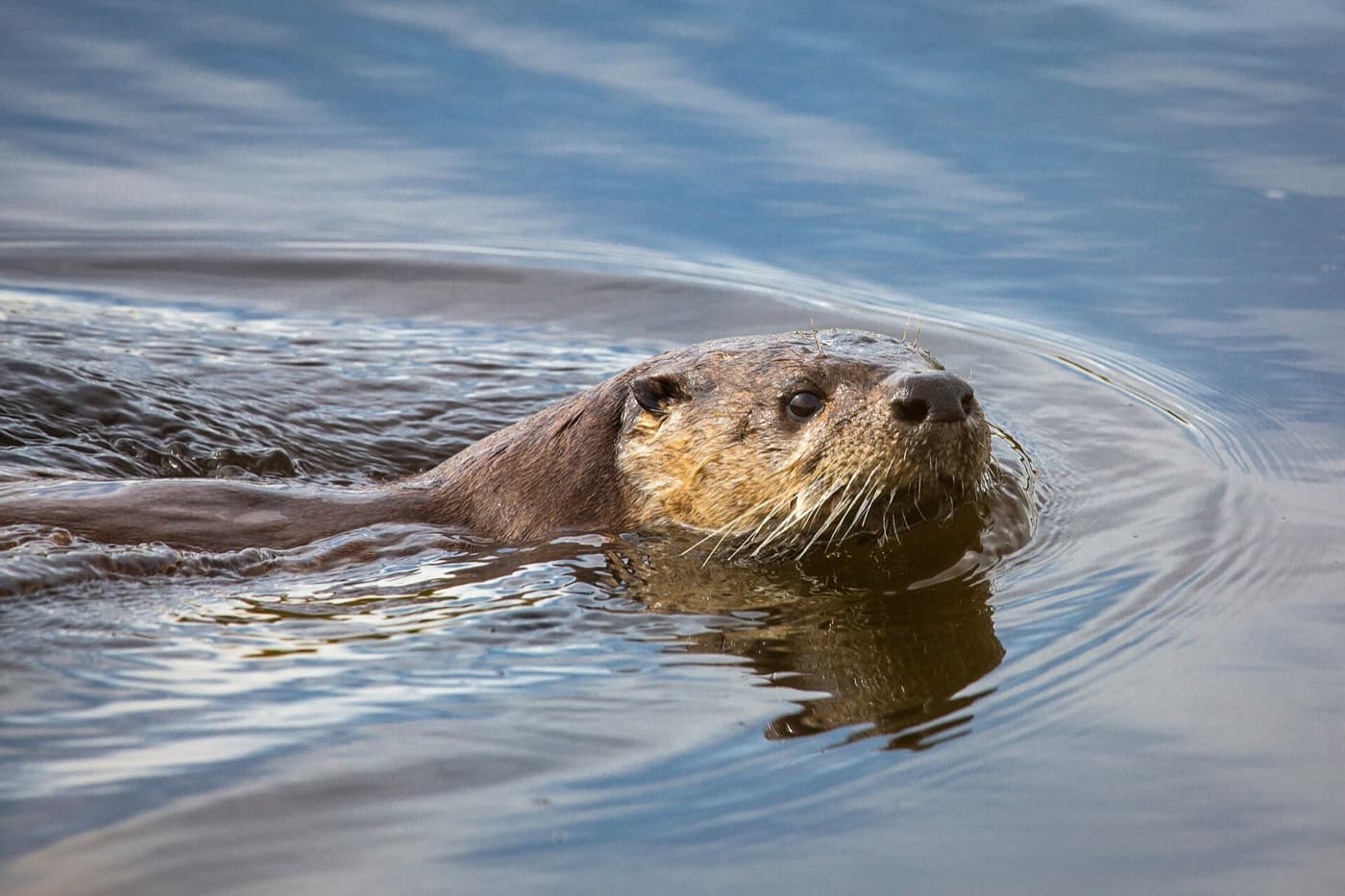
North American river otter

Lontra canadensis

A playful, streamlined predator of ponds, streams, wetlands, and lake edges, usually noticed near water rather than high summits.

Red squirrel image
Trail companion

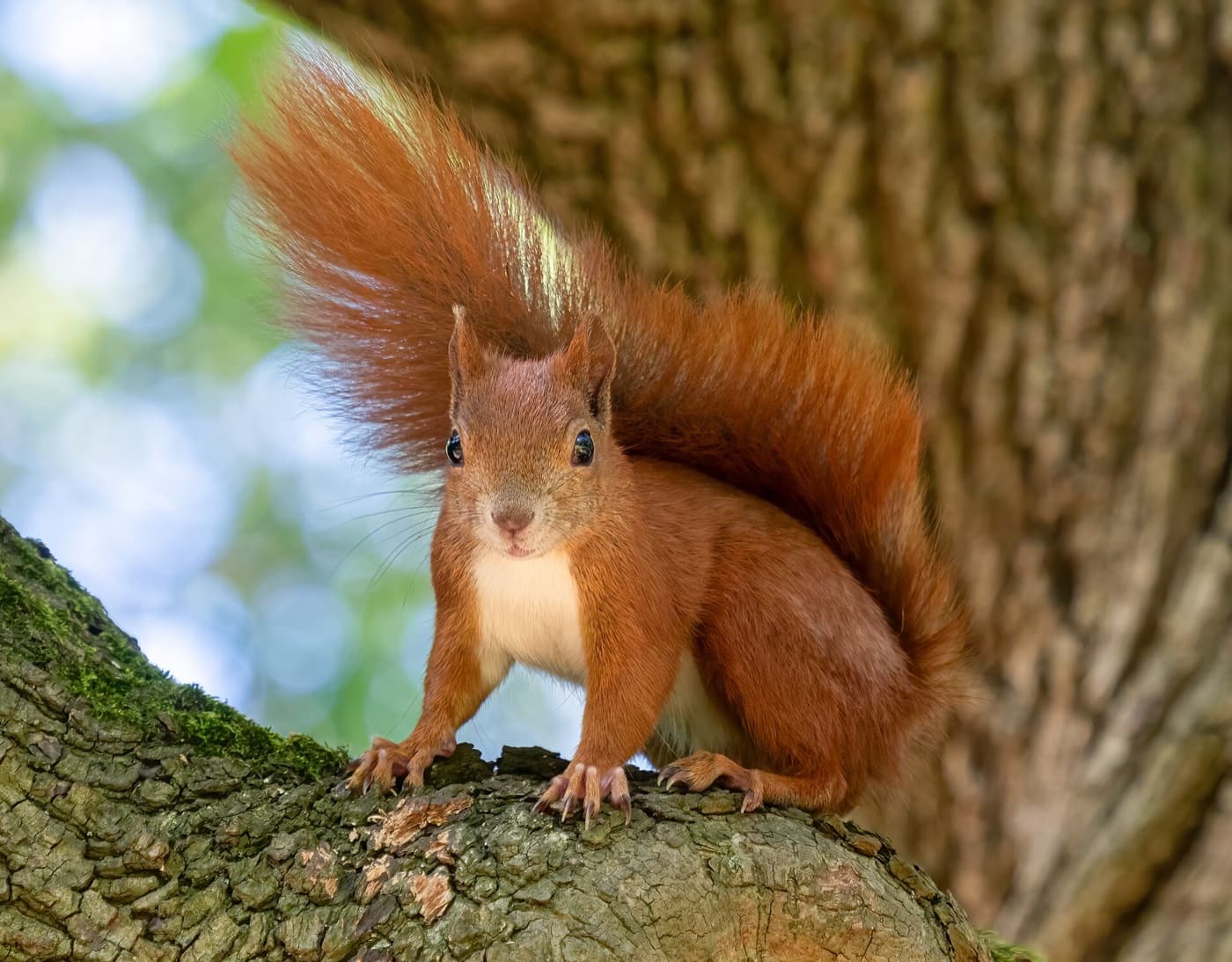
Red squirrel

Tamiasciurus hudsonicus

A loud, territorial conifer-forest regular whose chatter, cone piles, and quick movement are common along Adirondack trails.

Bald eagle image
Open water and sky

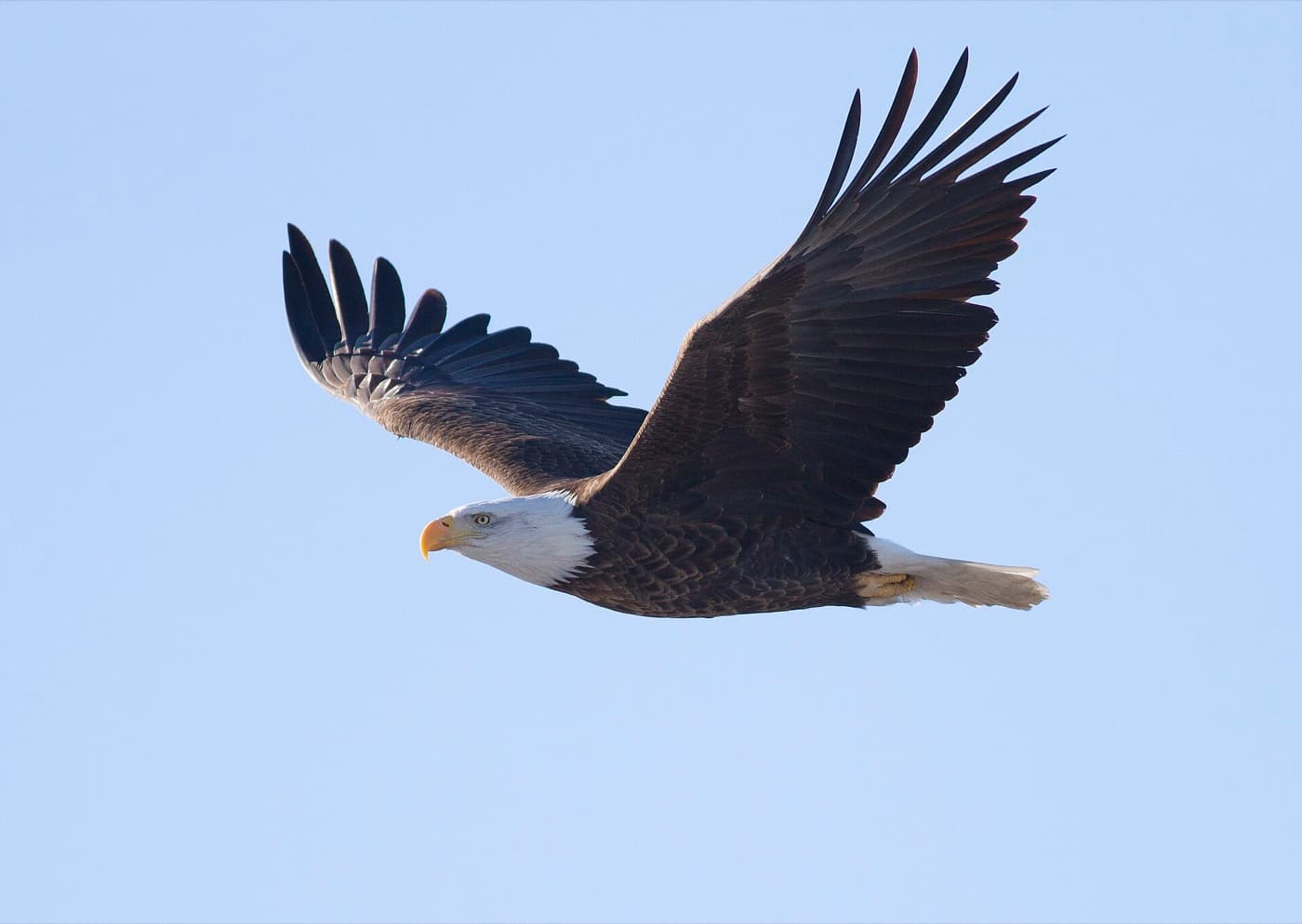
Bald eagle

Haliaeetus leucocephalus

Most often associated with lakes, rivers, and large open water, adding a broader wildlife layer beyond the summit forest.

Small life

The tiny things make the woods feel alive.

This section gives space to the trail-level details that are easy to miss: red efts after rain, butterflies in warm weather, moss on old logs, lichens on rock, fungi after wet weather, and amphibians around wet edges.

Red eft image
Amphibian

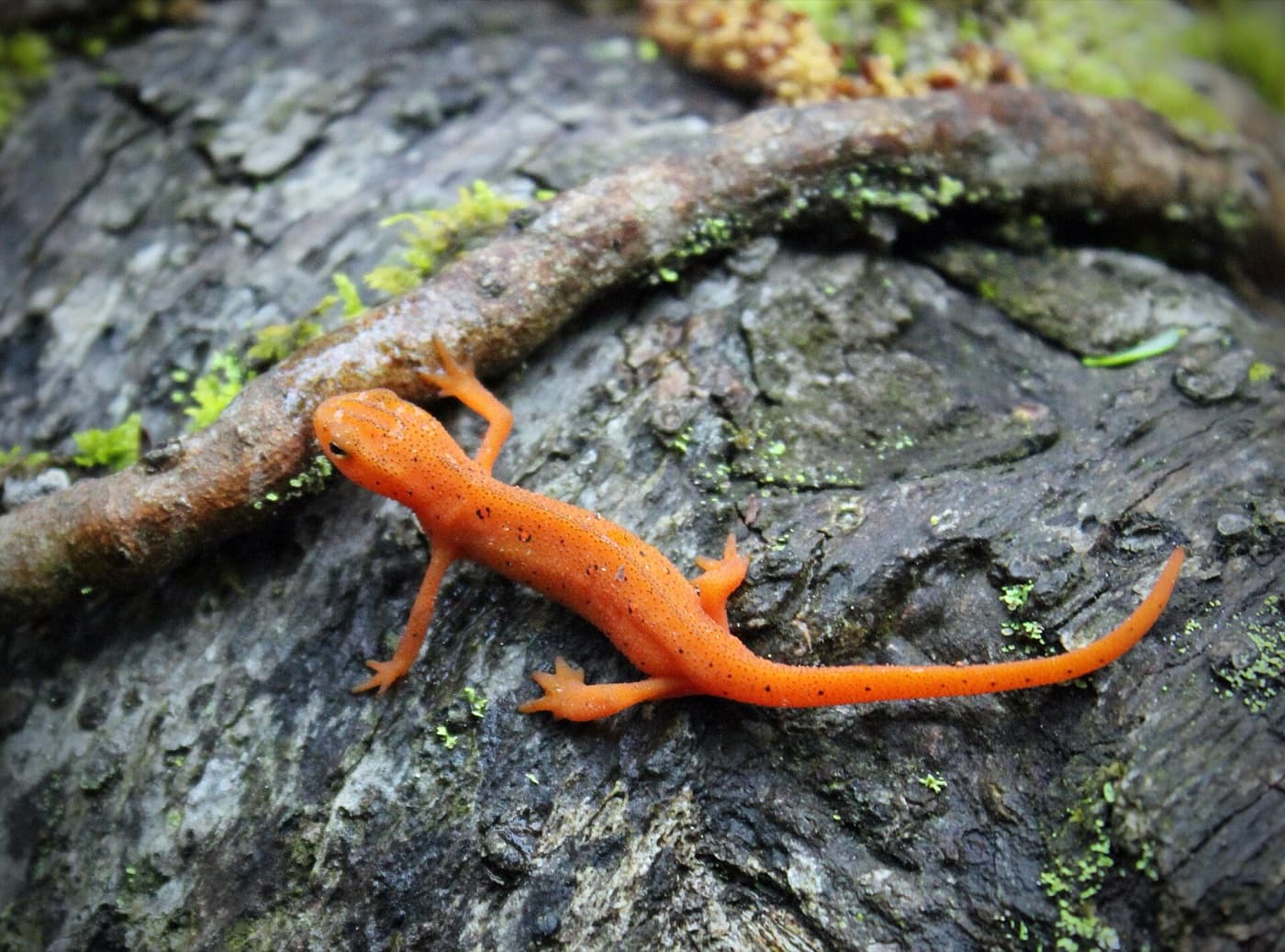
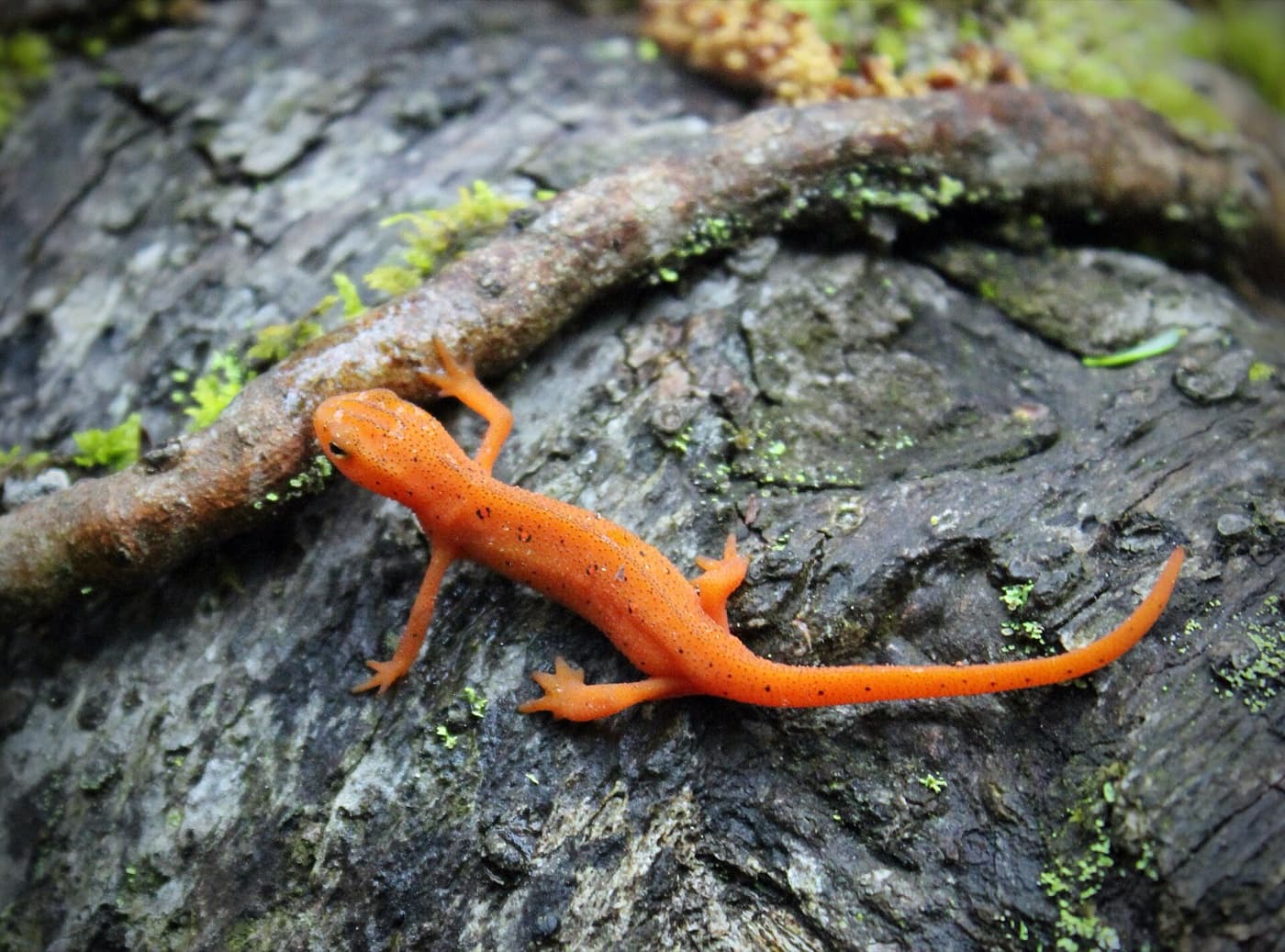
Red eft

Notophthalmus viridescens

The bright juvenile stage of the eastern newt, often seen crossing damp trails after rain.

Spring peeper image
Spring sound

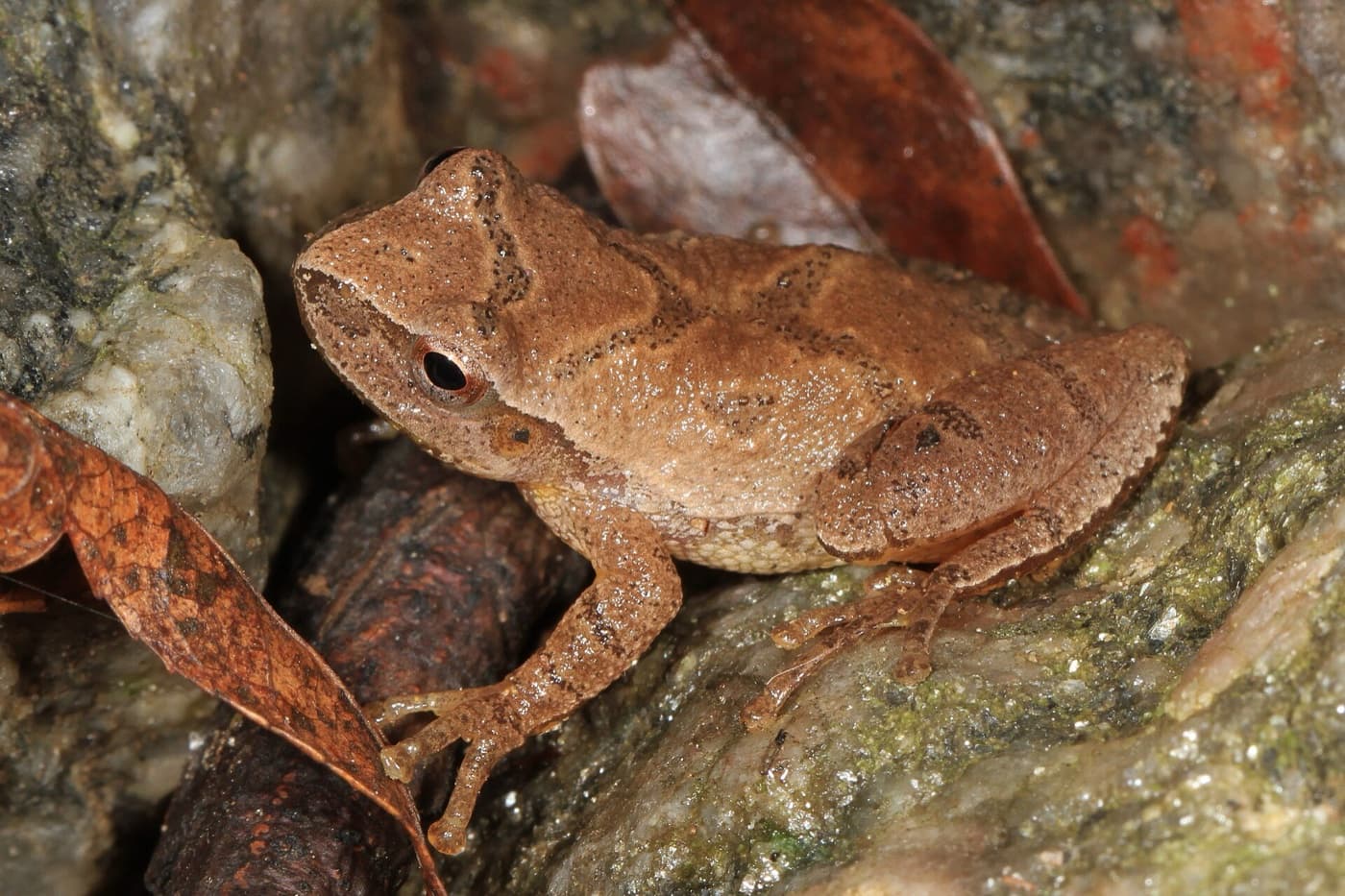
Spring peeper

Pseudacris crucifer

Around wetlands, roadside pools, and pond edges, amphibians make the thaw audible and give spring its own soundtrack.

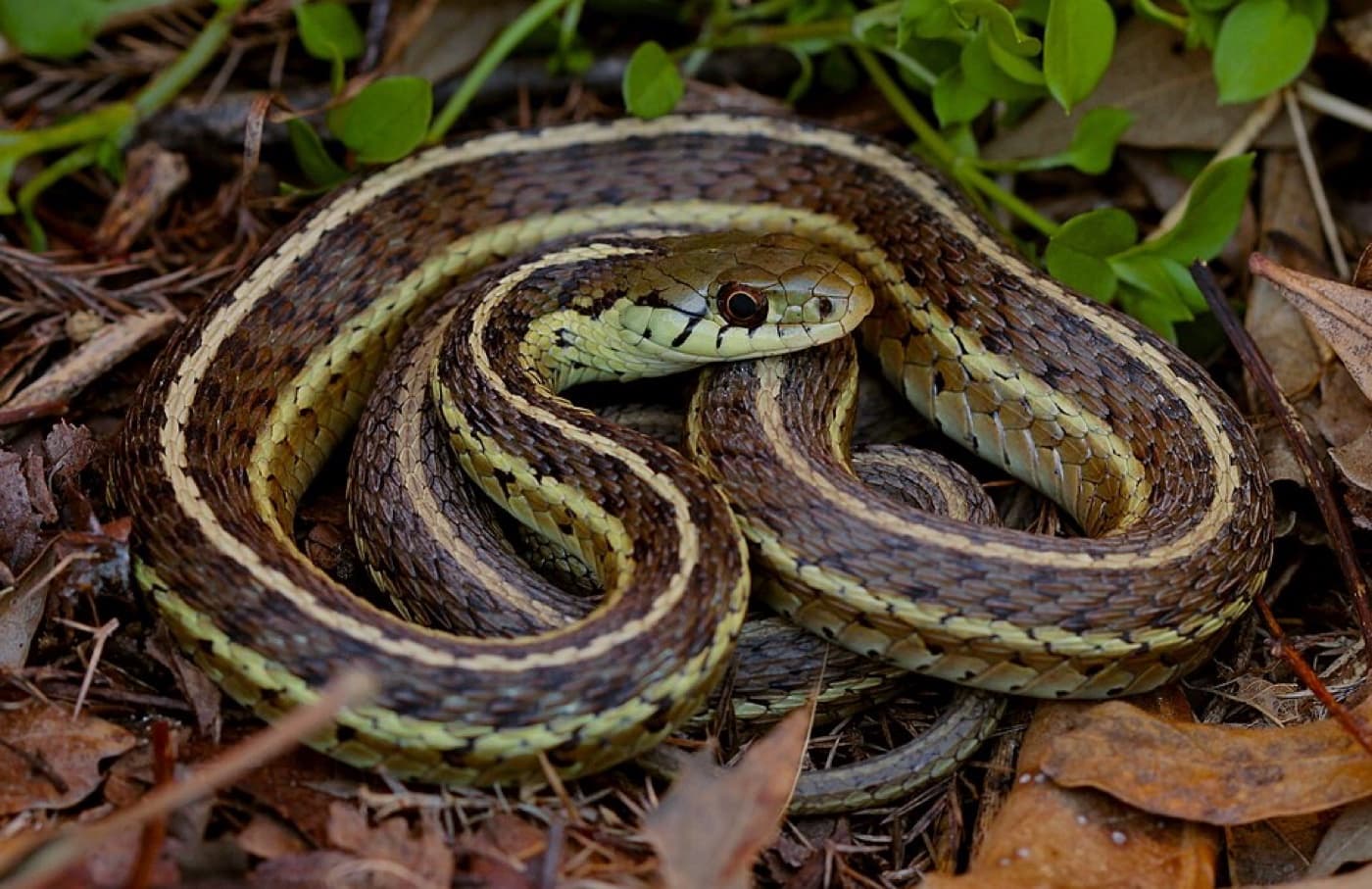
Eastern garter snake image
Trail edges

Eastern garter snake

Thamnophis sirtalis

A common Adirondack reptile often seen along warm trail edges, wetlands, rocks, roots, and open forest margins before slipping quickly back into cover.

Butterflies image
Summer color

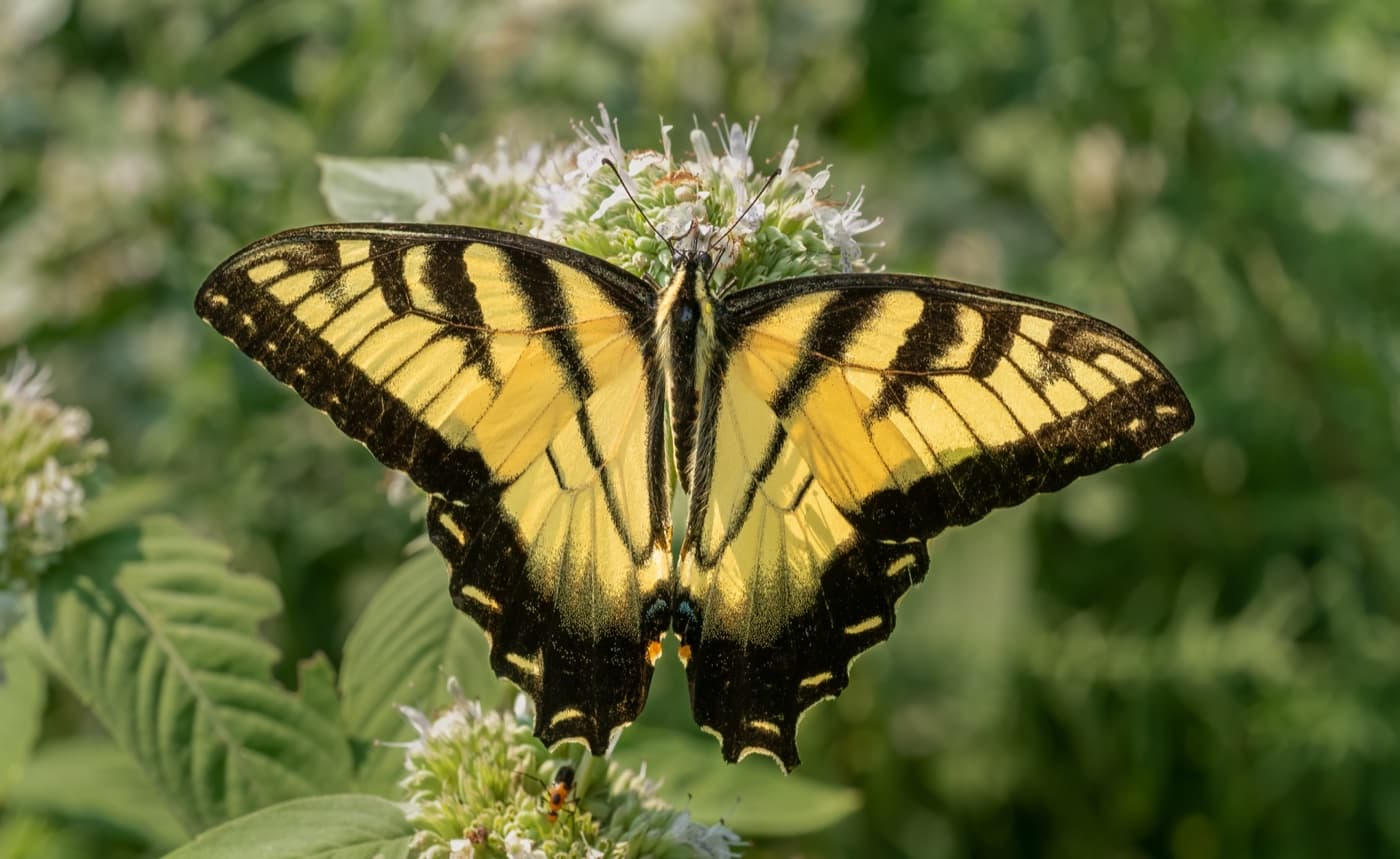
Butterflies

Lepidoptera

Butterflies bring short flashes of color to openings, wet trail edges, meadow margins, and milkweed patches during warmer months.

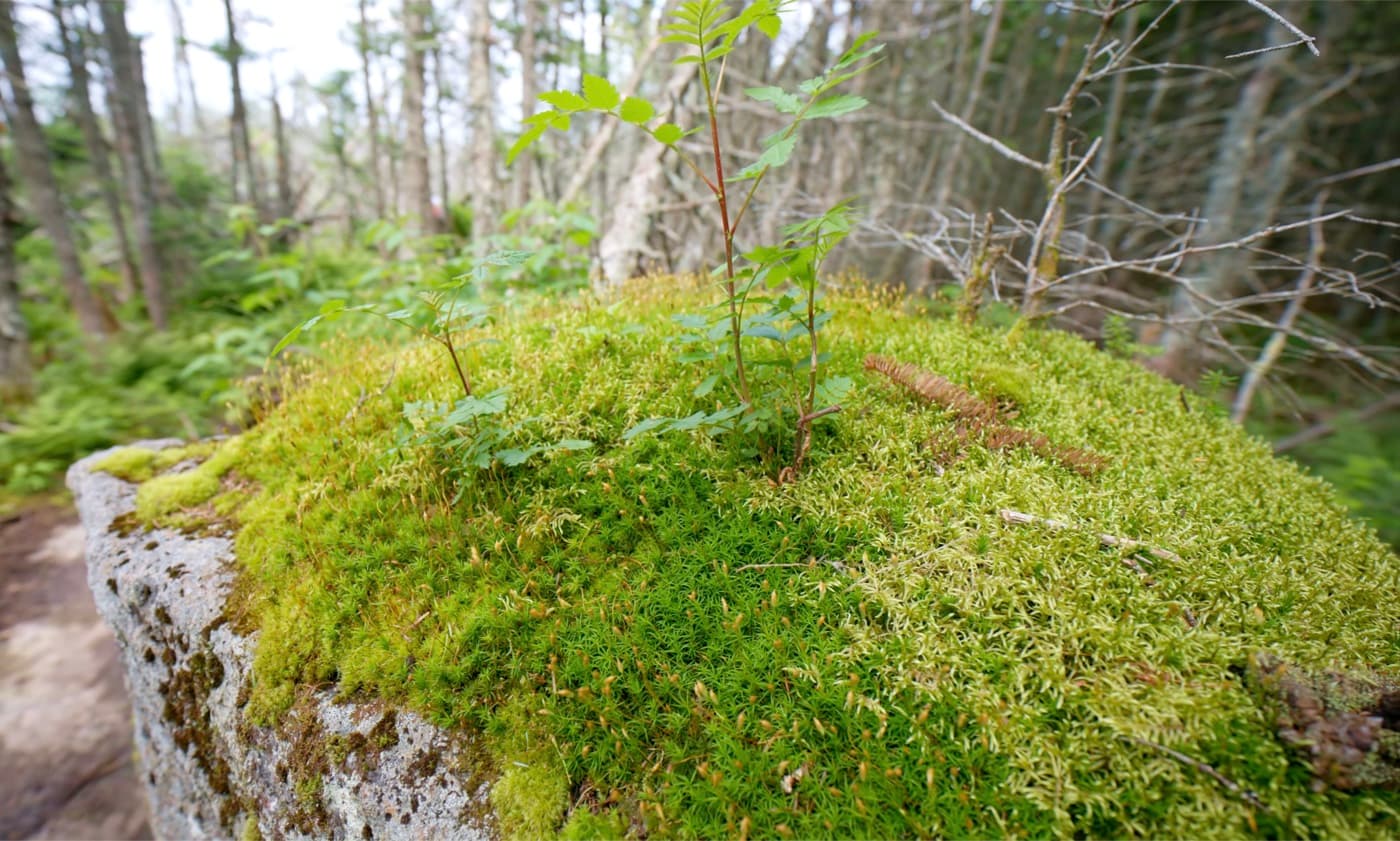
Mosses image
Forest floor

Mosses

Bryophytes

Moss softens rock, roots, logs, and shaded ground, helping give wet Adirondack forests their deep green texture.

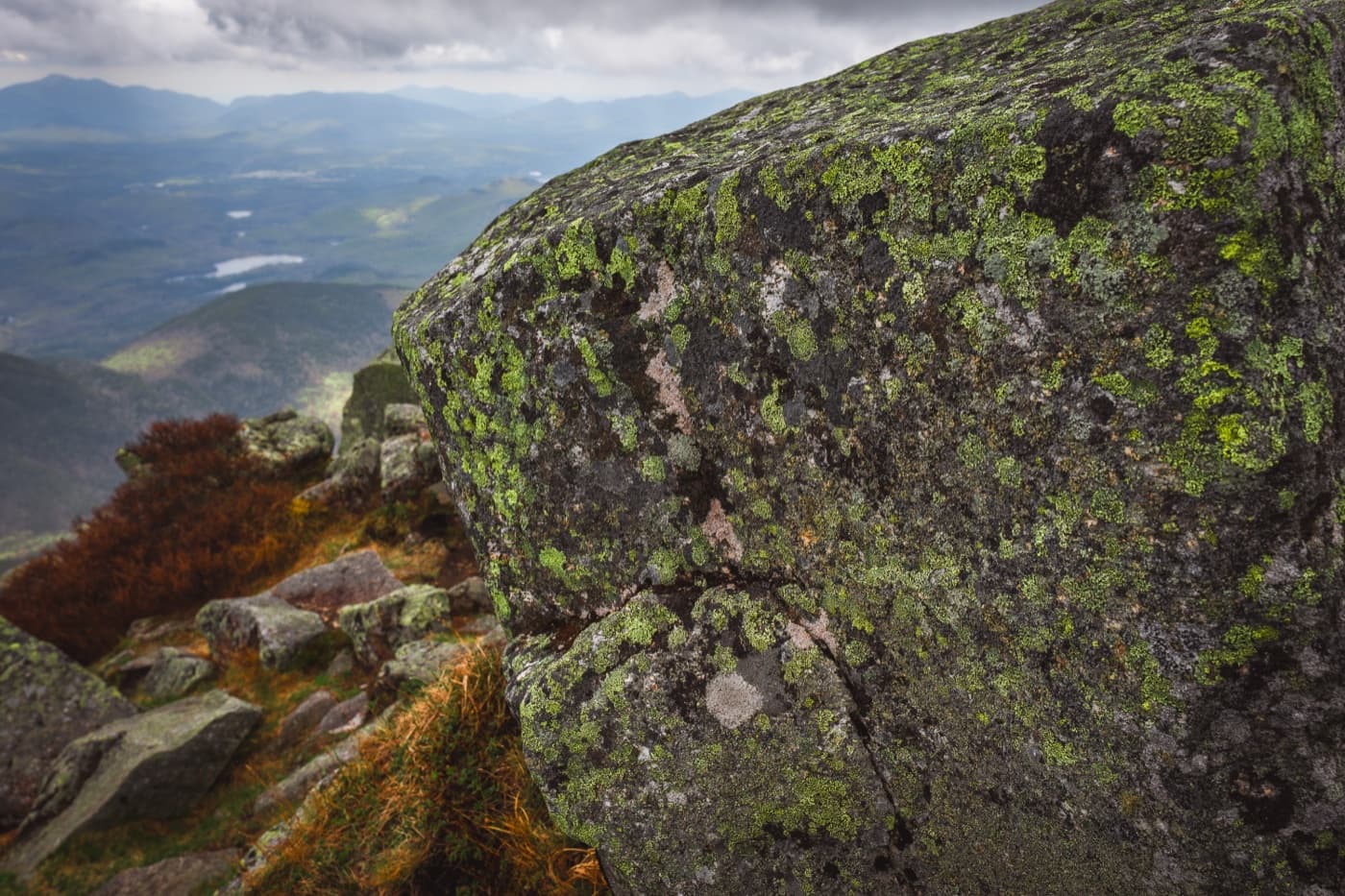
Lichens image
Rock and bark

Lichens

Symbiotic fungi and algae

Lichens grow across bark, boulders, ledges, and exposed summit rock, adding color and texture to otherwise bare surfaces.

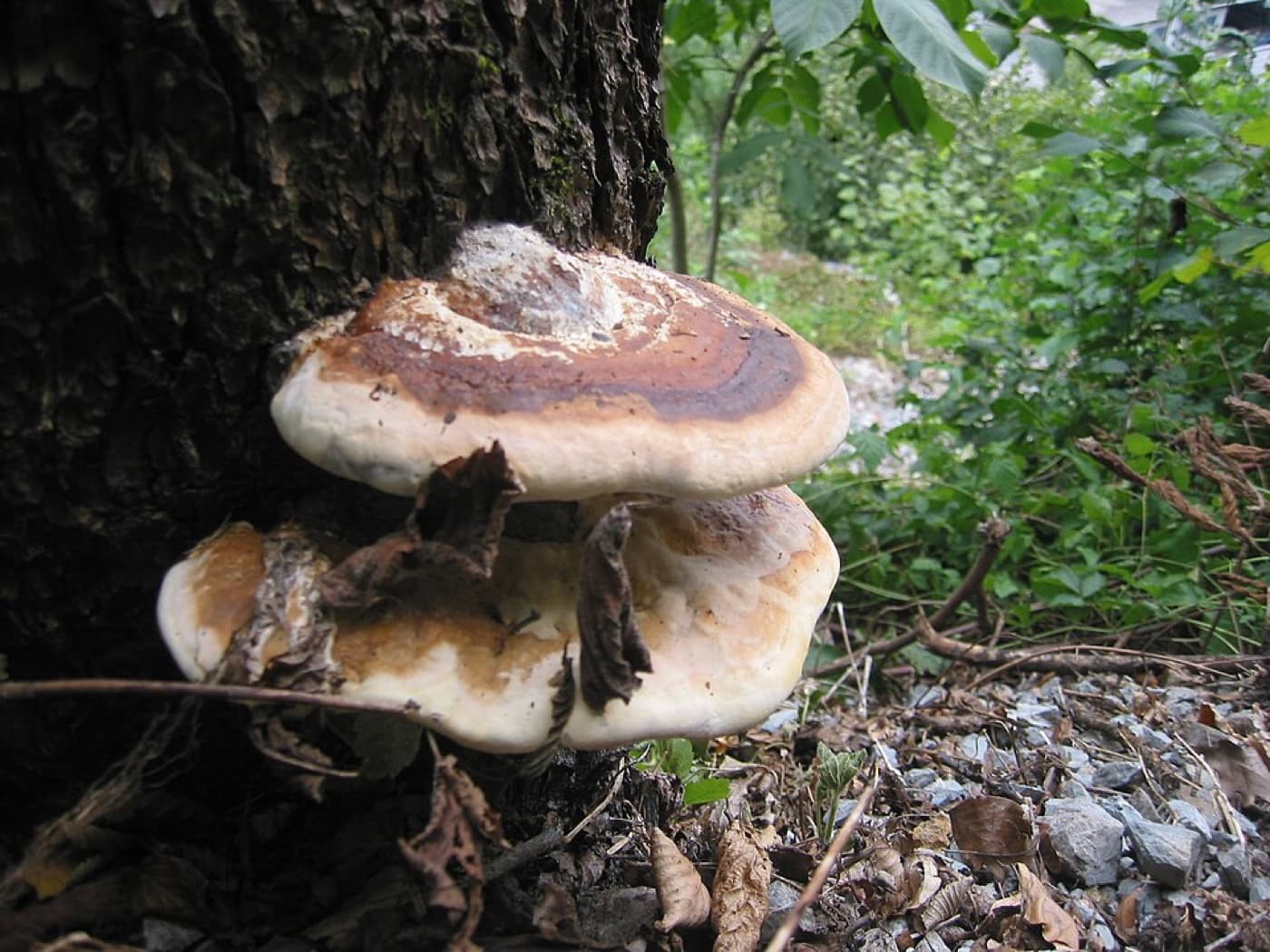
Fungi image
Decomposition

Fungi

Fungi

Mushrooms and shelf fungi help break down wood and recycle nutrients, especially in damp forest and rotting-log habitat.

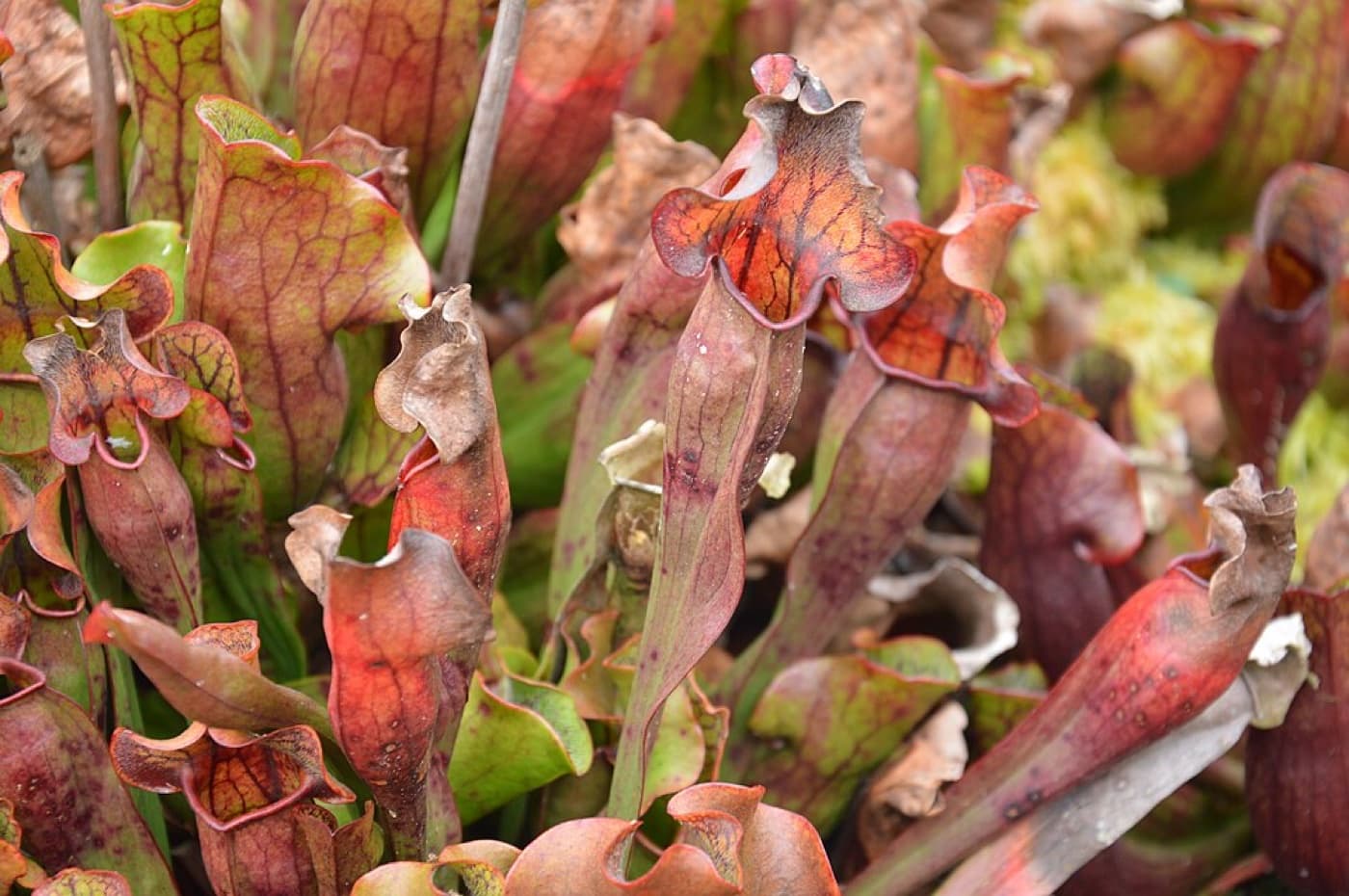
Carnivorous bog plants image
Bog specialists

Carnivorous bog plants

Sarracenia and Drosera

Pitcher plants, sundews, and related bog species survive in nutrient-poor wetlands by drawing nutrients from insects.

Clubmoss image
Ancient plant line

Clubmoss

Lycopodiaceae

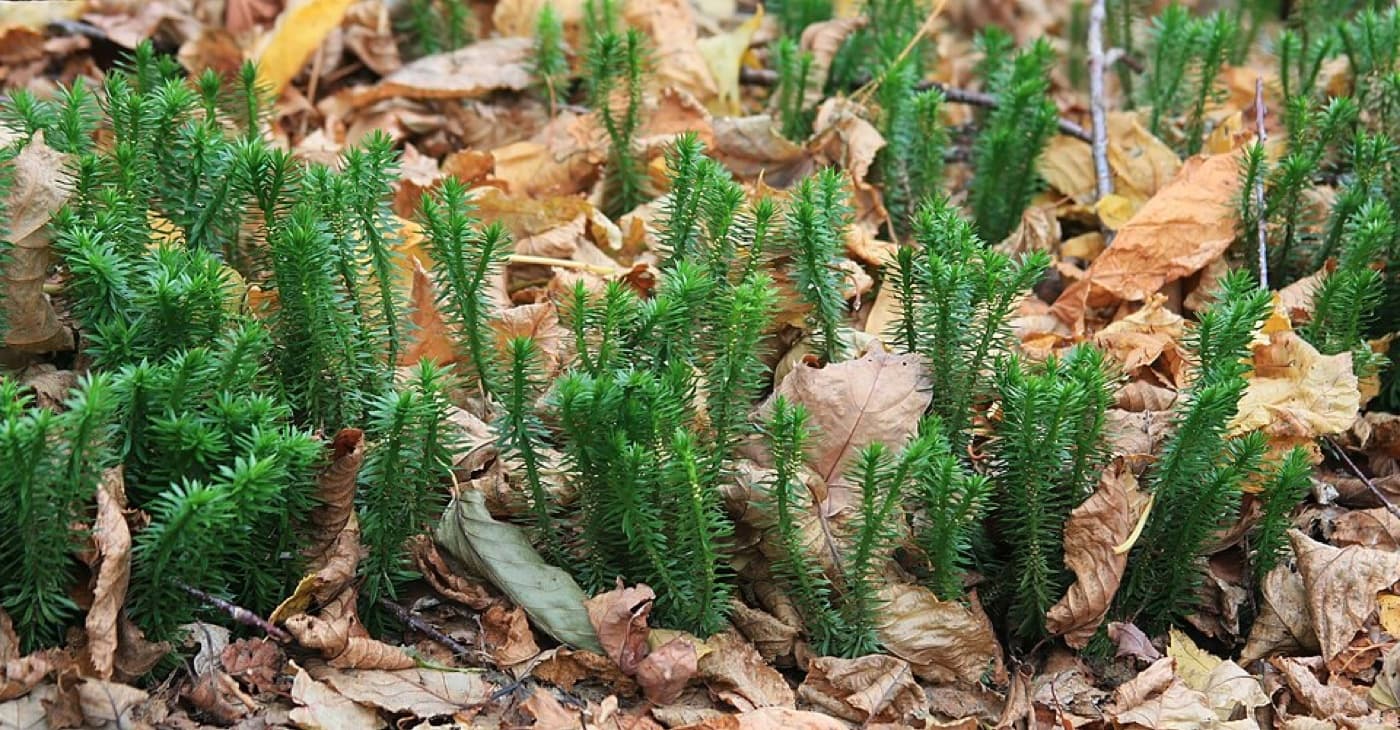
Low evergreen clubmosses trace old plant lineages and often appear along shaded forest floors and mossy trail margins.

Seasonal life

The same trail feels biologically different every season.

Seasonal change is not just background color. It changes what hikers hear, notice, step through, and remember.

Spring seasonal card

Season

Spring

Wildflowers, peepers, wet woods, returning birds, and the first strong surge of forest sound and movement.

Summer seasonal card

Season

Summer

Full canopy, butterflies, active wetlands, songbirds, insects, moss, and the thick green rhythm of the trail season.

Fall seasonal card

Season

Fall

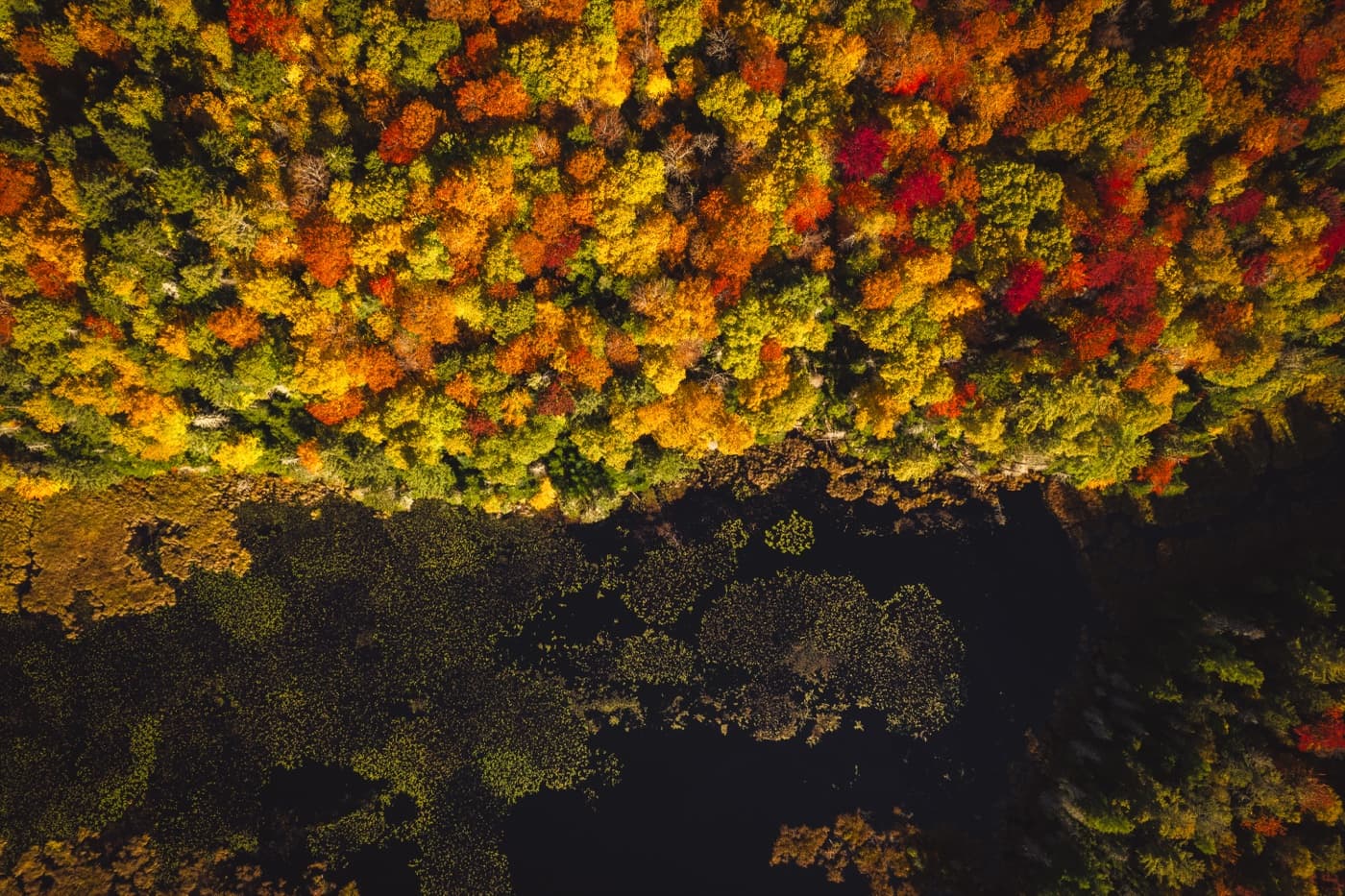
Foliage, fungi, migration, cooler nights, and quieter woods shaped by change, movement, and shorter days.

Winter seasonal card

Season

Winter

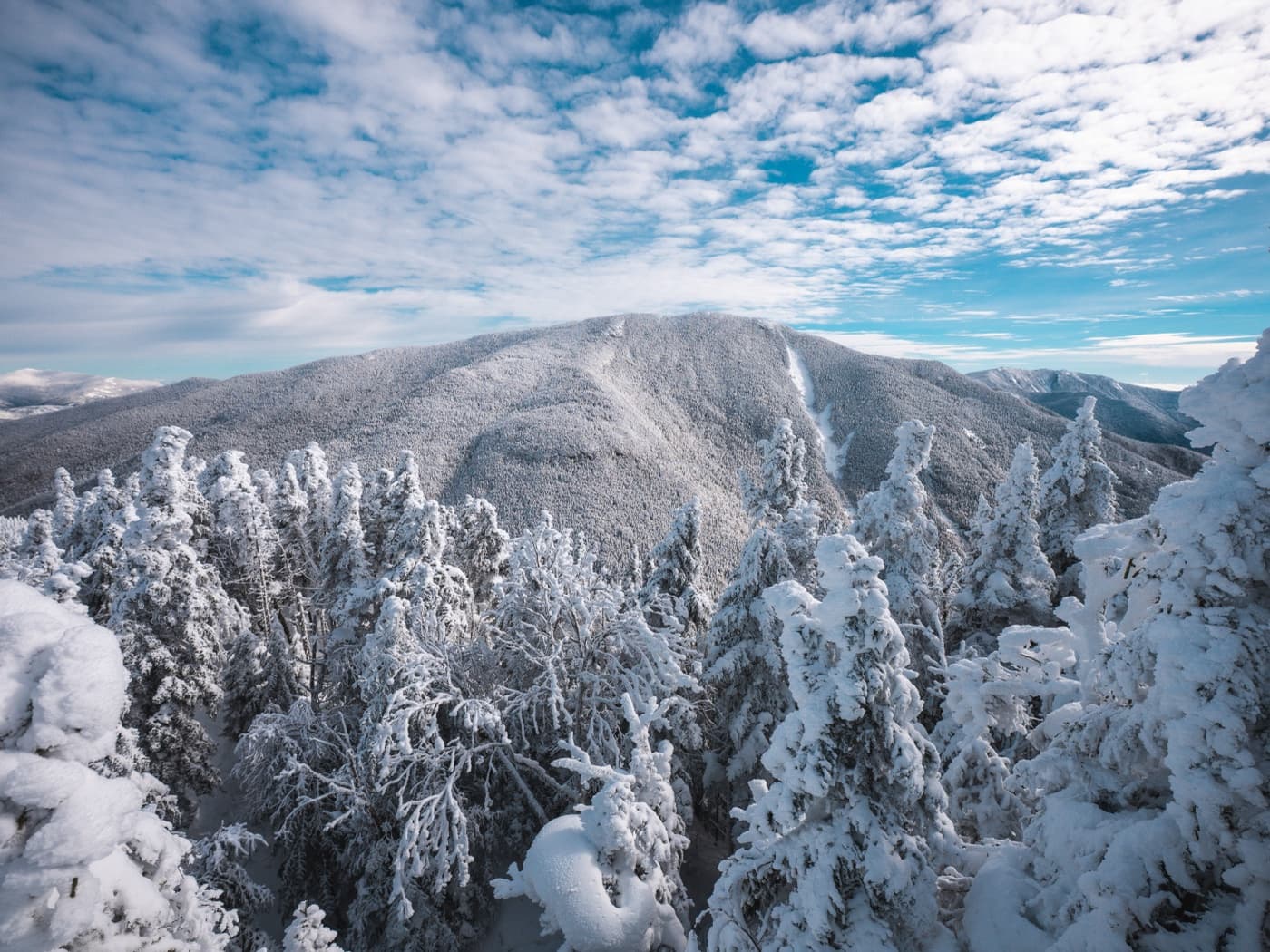
Tracks, conifers, survival signs, and a stripped-down view of how life persists when snow reveals what leaves conceal.

Field Guide close

See more when you hike slower.

The Adirondacks become richer when the trail is more than a route to a summit. Birds, moss, tracks, fungi, tree transitions, summit plants, wetlands, and small signs of life turn a hike into a deeper way of reading the Park.