Before You Go
Match the hike to forecast, daylight, trail condition, distance, elevation, and group ability.

Prepare
Build a safer hiking day before you reach the trailhead. Think through conditions, carry useful systems, and make conservative decisions in Adirondack terrain.
Core preparation framework
Most hiking problems are easier to manage early. Build the day around conditions, group ability, route margin, and the choice to adjust before the hike turns complicated.
Field readiness
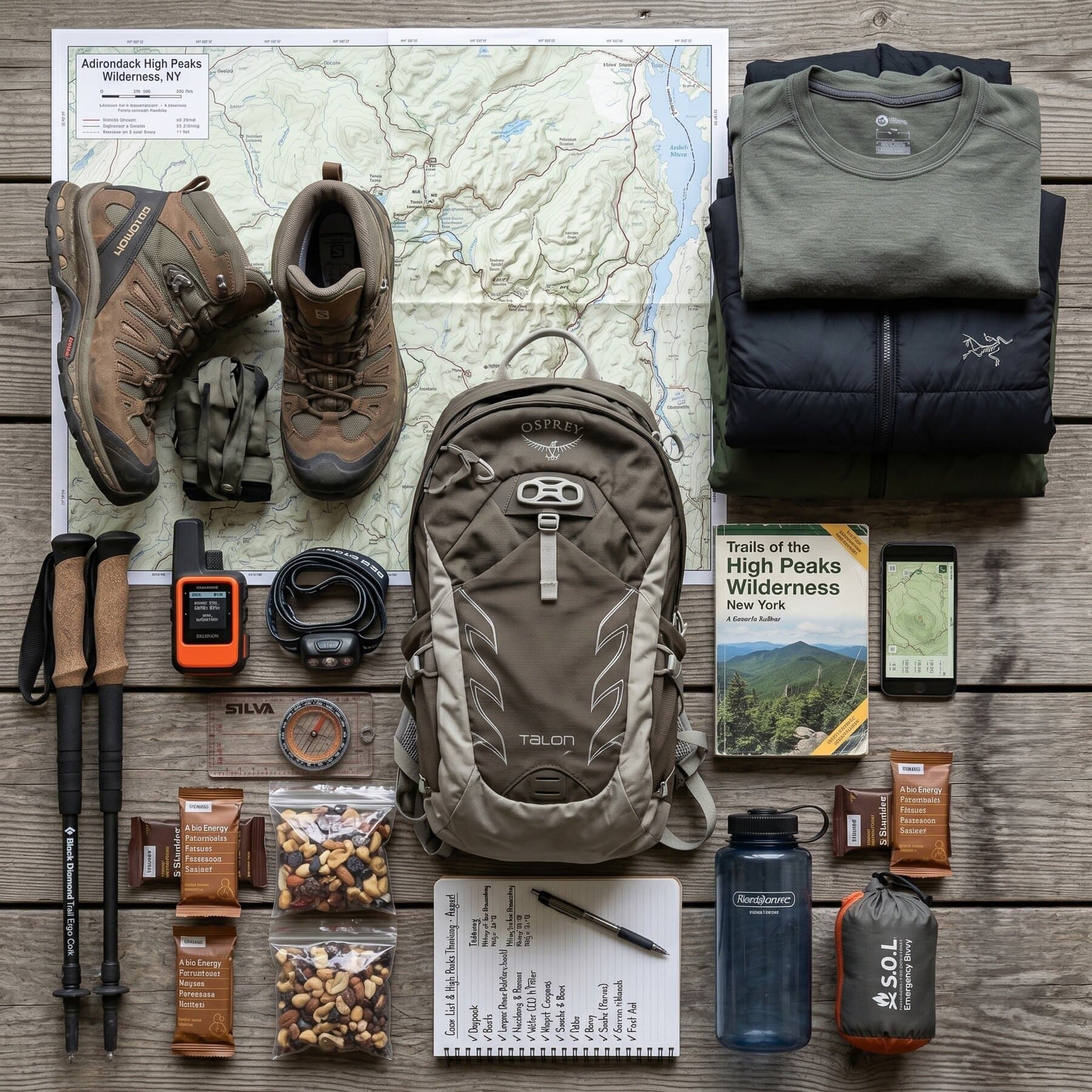
Carry what helps you stay warm, dry, visible, hydrated, oriented, and able to stop or turn around before the situation gets worse.
Match the hike to forecast, daylight, trail condition, distance, elevation, and group ability.
Track pace, water, body temperature, clouds, footing, fatigue, and return time.
Thunder, injury, soaked layers, poor visibility, slow pace, or group exhaustion should change the plan.
Decision rule
If the day depends on perfect weather, perfect pace, perfect footing, or cell service, choose a simpler hike or build in a stronger backup plan.
Gear Systems
Good preparation is not about carrying random gear. Each item should help solve a real field problem: staying warm, dry, found, fueled, or functional.
Carry layers that still help when wind, shade, rain, summit exposure, or delay cools the day down.
Use rain protection and dry backup layers so sweat, storms, or wet brush do not turn into exposure risk.
Use a map, compass, and offline route. A phone should not be your only navigation system.
Bring enough water, electrolytes, calories, and extra food for a slower than expected return.
Carry a headlamp, first aid, emergency shelter, whistle, repair basics, and enough battery margin.
Food and wildlife
Poor food storage teaches bears to associate hikers with food and can create dangerous encounters for people, bears, and future visitors.
Bear storage
Overnight campers in the Eastern High Peaks must use a bear-resistant canister from April 1 through November 30. Check current DEC rules before every overnight plan.
Bear storage
Food is only part of the problem. Toiletries, medication, garbage, pet food, and any scented item belong in proper storage when camping in bear country.
Bear storage
On day hikes, keep packs close, secure snacks and trash, and never leave food unattended at viewpoints, camps, lean-tos, trailheads, or summits.
Navigation note
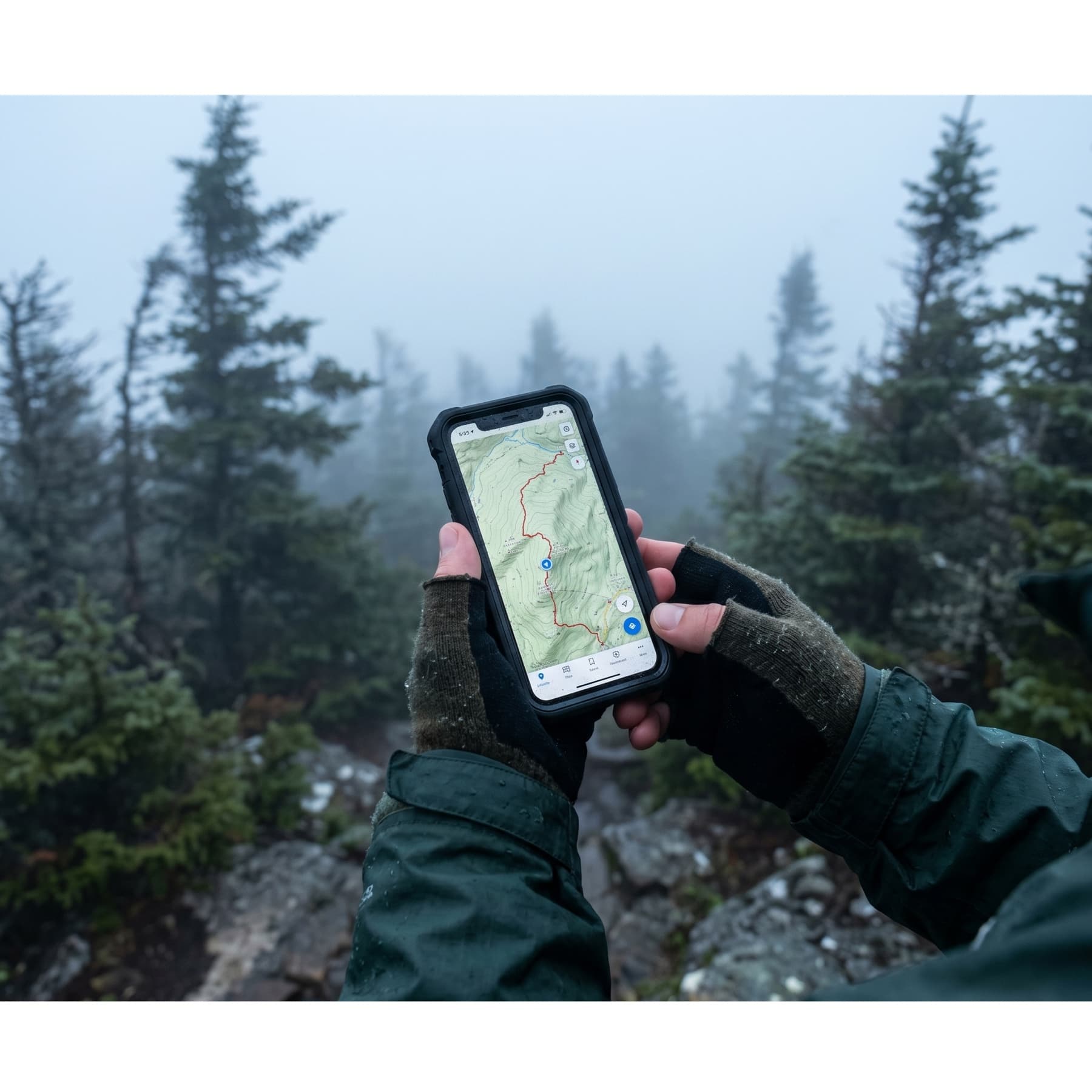
Know where you are going before starting. Use your phone as a backup and reference tool, not the system that determines the hike. Download maps in advance, carry an offline route or physical backup, and put your phone in airplane mode to conserve battery.
These are not reasons to avoid hiking. They are the patterns to account for before picking a route, start time, and backup plan.
Watch for
Slow down on slab, roots, bog bridges, ladders, and steep descents after rain or heavy humidity.
Watch for
Clouds, wind, thunder, cold rain, and poor visibility can change the safest choice quickly.
Watch for
Warm trailheads can still lead to cooler ridges, exposed ledges, towers, and summits.
Watch for
Distance from the car matters. Save enough strength, water, food, and daylight for the full return.
Watch for
Do not wait until you are confused to check the map. Know turns, junctions, and bailout options early.
Watch for
Full lots, road walks, reservations, and late starts can change the safest hike for the day.
Readiness Flow
Before choosing a route or packing for the day, make sure your plan covers the problems that most often turn Adirondack hikes into serious situations.
Step 1
Check weather, daylight, trail condition, parking, water, and the hardest part of the route before choosing the hike.
Step 2
Pack for warmth, rain, water, food, navigation, light, first aid, and delay, even on a simple day hike.
Step 3
Change route, shorten the day, or turn around before a small issue becomes difficult to manage.
Run this check while the group can still adjust the objective, add layers, download a route, or choose a shorter day.
Next step
After checking conditions, gear systems, navigation, and group readiness, return to Explore and pick an objective that fits the actual day.