
Start with a realistic objective
Match the hike to conditions, daylight, route difficulty, and the least prepared person in the group.

Prepare
Know how to respond if someone gets hurt, lost, cold, delayed, or unable to continue. Prepare before the emergency decides the plan for you.
Emergency contact
1-833-NYS-RANGERS(1-833-697-7264)
For immediate danger, call 911. For Forest Ranger assistance, use the DEC dispatch number above.
Use the statewide DEC Forest Ranger number for search and rescue, wildfire, or backcountry assistance when service allows. Keep your location, route, group size, and condition details ready.
Rescue context
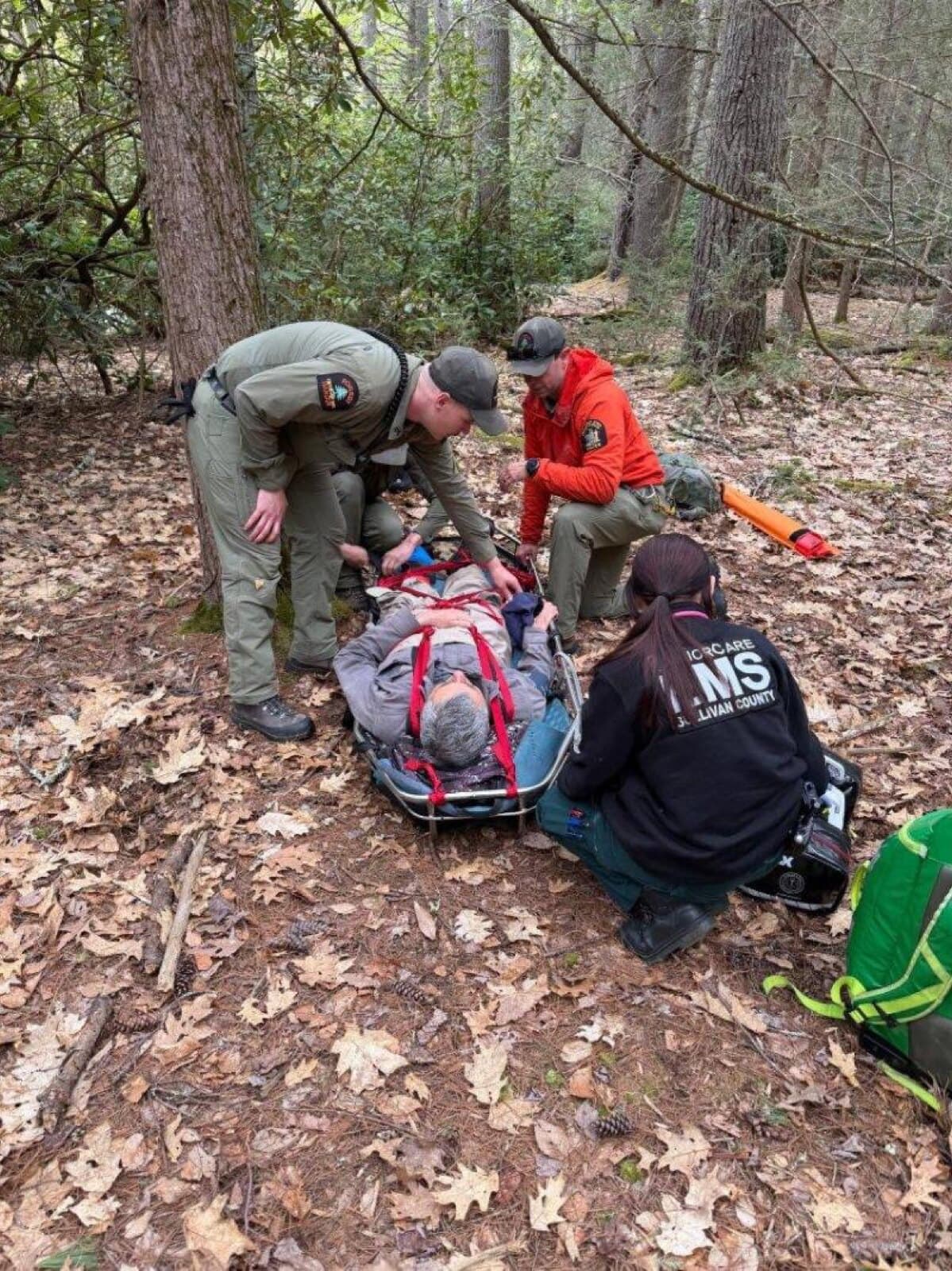
Rescues are not only beginner mistakes. They can begin with one slip, one wrong turn, one late start, or one decision to keep going after the plan has already changed.
Ranger reality
DEC reported 362 Forest Ranger search and rescue missions statewide in 2025, including incidents in rugged Adirondack terrain.
Slips, falls, sprains, fractures, or sudden injury
Getting lost, off-route, or unable to follow the trail back
Running out of daylight, energy, food, water, or battery
Weather exposure, cold rain, heat stress, or hypothermia risk
Group pace, fitness, or preparation not matching the route
Starting too late or continuing after clear warning signs
Prevention
The goal is not to avoid every hard thing. The goal is to recognize when the day is no longer matching the plan and adjust before help is needed.
Match the hike to conditions, daylight, route difficulty, and the least prepared person in the group.
Warmth, rain protection, navigation, water, food, light, first aid, and emergency shelter all serve a purpose.
Thunder, injury, soaked layers, low daylight, poor visibility, or a slow group should change the plan early.
First aid carry
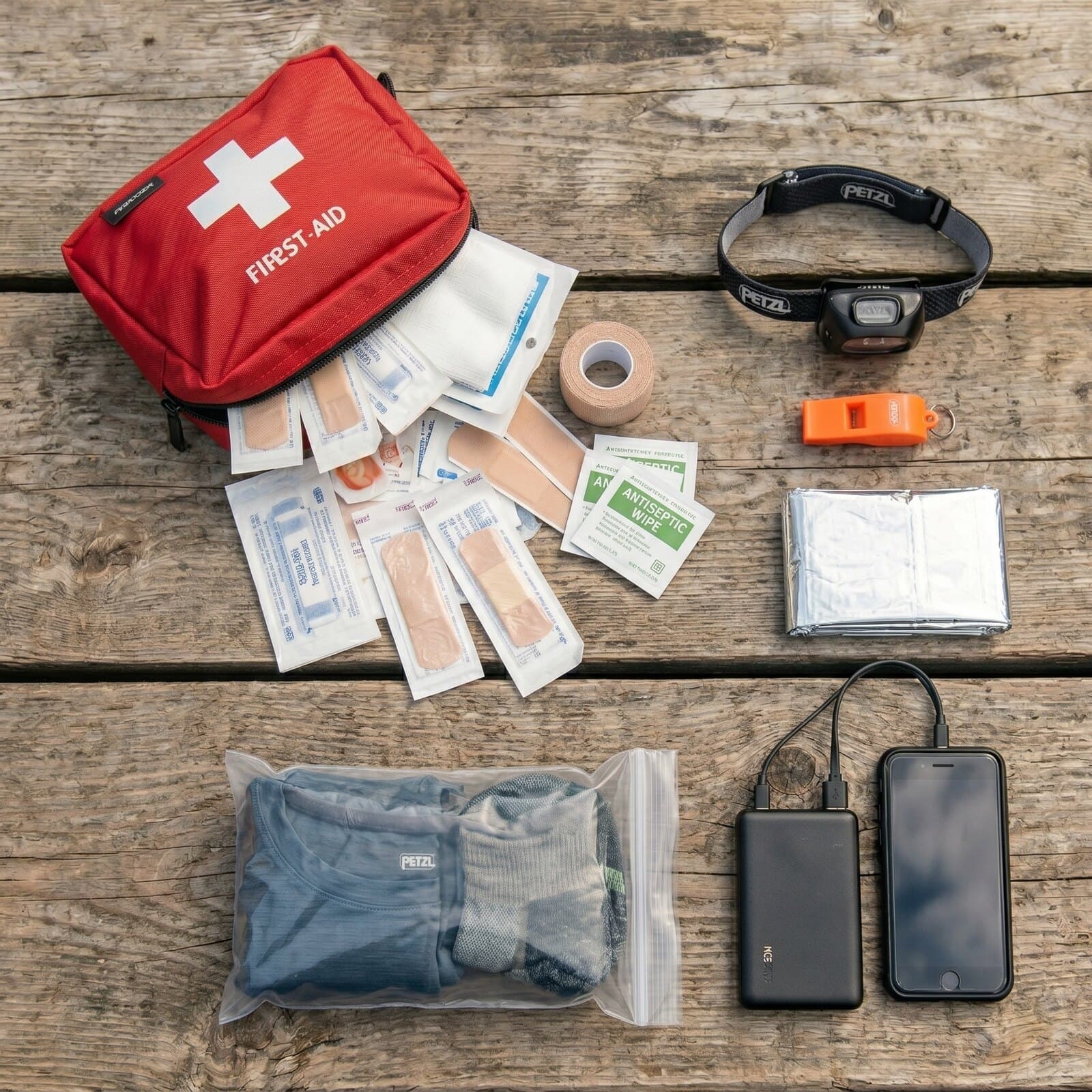
A small kit cannot solve every emergency, but it can help stabilize common problems long enough to turn around, stay warm, or wait for help.
Decision cards
When the route, weather, injury, daylight, or group condition has already changed, use these prompts to slow down and choose the safer response.
Emergency decision
Call 911 for immediate danger, serious injury, rapidly worsening exposure, or anyone who cannot safely continue. Use DEC Ranger Dispatch for backcountry search, rescue, wildfire, or ranger assistance when service allows.
Emergency decision
If lost, off-route, injured, or confused, stop moving. Check your map, conserve battery, mark your location, and avoid turning one mistake into several.
Emergency decision
If there is no service and someone must leave for help, one person should stay with the injured person when possible. Note the exact location before anyone separates.
Emergency decision
Be ready with location, route, trailhead, group size, injuries, weather, clothing colors, supplies, and whether the group can move or must wait.
Field response
These are first-response decision prompts for common Adirondack trail problems.
If this happens
Stop, stabilize the person, keep them warm and dry, mark your location, and call 911 or DEC Ranger Dispatch if evacuation may be needed.
If this happens
Stop moving, stay calm, check your map, conserve battery, and avoid making the problem bigger by wandering farther.
If this happens
Leave ridges, ledges, fire towers, exposed summits, and water. Add layers early and choose the safer exit.
If this happens
Stay together when possible, preserve warmth, signal clearly, share your location, and communicate the exact problem.
Solo and group hiking
You need more margin because there is no immediate partner to help with injury, navigation, warmth, communication, or decision making. Experienced hikers can still fall, get sick, lose the route, or get stuck out late.
Groups are safer only when the group is prepared. Someone should clearly own navigation, pace, turnaround timing, and checking that every person has the gear and ability for the day.

Next step
Review conditions, gear, route planning, and group readiness before committing to the hike.