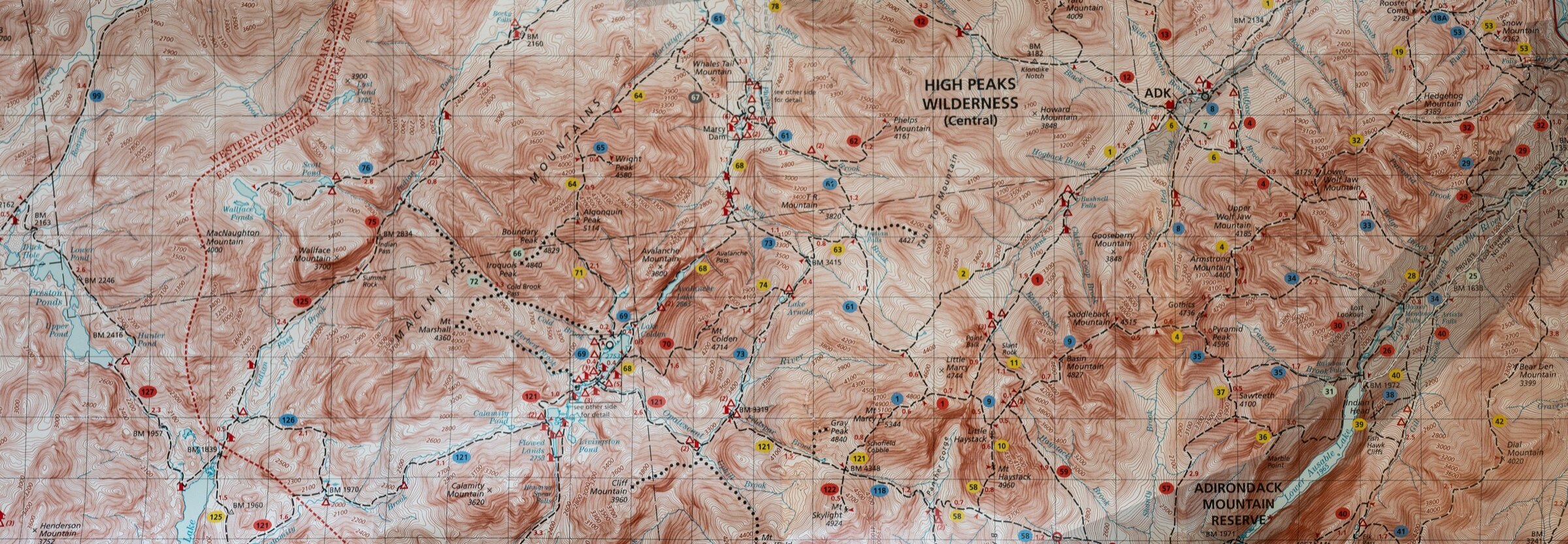
Know the route
Check the route before you drive. Know key junctions, mileage, elevation, exposed sections, and the return path.

Prepare
Make the hike safer before anyone steps onto the trail. Know the route, check the day, set a backup plan, and tell someone enough information to act if needed.
Go / no-go framework
A better hike starts before the trailhead. Use this as a fast decision check before committing to the drive, the route, or the summit.
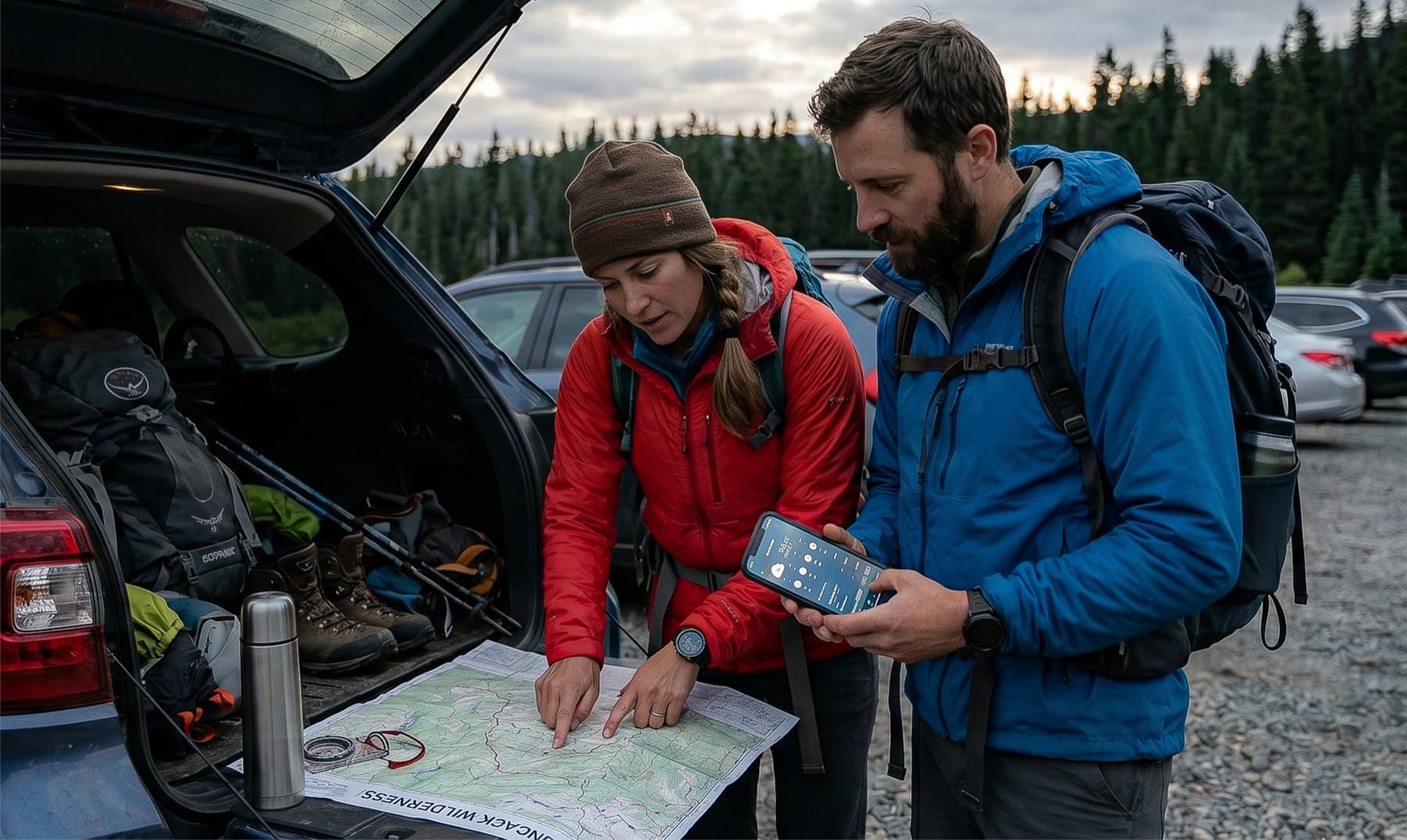
Before you commit
If the forecast, parking, daylight, route, or group ability does not match the objective, pick a shorter hike, a different trailhead, or another day.
Does the route fit the forecast, daylight, and current trail conditions?
Do you know the trailhead, parking situation, route, junctions, and return plan?
Does the hike fit the least prepared person in the group?
Do you have a shorter backup option if the day changes?
Route planning
Do not rely on a vague destination name. Know the route, the trailhead, the hard parts, and how long the return should take.
Check the route before you drive. Know key junctions, mileage, elevation, exposed sections, and the return path.
Look at weather, daylight, trail notices, mud, water, heat, cold, storms, and the conditions that could change the objective.
Pick a time or location where the group will reassess before continuing. Do not wait until the problem is obvious.
Informing others
A useful trip plan is specific. Send these details before driving into poor service so someone knows when and where to act if you do not return.
Destination and route
Trailhead and parking location
People in the group
Vehicle description
Expected start and return time
When they should become concerned
Itinerary rule
Share the plan before driving into poor coverage. A message that fails at the trailhead does not help anyone if you are late.
Itinerary rule
Give someone a specific time to expect you back, plus a later time when they should start trying to reach you or call for help.
Itinerary rule
Tell your contact when the hike is finished. Otherwise, a good safety plan can turn into unnecessary worry or confusion.
Simple rule
Build in time, weather, pace, parking, and group margin. A shorter hike that fits the day is better than a bigger hike that depends on everything going right.
Next step
Once the plan is realistic, check the gear systems and emergency basics that keep small problems from becoming bigger ones.