Prepare

Rules, Regulations & Trail Etiquette

Understand the rules before you hike. Adirondack regulations change by land classification, management unit, elevation, access agreement, and posted notice.

Adirondack land classification and trail rule context

Rules & regulations

Wilderness vs. Wild Forest: what's the difference?

Adirondack rules are not the same everywhere. Land classification changes what is allowed, how camping works, and how strict the regulations are.

More restrictive

Wilderness

Wilderness areas are managed for a more remote, non-motorized experience. Rules are usually stricter, especially around drones, bikes, fires, camping, and group size.

Examples: High Peaks Wilderness, Siamese Ponds Wilderness, Five Ponds Wilderness, Giant Mountain Wilderness.

See Wilderness Regulations

More flexible, not unrestricted

Wild Forest

Wild Forest can allow a broader mix of recreation and access. That does not mean anything goes. Local rules, posted signs, permits, closures, and DEC guidance still control.

Examples: Saranac Lakes Wild Forest, Moose River Plains Wild Forest, Black River Wild Forest, Lake George Wild Forest.

See Wild Forest Regulations

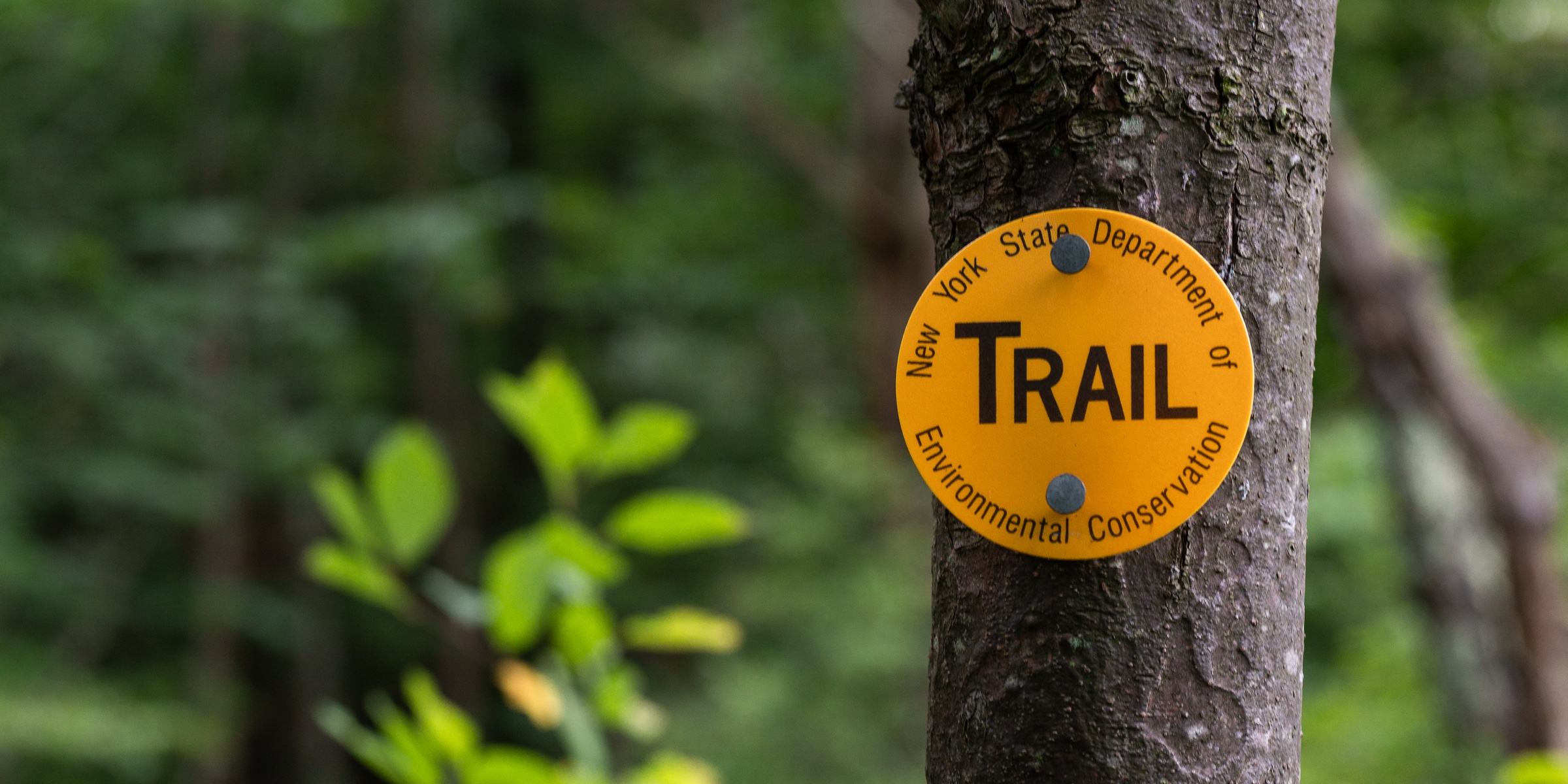
Current rule standard

If older guidebooks, proposed High Peaks terminology, online summaries, posted signs, and DEC pages differ, follow the current DEC page, posted sign, or Forest Ranger guidance for that location.

Wilderness regulations

Wilderness Area Rules

Use this as the stricter rule set to watch for in Wilderness areas, especially the High Peaks.

  • No drones.
  • No ATVs.
  • No bicycles.
  • No motorized equipment.
  • No campfires in the Eastern Zone of the High Peaks Wilderness.
  • Day-group limits apply in the High Peaks. Check current DEC rules before planning a large group.
  • Overnight group limits apply in the High Peaks. Check current DEC rules before planning an overnight group.
  • No oversized overnight group permits in the High Peaks.
  • No camping on summits.
  • No camping above 3,500 ft except at designated sites or allowed lean-to locations where posted.
  • No camping above 4,000 ft except in emergencies.
  • No fires above 4,000 ft except in emergencies.
  • Use bear-resistant canisters from April 1 through November 30 in the Eastern High Peaks for overnight use where required.
  • Follow posted signs, closures, and unit-specific rules.

Wild Forest regulations

Wild Forest Rules

Wild Forest rules are often more flexible, but access, camping, fire, drone, and site-specific rules still matter.

  • Wild Forest is more flexible than Wilderness, not unrestricted.
  • Some motorized uses may exist only where specifically allowed.
  • Some bike, snowmobile, road, boat launch, or access corridors may exist.
  • Hobbyist drones may be allowed where DEC and FAA rules permit.
  • Primitive camping is often allowed where posted rules do not prohibit it.
  • Camp at designated sites when available.
  • Stay 150 ft from roads, trails, and water unless at a designated site.
  • Groups of 10 or more need a Forest Ranger permit.
  • Stays longer than 3 nights need a Forest Ranger permit.
  • Fires must follow local rules and posted restrictions.
  • Seasonal gates, road closures, and parking rules still apply.
  • Posted signs and current DEC guidance control the site.

Drone rules

Drones are not allowed everywhere in the Adirondacks.

DEC rules depend on land classification. In Wilderness, Primitive, Canoe, and similarly protected areas, drones are prohibited. In some Wild Forest areas, hobbyist use may be allowed if DEC, FAA, privacy, and site-specific rules are followed.

  • Drones are prohibited in Wilderness, Primitive, Primitive Bicycle Corridor, and Canoe Areas.
  • DEC treats drones as motorized equipment in protected Wilderness settings.
  • Hobbyist drone use may be allowed on some Wild Forest lands where DEC, FAA, privacy, and site-specific rules are followed.
  • Commercial drone use may require authorization.
  • Do not fly near hikers, campsites, summits, wildlife, or private property.
  • Even legal drone use can still be poor trail etiquette.
Adirondack drone rule context
Hiking with dogs in the Adirondacks

Hiking with dogs

Dogs require control, cleanup, and good trail etiquette.

Most Adirondack hiking areas allow dogs, but your responsibility does not change. Site-specific rules, leash control, and trail etiquette matter every time.

  • Dogs are not allowed on Adirondack Mountain Reserve (AMR) property.
  • Use a leash as the standard everywhere, even where the rule is less strict.
  • Dogs must be leashed at all times in the Eastern Zone of the High Peaks Wilderness.
  • Elsewhere, leash control is still the right etiquette around hikers, camps, trailheads, roads, and wildlife.
  • Pick up after your dog and pack out the waste. Do not leave bagged poop on the trail.
  • Bring water, food, paw awareness, and the ability to turn around before heat, distance, rock, or injury becomes a problem.

Camping

Camp in a way that protects the site and the next group.

Primitive camping is allowed in many places, but it still follows distance rules, elevation rules, designated site rules, and posted restrictions.

  • Primitive camping is allowed where it is permitted and where posted rules do not prohibit it.
  • Use designated campsites when available.
  • At-large camps must be at least 150 ft from roads, trails, and water unless at a designated site.
  • No camping above 3,500 ft except at designated sites or allowed lean-to locations where posted.
  • No camping above 4,000 ft except in emergencies.
  • No fires above 4,000 ft except in emergencies.
  • No campfires where fires are prohibited, including the Eastern Zone of the High Peaks Wilderness.
  • Use bear-resistant food storage where required.
  • Lean-tos are shared shelters, not private camps.
  • Respect posted lean-to capacity and current DEC camping rules.
  • Do not pitch tents inside lean-tos.
  • Groups of 10 or more, or stays longer than 3 nights, need a Forest Ranger permit.
Adirondack camping and bear canister rule context

Trail etiquette

Good etiquette protects the trail and everyone using it.

Rules tell you what is required. Etiquette helps keep the Adirondacks quieter, cleaner, and more welcoming for the next person.

Practice

Stay on the trail

Walk through mud and durable surfaces instead of widening the trail around wet areas.

Practice

Yield and communicate

Step aside carefully, communicate when passing, and keep groups from blocking narrow trails.

Practice

Protect quiet places

Keep noise down on summits, at campsites, and around other hikers seeking a wilderness experience.

Practice

Do not feed wildlife

Store food properly, keep distance, and do not teach wildlife to associate people with food.

Practice

Pack out everything

Trash, food scraps, hygiene items, dog waste, and broken gear all leave with you.

Practice

Respect signs and closures

Restoration areas, private-access rules, parking limits, and temporary closures protect future access.

Leave No Trace connection

Leave No Trace belongs in every Adirondack plan.

Use the seven principles as a practical filter: plan ahead, stay on durable surfaces, pack out waste, leave what you find, reduce fire impact, respect wildlife, and be considerate of other visitors.

Next step

Know the rules, then plan the hike around them.

Once you know the land classification and access rules, choose the route, gear, timing, and group plan that fits the place.