
What to know now
Do not plan through Avalanche Pass.
For trip planning, treat Avalanche Pass as unavailable. DEC lists the trail as closed and impassable after mud and rock slides damaged the corridor, and the repair plan describes problems that go well beyond a normal rough trail.
Could someone force a way through? Maybe. That does not make it a good route choice. Until the corridor reopens, leave it out of the plan.
Why it matters
This route connects a lot of the High Peaks.
Avalanche Pass is not just a scenic walk to Avalanche Lake. It is a major corridor between the Adirondack Loj side of the High Peaks and Lake Colden. It also affects access toward Flowed Lands, Mount Colden loops, and longer routes that use the pass as part of the day.
When this corridor is out, a lot of familiar plans need to change. Mileage, timing, route direction, bailout options, and return logic all deserve a second look.
What happened
A July 2025 storm damaged the corridor.
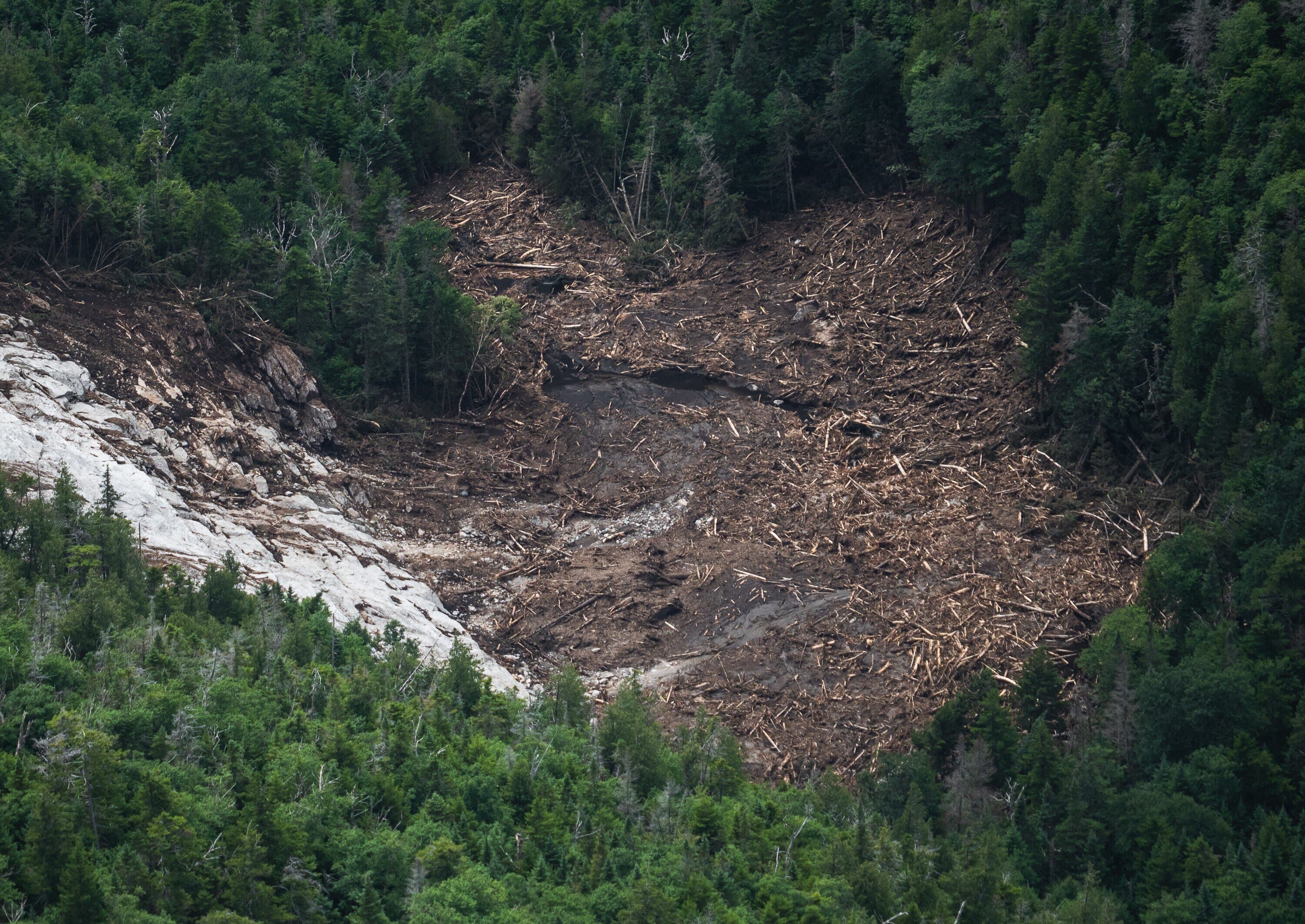
During an intense July 2025 rain event, landslides came off the slopes of Mount Colden and damaged the Avalanche Pass Trail in multiple places. One section upstream from Avalanche Lake was buried across the full width of the pass.
Another slide damaged the Avalanche Pass Ski Trail bridge and widened a stream crossing near the Lake Colden side. This is why the issue cannot be treated as one washed-out step, one muddy patch, or one easy workaround.
Why avoiding it matters
The ground is unstable, and foot traffic spreads the damage.
The damaged area includes mud, wood, organic debris, open voids, and ground that is expected to keep settling. The work plan notes that the debris mass had already settled more than three feet within two months of the slide.
When hikers push through a damaged corridor, they rarely stay in one clean line. People spread out, search for better footing, and create new paths around the worst sections. That makes the impact wider and makes the eventual trail repair harder to protect.
Repair plan
The goal is to rebuild a durable route through a difficult place.
The repair plan covers four main areas: Avalanche Camps, the landslide and debris pile crossing, Caribou Junction, and the Lake Colden marsh reroute and ski-trail transition.
The planned work includes drainage structures, hardened tread, crush-and-cap trail construction, sidehill retention, stone steps, tread risers, span bridges, bog bridging, bridge replacement, limited tree cutting, and helicopter delivery of materials.
The landslide crossing is the largest repair area, roughly 700 feet long. The proposed bridge and tread work is designed to handle unstable ground, moving water, continued settling, winter use, and long-term maintenance.
What to expect
The goal is to reopen by the end of 2026.
The goal is to reopen Avalanche Pass by the end of 2026. Treat that as the target, not a guarantee.
Until DEC posts an official reopening, keep Avalanche Pass out of your route plan. If your hike depends on the pass, rebuild the day around another open corridor before you commit.